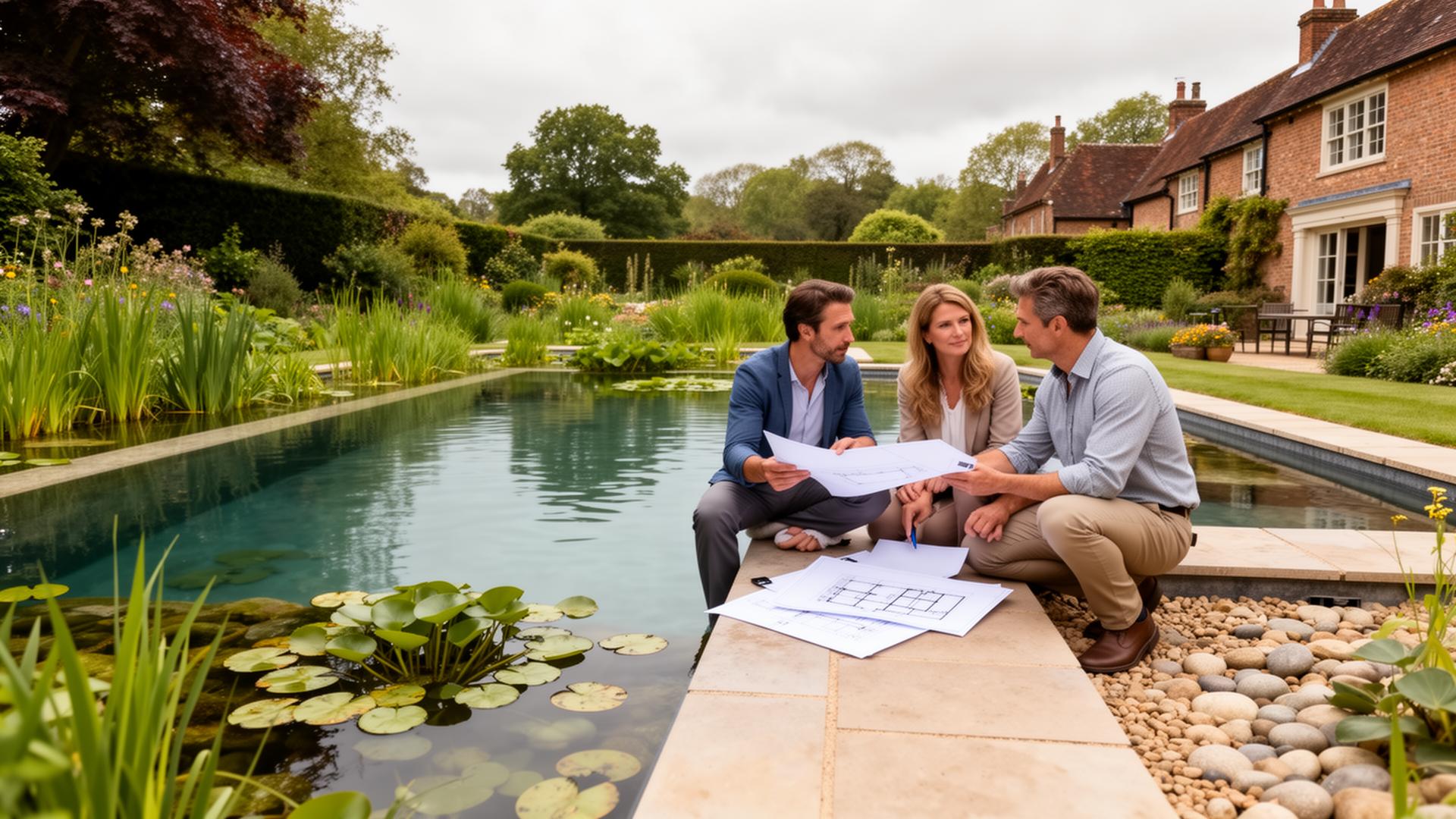
How to Choose a Natural Swimming Pool Designer in the UK
Expert guide to selecting the right natural pool designer. Essential questions to ask, red flags to avoid, and what to expect from consultations.

Jon Edwards
Founder & Lead Designer
- Choose designers with proven biological filtration expertise.
- Review portfolios for projects similar to your site and style.
- A strong process includes clear specs, timelines, and aftercare advice.
Choosing the Right Natural Swimming Pool Designer
Choosing the right natural swimming pool designer is one of the most important decisions you'll make in your garden transformation journey. Unlike traditional pools, natural swimming pools require specialised knowledge of biological filtration, aquatic ecosystems, and sustainable design principles. The wrong choice can lead to costly mistakes, maintenance headaches, or a pool that doesn't function as intended.
This guide walks you through exactly what to look for when selecting a natural pool designer, the questions you must ask during consultations, and the red flags that signal you should walk away.
What Makes Natural Pool Design Different
Natural swimming pools aren't simply conventional pools with plants added. They're complex ecosystems that require expertise in:
- Biological filtration systems: — Understanding how regeneration zones, plant selection, and water circulation work together to maintain crystal-clear water without chemicals
- Hydraulic engineering: — Designing water flow patterns that prevent stagnation whilst maintaining the delicate balance needed for aquatic plants
- UK climate considerations: — Adapting Mediterranean natural pool concepts to British weather patterns, soil conditions, and native plant species
- Planning regulations: — Navigating local authority requirements, which vary significantly across England, Scotland, and Wales
A designer who specialises in traditional chlorinated pools simply won't have this knowledge base. You need someone who lives and breathes natural pool ecosystems.
The Essential Questions to Ask During Your Consultation
1. How many natural swimming pools have you completed in the UK?
Look for a minimum of 10-15 completed projects. Natural pool design has unique challenges in the British climate — seasonal temperature fluctuations, higher rainfall, and different soil compositions than Continental Europe where the concept originated.
What to listen for: Specific project examples in your region. A designer who's only worked in Surrey may not understand the clay soil challenges in Essex or the drainage issues common in the Cotswolds.
Red flag: Vague answers like "we've done several" or pivoting to talk about conventional pools they've built.
2. Can I visit completed projects and speak with previous clients?
Any reputable designer should readily offer site visits to completed pools, ideally ones that have been operational for at least two full seasons. This allows you to see how the biological filtration performs year-round and assess long-term water quality.
What to look for during site visits:
- Water clarity (you should see the bottom clearly in the deep end)
- Plant health in the regeneration zone
- Absence of algae blooms or murky water
- How well the pool integrates aesthetically with the garden
- Honest feedback from homeowners about maintenance requirements
Questions to ask previous clients:
- "What surprised you most about the process?"
- "How does actual maintenance compare to what you were told?"
- "Would you change anything about the design?"
- "How responsive was the designer after completion?"
3. What's your approach to the regeneration zone design?
The regeneration zone is the heart of a natural pool's filtration system. A knowledgeable designer should be able to explain their plant selection strategy, depth zoning, and how they calculate the appropriate regeneration-to-swimming area ratio for your specific site.
What to listen for:
- Discussion of native UK aquatic plants suited to your local conditions
- Understanding of different depth zones (marginal, shallow, deep water plants)
- Explanation of how they prevent regeneration zone plants from encroaching into swimming areas
- Seasonal maintenance requirements for plant health
Red flag: Generic answers about "adding some plants" or relying entirely on imported species without considering UK hardiness.
4. How do you handle the first-year establishment period?
Natural pools don't reach biological equilibrium immediately. The first season requires careful monitoring as the ecosystem establishes itself. Your designer should have a clear plan for:
- Initial water quality testing schedule
- Plant establishment monitoring
- Adjustments to circulation or filtration if needed
- When the pool will be safe for swimming
- What support they provide during this critical period
What to look for: A detailed commissioning plan with specific milestones, not just "it'll be fine after a few months."
5. What happens if something goes wrong after completion?
Natural pools are living systems. Even with perfect design, unexpected issues can arise — an unusually hot summer causing algae blooms, a plant species not thriving, or circulation problems.
Essential questions:
- "What warranty do you offer on construction and equipment?"
- "Do you provide ongoing maintenance support or training?"
- "What's your typical response time if I have concerns about water quality?"
- "Can you provide examples of how you've solved problems in previous projects?"
Red flag: Designers who suggest natural pools are "maintenance-free" or don't have a clear support structure post-completion.
Understanding the Design Process
A professional consultation should follow a structured approach:
Stage 1: Site Assessment (First Visit)
Your designer should spend significant time evaluating:
- Sun exposure patterns: — Natural pools need adequate sunlight for plant photosynthesis but too much can encourage algae
- Existing drainage and water table levels: — Critical for understanding excavation challenges and potential groundwater issues
- Soil composition: — Affects both construction methods and plant selection
- Garden integration: — How the pool will complement existing landscaping and sight lines from your home
- Access for construction: — Machinery access, material delivery, and spoil removal logistics
Time investment: Expect at least 90 minutes for a thorough site assessment. If a designer offers quotes after a 20-minute visit, they're not taking the process seriously.
Stage 2: Concept Design
Following site assessment, you should receive:
- Scaled drawings: showing pool placement, regeneration zones, and circulation paths
- Plant palette recommendations: specific to your site conditions
- 3D visualisations or sketches: — Many designers now offer AI visualisation for quick concepts
- Preliminary budget: broken down by construction, filtration systems, and planting
Timeline: Allow 2-3 weeks for a comprehensive concept design.
Stage 3: Technical Design
Once you approve the concept, detailed technical drawings should include:
- Excavation specifications: with depth profiles and liner requirements
- Hydraulic calculations: for pump sizing and circulation rates
- Filtration system specifications: (skimmers, bottom drains, UV clarification if needed)
- Planting plans: with species, quantities, and depth zoning
- Electrical and plumbing schematics
This is where you see whether your designer truly understands natural pool engineering. Vague drawings or missing technical specifications indicate inexperience.
Stage 4: Construction & Project Management
What to expect:
- Clear timeline: with milestones (excavation, liner installation, planting, commissioning)
- Regular site meetings: — weekly for active construction phases
- Transparent communication: about any challenges or changes
- Photo documentation: of construction stages (particularly useful for future maintenance)
Project duration: Most natural pools take 6-12 weeks from excavation to planting, depending on size and complexity. Be wary of designers promising completion in 2-3 weeks unless it's a very small project.
Red Flags That Should Make You Walk Away
1. Pressure to Sign Immediately
Reputable designers understand this is a significant investment requiring careful consideration. High-pressure sales tactics ("this quote is only valid for 48 hours") suggest they're more focused on closing deals than delivering quality.
2. Significantly Lower Quotes Than Competitors
If one quote is 30-40% cheaper than others, there's a reason. Common cost-cutting measures that compromise quality:
- Undersized regeneration zones (leading to poor water quality)
- Inferior liner materials that degrade quickly
- Inadequate circulation systems
- Skipping essential components like bottom drains or skimmers
- Using inexperienced subcontractors
3. Reluctance to Provide References
Every established designer should have satisfied clients willing to share their experiences. Excuses like "client privacy" or only offering recent projects (less than one season old) are warning signs.
4. Lack of Insurance or Credentials
Verify your designer carries:
- Public liability insurance: (minimum £5 million coverage)—see our insurance guide for details
- Professional indemnity insurance
- Relevant trade memberships: (while there's no specific natural pool certification in the UK, membership in organisations like the British Association of Landscape Industries demonstrates professionalism)
5. Cookie-Cutter Designs
Natural pools should be bespoke solutions tailored to your site, aesthetic preferences, and usage patterns. Designers who show you a standard template and ask you to "pick a size" don't understand the ecological principles that make these pools work.
6. Dismissing Maintenance Requirements
Any designer claiming natural pools require "no maintenance" or "less work than a goldfish pond" is being dishonest. While natural pools eliminate chemical dosing, they require:
- Seasonal plant management (pruning, dividing, replanting)
- Skimmer basket cleaning
- Occasional sludge removal from pool floor
- Winter preparation and spring commissioning
Honest designers clearly explain these requirements during consultation.
What a Quality Natural Pool Design Should Include
To ensure you're getting comprehensive service, your final design package should contain:
Documentation:
- Detailed technical drawings (plan, sections, elevations)
- Full materials specification list
- Plant schedule with species, quantities, and planting depths
- Equipment specifications (pumps, filters, UV systems if applicable)
- Maintenance guidelines and seasonal calendar
Construction Standards:
- High-quality EPDM or reinforced liner with minimum 20-year warranty
- Properly sized circulation system (complete water turnover every 4-6 hours minimum)
- Regeneration zone sized at 50-70% of total pool area for optimal filtration
- Adequate depth zoning (minimum 1.8m for diving, varied depths for plant zones)
- Professional-grade skimmers and bottom drains
Plant Selection:
- Mix of oxygenating plants, marginals, and deep-water species
- UK-hardy species appropriate for your climate zone
- Balanced selection to provide year-round filtration
- Sourced from reputable aquatic nurseries (not garden centre impulse buys)
Questions About Cost and Budget
Natural swimming pools typically cost £40,000-£100,000+ depending on size, complexity, and finishes. Use our cost calculator to get an instant estimate. During your consultation, ensure you understand:
What's included in the quote:
- Excavation and spoil removal
- Liner and underlay
- All filtration equipment and installation
- Planting (both plants and growing medium)
- Decking or coping stones
- Electrical work and certification
- Landscaping reinstatement
What's additional:
- Planning permission applications (if required)
- Heating systems
- Lighting (underwater and landscape)
- Water features or streams
- Ongoing maintenance contracts
Payment structure: Expect staged payments tied to milestones (deposit, excavation complete, liner installed, planting complete, final commissioning). Never pay the full amount upfront.
Making Your Final Decision
After consultations with 3-4 designers, evaluate each based on:
Technical competence (40%):
- Depth of natural pool knowledge
- Quality of technical drawings and specifications
- Understanding of your specific site challenges
- Realistic timelines and maintenance expectations
Experience and portfolio (30%):
- Number of completed UK projects
- Quality of previous work (site visits)
- Client testimonials and references
- Problem-solving examples
Communication and service (20%):
- Responsiveness during consultation phase
- Clarity of explanations
- Post-completion support offerings
- Your gut feeling about working with them for 3+ months
Value for money (10%):
- Not the cheapest, but fair pricing for scope
- Transparent breakdown of costs
- No hidden extras or vague allowances
The Lume Pools Approach to Natural Pool Design
At Lume Pools, we've developed a consultation process refined over dozens of UK natural swimming pool projects. Our approach focuses on three principles:
1. Site-Specific Ecosystem Design
We don't believe in template solutions. Every consultation begins with comprehensive site analysis — soil testing, sun mapping, drainage assessment, and existing ecology evaluation. This allows us to design regeneration zones with plant communities that will thrive in your specific conditions, not just survive.
2. Transparent Process, Realistic Expectations
During your initial consultation, we walk you through exactly what to expect: construction timelines, first-year establishment process, seasonal maintenance requirements, and realistic running costs. We'd rather lose a project than set false expectations.
3. Long-Term Partnership
Our relationship doesn't end when water fills the pool. We provide comprehensive commissioning support during the critical first season, detailed maintenance training, and ongoing advice as your pool ecosystem matures. Many of our clients from 5+ years ago still contact us with questions — and we're always happy to help.
Your Next Steps
Choosing a natural pool designer is about finding someone who combines technical expertise with a genuine passion for creating sustainable, beautiful swimming environments. The consultation phase is your opportunity to assess not just their knowledge, but whether you trust them to deliver on their promises.
Before your first consultation, prepare:
- Photos of your garden from multiple angles
- Measurements of the proposed pool area
- Examples of natural pool designs whose aesthetic you admire
- Your budget range (being upfront saves everyone time)
- List of questions specific to your site or concerns
During consultations, pay attention to:
- How much time the designer spends listening vs. talking
- Whether they ask probing questions about your lifestyle and usage patterns
- Their enthusiasm for problem-solving unique challenges
- How they explain complex concepts — clarity indicates mastery
After consultations:
- Visit at least two completed projects from each shortlisted designer
- Speak with previous clients without the designer present
- Request detailed proposals in writing
- Trust your instincts about who you want on your property for 3 months
---
Ready to Start Your Natural Pool Journey?
At Lume Pools, we offer complimentary initial consultations for homeowners serious about natural swimming pool design. During your consultation, we'll:
- Assess your site's suitability for a natural pool
- Discuss your vision and how we'd approach the design
- Provide realistic budget guidance based on your requirements
- Share examples from our portfolio of UK projects
- Answer all your questions about the design and construction process
The right natural pool designer will transform your garden into a sustainable, beautiful ecosystem that provides decades of chemical-free swimming enjoyment. Take the time to choose wisely — your future self will thank you every time you dive into crystal-clear, naturally filtered water.
Start with Free AI Visualisation →
Or book a consultation to discuss your project directly with Jon Edwards and the Lume design team.
Frequently Asked Questions
What qualifications should a natural pool designer have?
While there's no specific UK certification for natural pools, look for designers with 10+ completed projects, membership in professional bodies like BALI, public liability and professional indemnity insurance, and willing references from previous clients.
How much should a natural pool design consultation cost?
Initial consultations are often free or £100-300. Detailed concept designs typically cost £500-2,000. Full technical design packages range from £2,000-5,000 depending on project complexity.
How long does the natural pool design process take?
Allow 4-8 weeks from initial consultation to approved technical drawings. Site assessment takes 1-2 hours, concept design 2-3 weeks, and detailed technical design another 2-4 weeks.
Should I get multiple quotes for my natural pool?
Yes, aim for 3-4 consultations from different designers. This helps you compare approaches, assess expertise levels, and ensure fair pricing. Avoid choosing purely on price — the cheapest quote often indicates cut corners.
Book a Free Consultation
Speak directly with our design team about your project. We'll assess your site, discuss timelines, and provide realistic budget guidance — completely free.
Ready to start your project?
Book a free consultation with our design team to discuss your garden and budget.
Related Articles
Natural Swimming Pool Cost UK: Complete 2026 Guide
Discover the true cost of a natural swimming pool in the UK. From swimming pond cost factors to installation, we break down every expense for your project.
Natural Swimming Pool Planning Permission UK: Complete Guide
Navigate UK planning regulations for natural swimming pools and swimming ponds. Learn when permission is required and how to ensure smooth approval.
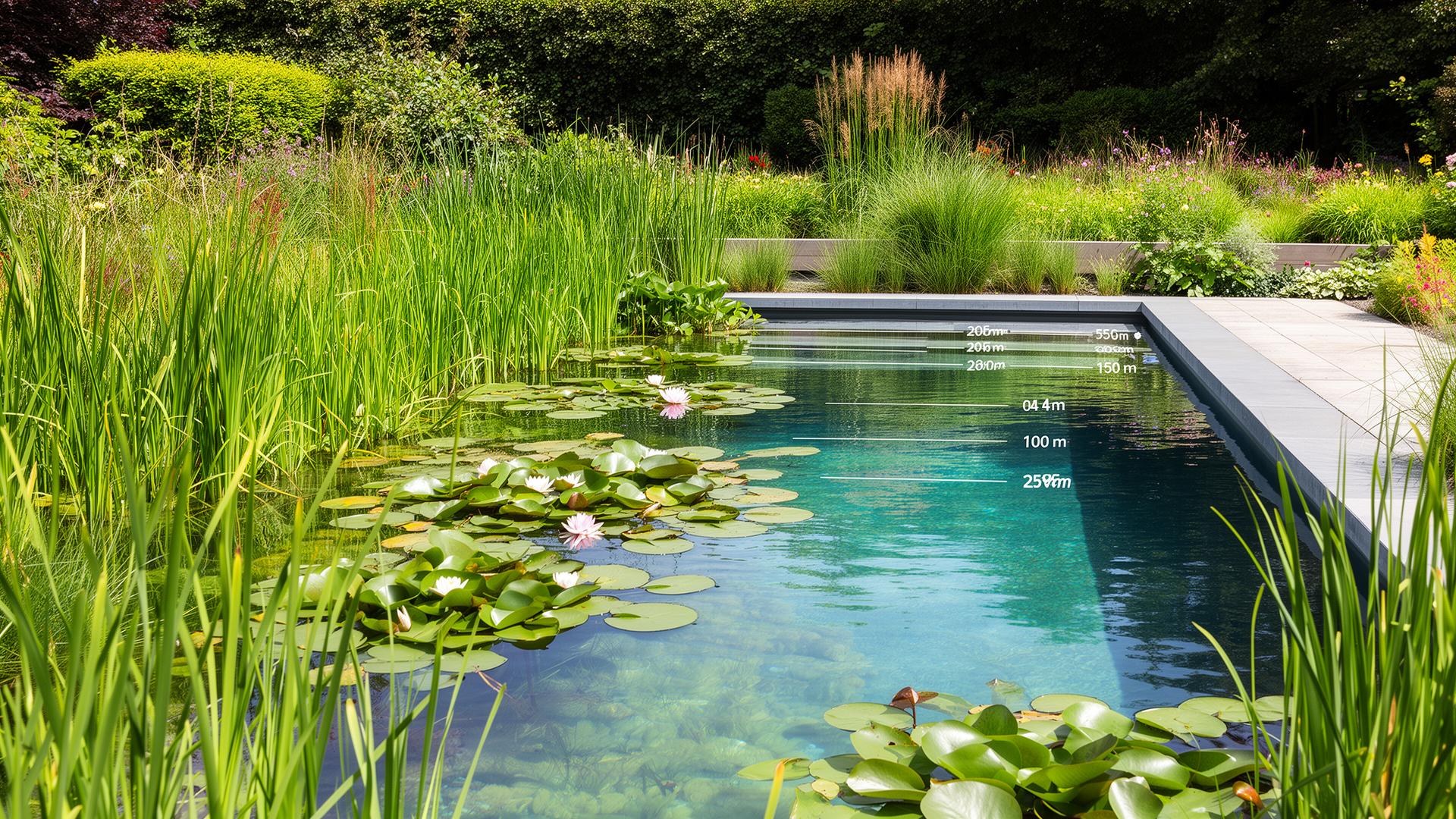
How Big Should Your Natural Pool Regeneration Zone Be? UK Guide
Calculate the perfect regeneration zone size for your natural swimming pool. Learn the ratios, factors, and UK-specific considerations for optimal water quality.