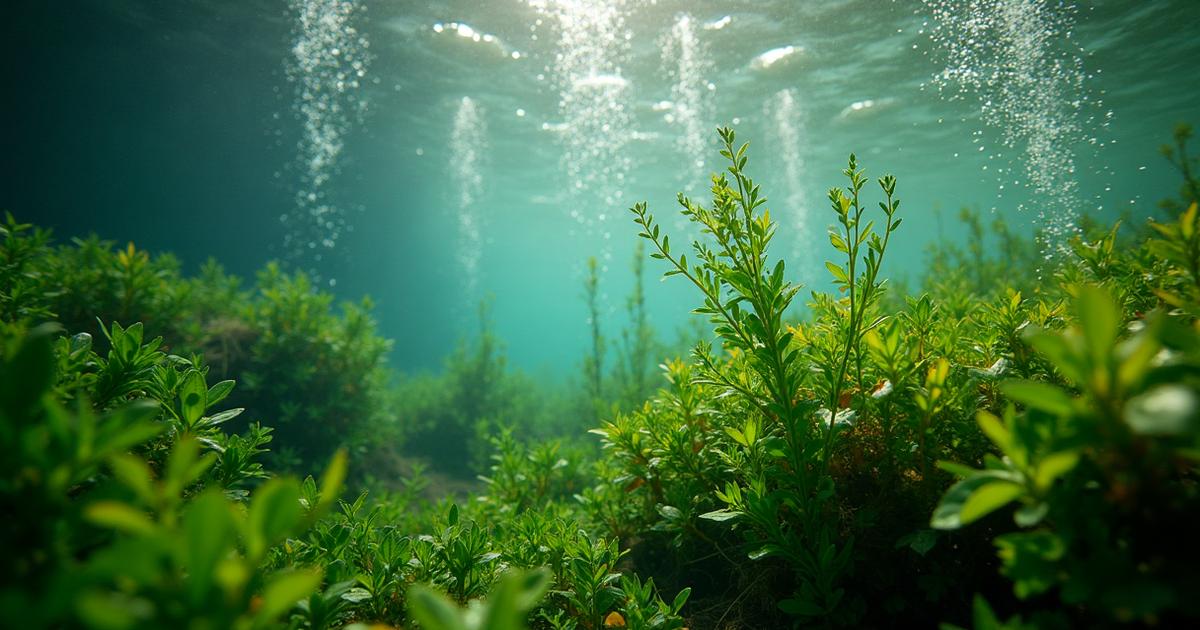
Oxygenating Plants for Swimming Ponds: Why They Matter More Than You Think
Discover how submerged oxygenating plants like hornwort, water crowfoot, and elodea keep your natural swimming pool crystal clear. The invisible heroes of water quality.

Jon Edwards
Founder & Lead Designer
- Oxygenators keep water healthy by outcompeting algae for nutrients.
- Species selection should suit UK climate and water depth.
- Regular thinning keeps growth balanced and effective.
The Invisible Heroes of Your Natural Pool
While water lilies and irises steal the show with their beautiful flowers, it's the humble submerged plants working beneath the surface that truly make or break a natural swimming pool. Use our plant selector tool to find the best oxygenating species for your pool. These plants are the unsung heroes of how natural pools stay clean—and understanding them is key to long-term success.
What Are Oxygenating Plants?
Oxygenating plants—also called submerged or underwater plants—spend their entire lives beneath the water surface. Unlike marginal plants that grow at the water's edge or floating plants like water lilies, these species:
- Photosynthesise entirely underwater
- Release oxygen directly into the water column
- Absorb nutrients through their leaves and stems
- Provide habitat for beneficial bacteria
- Compete directly with algae for resources
In your regeneration zone, these plants work 24/7 to maintain crystal-clear water without chemicals.
The Science of Underwater Oxygen
During daylight hours, oxygenating plants perform photosynthesis underwater, releasing tiny oxygen bubbles directly into the water. This oxygen:
Supports Beneficial Bacteria
The nitrifying bacteria that break down organic matter need oxygen to function. These bacteria are essential to the nitrogen cycle that keeps your water safe. Without adequate oxygen levels, this biological filtration stalls, and water quality suffers.
Prevents Stagnation
Oxygen-rich water smells fresh and clean. Low-oxygen water becomes stagnant and can develop unpleasant odours—a sign that the ecosystem is struggling.
Outcompetes Algae
Oxygenating plants and algae compete for the same nutrients. A healthy population of submerged plants starves algae of the nitrogen and phosphorus it needs to bloom.
Creates Habitat
Dense underwater forests harbour beneficial bacteria and invertebrate wildlife. Small invertebrates, beneficial bacteria, and microscopic organisms colonise oxygenating plants, creating a complex food web that keeps water balanced.
Best Oxygenating Plants for UK Natural Pools
Hornwort (Ceratophyllum demersum)
The workhorse of natural pools
Hornwort is our top recommendation for UK natural swimming pools:
- Growth habit: Free-floating, no roots needed
- Oxygen production: Exceptionally high
- Nutrient absorption: Excellent nitrogen uptake
- Temperature tolerance: Hardy to UK winters
- Maintenance: Trim when it reaches the surface
Hornwort's feathery foliage provides massive surface area for bacterial colonisation. It grows rapidly in summer, competing aggressively with algae for nutrients.
Planting density: 2-3 bunches per square metre of regeneration zone
Water Crowfoot (Ranunculus aquatilis)
Native beauty with white flowers
Water crowfoot is a British native that produces charming white flowers in late spring:
- Growth habit: Rooted, trailing stems
- Oxygen production: High
- Depth range: 20-60cm water depth
- Wildlife value: Flowers attract pollinators
- Seasonal interest: White blooms May-June
The dual-leaf form (feathery underwater leaves, rounded floating leaves) makes water crowfoot highly efficient at different water levels.
Planting density: 1-2 plants per square metre
Rigid Hornwort (Ceratophyllum submersum)
For shallower regeneration zones
A relative of standard hornwort, this species prefers shallower water:
- Growth habit: Free-floating
- Depth range: 15-40cm
- Texture: More delicate than regular hornwort
- UK hardiness: Fully hardy
Ideal for the transition areas between swimming and regeneration zones.
Spiked Water-milfoil (Myriophyllum spicatum)
Feathery foliage, excellent filtration
Water-milfoil creates dense underwater forests that harbour beneficial bacteria:
- Growth habit: Rooted with long trailing stems
- Depth range: 30-150cm
- Oxygen production: Very high
- Visual effect: Beautiful feathery foliage
Note: Can become invasive in natural waterways—only use in enclosed pools.
Curly Pondweed (Potamogeton crispus)
Early season grower
Curly pondweed starts growing earlier in spring than most submerged plants:
- Growth habit: Rooted with wavy leaves
- Seasonal advantage: Active from March
- Depth range: 30-100cm
- Nutrient uptake: Excellent
Valuable for early-season water quality when other plants are still dormant.
Elodea (Elodea canadensis)
Fast-growing and effective
Sometimes called Canadian pondweed, elodea is highly effective but needs management:
- Growth rate: Very fast
- Oxygen production: Excellent
- Maintenance: Regular thinning required
- UK status: Naturalised but can be vigorous
Best for larger pools where its vigour is an advantage rather than a problem.
Why Submerged Plants Fail (And How to Prevent It)
When planning your pool installation, factor in adequate regeneration zone for these essential plants.
Problem 1: Insufficient Light
Submerged plants need light to photosynthesise. If your regeneration zone is shaded or water is murky:
- Clear surface debris regularly
- Avoid overplanting floating plants
- Ensure regeneration zone gets 4+ hours direct sun
- Improve circulation to keep water clear
Problem 2: Wrong Planting Depth
Each species has preferred depth ranges:
- Too shallow: plants dry out when water drops
- Too deep: insufficient light for photosynthesis
Follow species-specific guidance and create varied depth zones.
Problem 3: Fish Predation
Fish eat and uproot submerged plants. This is one reason we don't recommend fish in natural swimming pools. If you have fish, protect plants with mesh guards.
Problem 4: Nutrient Overload
Paradoxically, too many nutrients can harm oxygenating plants. Algae blooms block light, shading out submerged plants. Maintain proper regeneration zone sizing to prevent nutrient buildup.
Calculating Your Oxygenating Plant Needs
For a well-balanced natural swimming pool, we recommend:
| Regeneration Zone Size | Hornwort Bunches | Mixed Species |
|---|---|---|
| 10m² | 20-30 bunches | 5-7 plants |
| 20m² | 40-60 bunches | 10-15 plants |
| 30m² | 60-90 bunches | 15-25 plants |
| 50m²+ | 100+ bunches | 25-40 plants |
These numbers assume a mix of oxygenating plants alongside your marginal and floating plants.
Seasonal Care for Oxygenating Plants
Spring (March-May)
- Remove dead material from winter
- Divide overcrowded plants
- Add new bunches to thin areas
- Monitor early growth
Summer (June-August)
- Thin vigorous growers like hornwort
- Remove any that reach the surface
- Check for pest damage
- Enjoy the clear water they produce
Autumn (September-November)
- Reduce plant mass before winter
- Remove dying foliage
- Leave some vegetation for overwintering wildlife
- Note which species performed best
Winter (December-February)
- Most species become dormant — winter swimmers can still enjoy the pool while plants rest
- Leave alone—they'll return in spring
- Some green growth may persist
- Don't worry about slower oxygen production (lower temperatures mean lower demand)
For detailed monthly guidance, see our seasonal plant care calendar. Consider how plant costs factor into your budget when planning your regeneration zone—more plants mean better filtration.
Don't forget that ongoing plant care is essential to maintain these invisible workers' effectiveness throughout the seasons.
The Difference They Make
Natural pools with healthy oxygenating plant populations consistently outperform those without. In our experience:
- Water clarity: Visibility often exceeds 3 metres
- Algae problems: Reduced by 80%+ compared to plant-free pools
- Maintenance time: Less intervention needed
- Ecosystem stability: More resilient to temperature and weather changes
Signs Your Oxygenating Plants Are Working
Look for these indicators of a healthy submerged plant community:
✅ Tiny oxygen bubbles rising during sunny weather
✅ Crystal-clear water throughout the swimming zone
✅ Diverse invertebrate life among the plants
✅ Steady plant growth without algae dominance
✅ No unpleasant odours from the water
Getting the Balance Right
The goal is establishing oxygenating plants as the dominant submerged vegetation, outcompeting algae before it can take hold. This requires:
1. Adequate initial planting: Don't underplant—start with recommended densities
2. Patience: Allow 2-3 months for establishment
3. Correct regeneration zone sizing: Follow the 30-50% rule
4. Proper circulation: Ensure water moves through planted areas
Our Recommendation
For UK natural swimming pools, we typically specify a combination:
- Primary: Hornwort (60% of submerged plants)
- Secondary: Water crowfoot (20%)
- Accent: Curly pondweed or water-milfoil (20%)
This mix provides year-round oxygen production, visual interest, and resilience against any single species failing.
Your natural pool's water quality depends on these invisible workers. Get the oxygenating plants right, and the rest falls into place.
Frequently Asked Questions
What are the best oxygenating plants for a UK natural swimming pool?
Hornwort (Ceratophyllum demersum) is the most effective oxygenating plant for UK pools, followed by water crowfoot, curly pondweed, and spiked water-milfoil. We recommend a mix with hornwort as the primary species (60%) for optimal water clarity.
How many oxygenating plants do I need for my swimming pond?
Plant 2-3 bunches of hornwort per square metre of regeneration zone, plus 1-2 additional mixed species per square metre. For a 20m² regeneration zone, this means approximately 40-60 hornwort bunches plus 10-15 additional plants.
Why are my oxygenating plants dying?
Common causes include insufficient light (from shading or murky water), wrong planting depth, fish eating the plants, or algae blooms blocking light. Ensure 4+ hours of direct sunlight, correct depth, no fish, and adequate regeneration zone sizing.
Do oxygenating plants work in winter?
Most oxygenating plants become dormant in winter but return in spring. Some green growth may persist. This is normal—lower water temperatures mean reduced oxygen demand, so the ecosystem stays balanced year-round.
Can I have too many oxygenating plants?
Yes, extremely dense growth can restrict water circulation and outcompete other beneficial plants. Thin hornwort and elodea in summer if they reach the surface or block flow. Aim for healthy coverage, not complete domination.
See a Natural Pool in Your Garden
Upload a photo of your garden and our AI will render a natural swimming pool into your space. Free, instant, and no obligation.
Related Articles
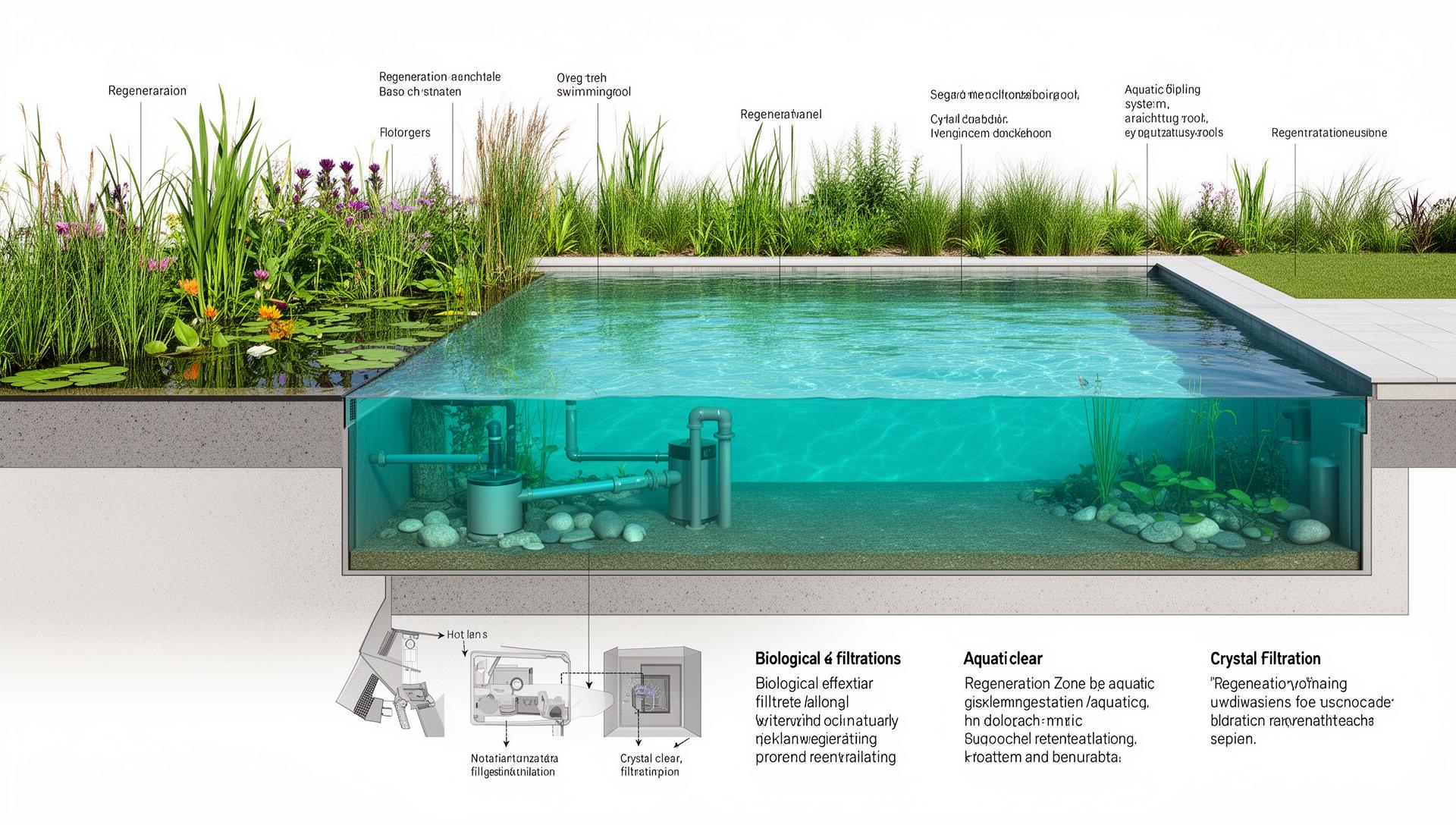
How Natural Swimming Pools Stay Clean Without Chemicals
Learn the science behind natural swimming pools and swimming ponds. Discover how aquatic plants and beneficial bacteria keep your water crystal clear—no chlorine needed.
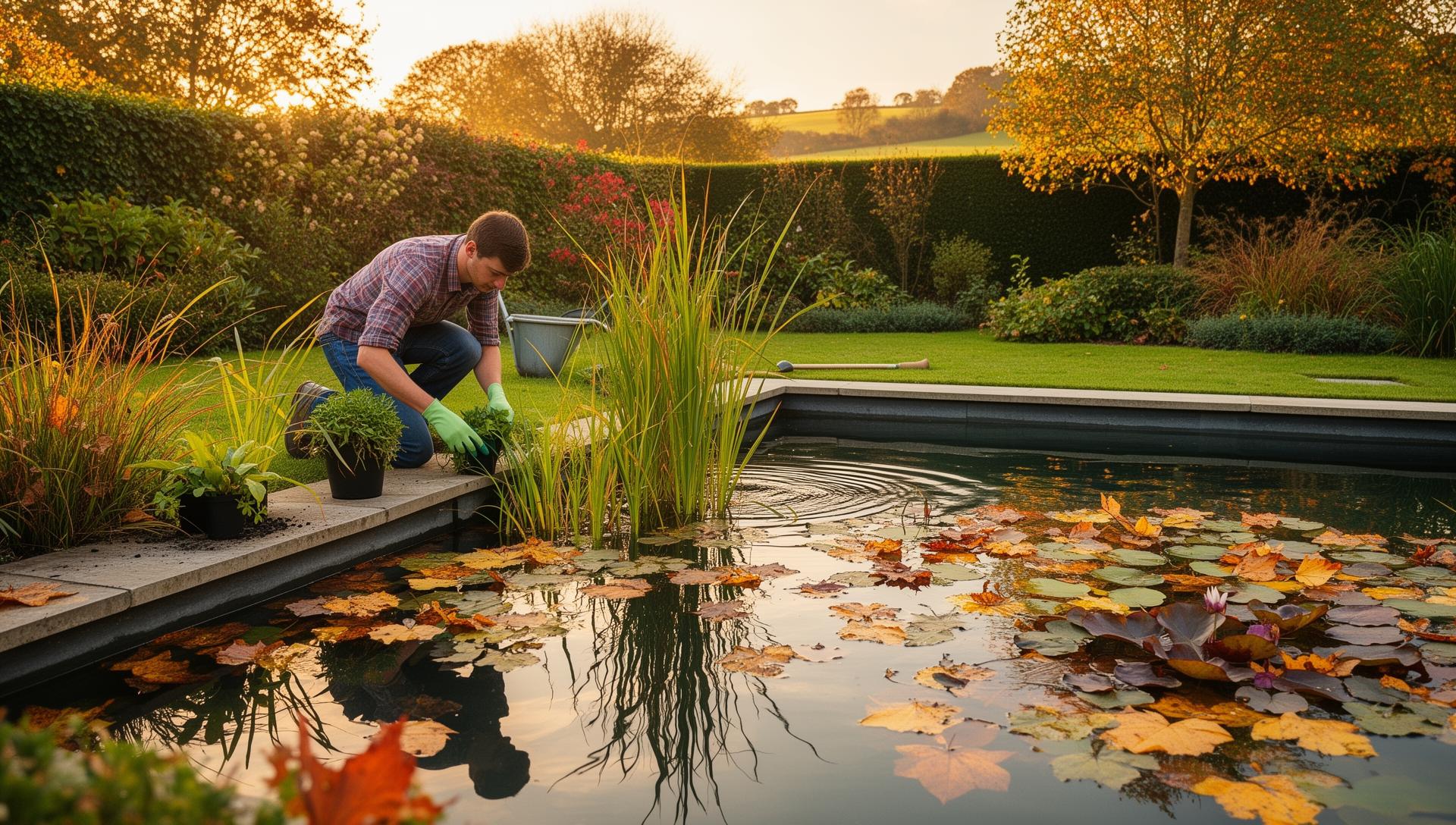
Natural Swimming Pool Maintenance: Complete UK Year-Round Guide
Everything you need to know about maintaining a natural swimming pool or swimming pond through all four UK seasons. Simple tasks for lasting beauty.
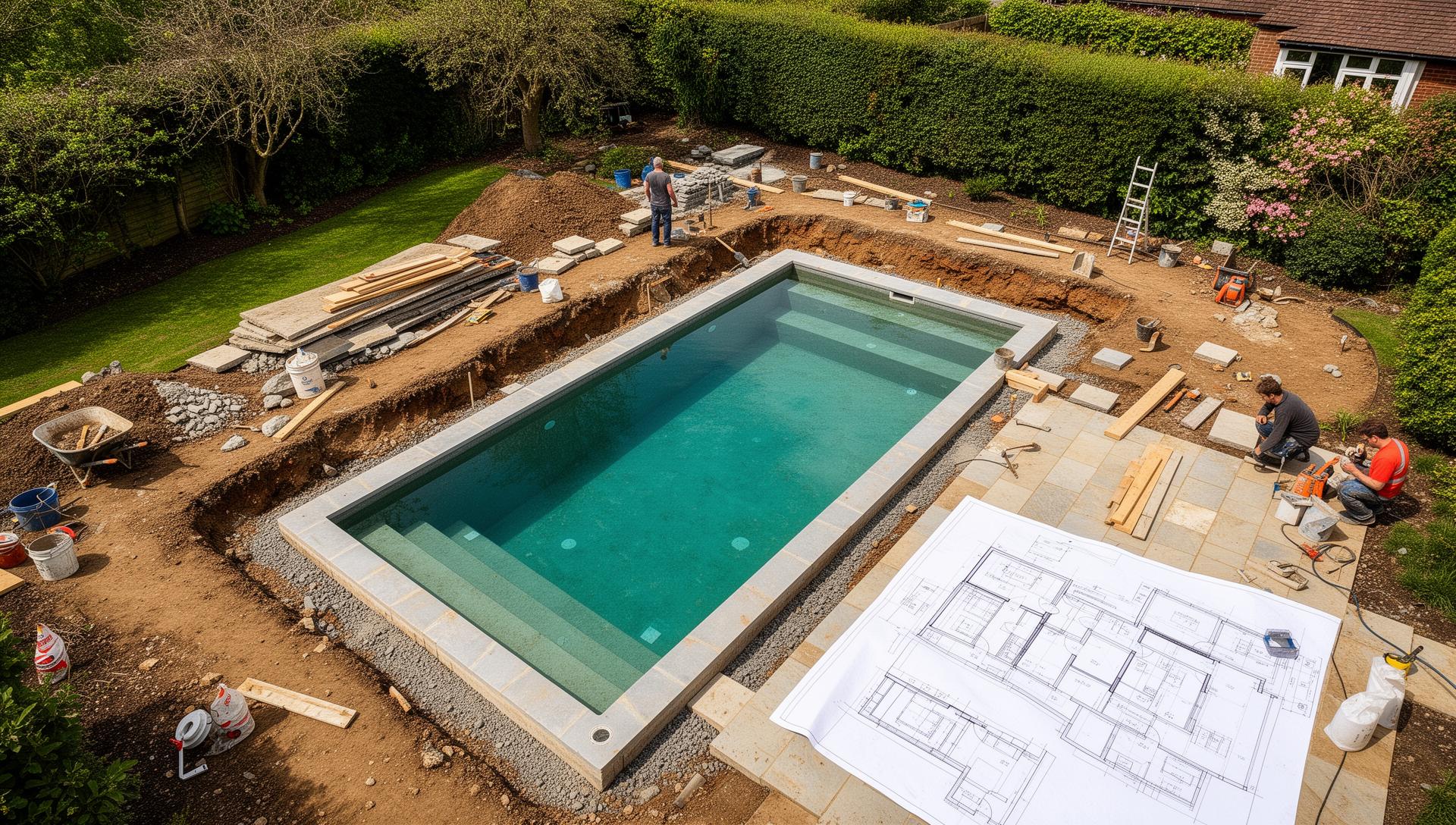
Natural Swimming Pool Planning Permission UK: Complete Guide
Navigate UK planning regulations for natural swimming pools and swimming ponds. Learn when permission is required and how to ensure smooth approval.