Natural Pool Wildlife: What to Expect in Your UK Garden
Discover the wildlife your natural pool attracts: dragonflies, frogs, newts, birds. How to encourage biodiversity, manage unwanted visitors, and balance swimming with nature.

Jon Edwards
Founder & Lead Designer
- Natural pools support birds, insects, amphibians, and beneficial wildlife.
- Plant choice and shallow zones boost biodiversity without harming swimmers.
- Thoughtful design balances habitat value with clear swimming areas.
The Short Answer
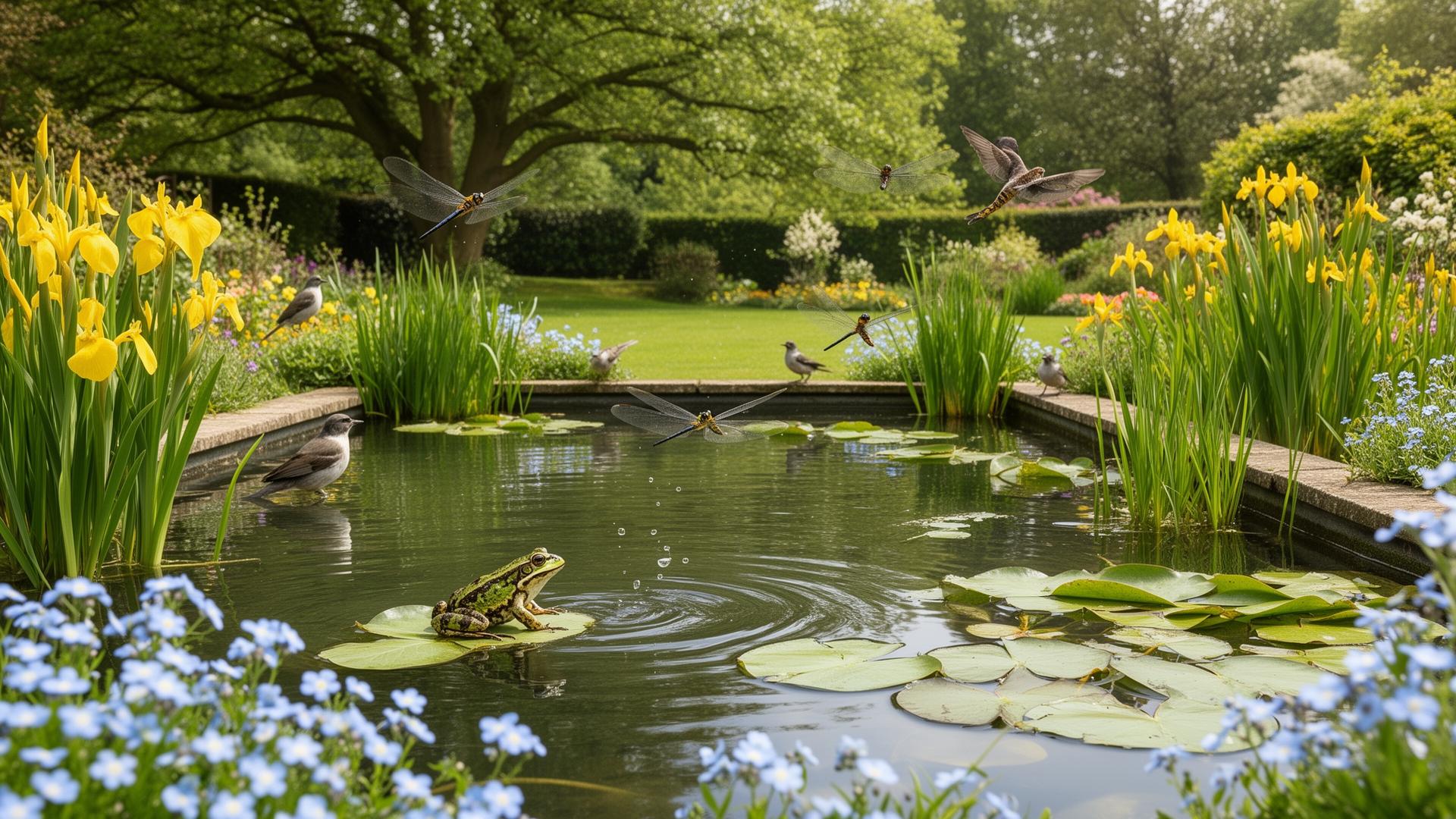
Expect dragonflies, frogs, newts, damselflies, water beetles, pond skaters, and birds. Your natural pool becomes a mini wetland ecosystem that supports dozens of species while keeping swimming water pristine. This biodiversity is an investment that pays dividends through enhanced garden value and year-round natural beauty.
This isn't a bug problem—it's a biodiversity success story. The plants and bacteria that clean your water also create perfect habitat for beneficial wildlife. With smart design and minimal management, swimming and wildlife coexist beautifully.
Why Wildlife Thrives in Natural Pools
Natural pools recreate the conditions of UK ponds and lakes: chemical-free water, abundant plants, shallow margins, and stable temperatures. This attracts species that have declined dramatically across Britain due to habitat loss. Oxygenating plants provide essential habitat for invertebrate larvae and beneficial bacteria. These beneficial insects and invertebrates are essential to the nitrogen cycle that keeps water clean.
Biodiversity Benefits
For your pool:
- Natural predators control mosquito larvae
- Wildlife enhances the filtration ecosystem
- Increased resilience to environmental changes
For your garden:
- Pollinators boost nearby plants
- Food chain supports birds and mammals
- Aesthetic beauty (dragonfly iridescence, frog chorus)
For the environment:
- Local contribution to UK biodiversity targets
- Carbon sequestration through plants
- Microplastic-free habitat
A well-designed natural pool supports 20-50 species within the first year, growing to 100+ over time.
Species You'll Attract
Here's what to expect, organised by group:
Insects (Most Noticeable, Most Beneficial)
Dragonflies & Damselflies (top attraction):
- Species: Common blue, emperor dragonfly, azure damselfly
- Lifecycle: Eggs in water → larvae hunt mosquito larvae → adults patrol territory
- Benefit: Apex insect predators, control flies/midges
- Peak season: May-September
- Numbers: 10-50 individuals in peak summer
Water Beetles & Bugs:
- Species: Diving beetles, whirligig beetles, pond skaters
- Benefit: Eat algae, mosquito larvae, organic debris
- Always present, especially at night
Mayflies & Stoneflies (emerging adults):
- Short-lived adults signal healthy water quality
Amphibians (Garden Highlights)
Frogs:
- Common frog (Rana temporaria)
- Arrive March-April for breeding
- Spawn in shallow margins → tadpoles graze algae
- Adults hunt insects around pool edge
- Peak activity: Spring chorus, summer tadpoles
Toads:
- Common toad (Bufo bufo)
- Less frequent but larger spawn clumps
- Excellent mosquito control
Newts (protected species):
- Smooth newt, palmate newt
- Great crested newt (priority species—see legal section)
- Night-time hunters, prefer deeper water
- Breeding: March-May
Birds (Visual Spectacle)
Waterfowl (visitors):
- Moorhen, coot, mallard (usually fly-over)
- Dabbling ducks may visit but rarely stay
Kingfishers (occasional thrill):
- Perch on branches, hunt small fish/insects
- Rare but unforgettable visitors
Songbirds:
- Robins, blackbirds drink/bathe daily
- Warblers nest in marginal plants
Herons (predators):
- Grey heron may visit for frogs/fish
- Usually solitary, dawn/dusk hunters
Fish (Optional Addition)
We don't recommend fish in swimming pools (compete with filtration), but if you want a wildlife pond alongside:
- Sticklebacks, minnows
- Native species only
Mammals (Rare Visitors)
- Bats: Drink at surface at night
- Otters: Very rare, only in rural areas
- Water voles: Marginal habitat, protected
Seasonal Wildlife Patterns
Your pool's wildlife calendar:
Spring (March-May): Breeding Frenzy
- Frog/toad spawn
- Newt courtship dances
- First dragonfly emergence
- Birds nesting nearby
Summer (June-August): Peak Diversity
- Dragonfly patrols
- Tadpoles transform
- Maximum insect activity
- Birds raise young
Autumn (September-November): Transition
- Migratory dragonflies
- Amphibians seek hibernation spots
- Fewer insects, more birds
Winter (December-February): Dormancy
- Aquatic life below ice — winter swimmers can coexist with hibernating wildlife
- Birds drink/bathe
- Occasional mammal visitors
Each season brings different highlights, keeping your pool interesting year-round. For winter swimming considerations, the ecosystem continues working beneath the surface.
How to Encourage Biodiversity
Design and management choices that maximise wildlife. A balanced maintenance approach ensures wildlife can thrive without affecting your swimming experience. Explore design options and styles that prioritise biodiversity while maintaining excellent swimming conditions:
During Construction
- Marginal shelves: Shallow (10-30cm) planting zones around edges
- Varied depths: 20cm shallows → 1.5m deep zones
- Native plants: UK aquatic species (see best aquatic plants guide)
- No steep sides: Wildlife need gradual access
- Log ramps: For amphibians to climb out
Ongoing Management
- Leave some algae: Natural food source (skim excess only)
- Floating plants: Water lilies provide cover
- Don't over-clean: Let leaf litter decompose naturally
- Bird baths nearby: Reduce pool visits from thirsty birds
- Hibernation sites: Log piles, rockeries around pool
- Night lighting: Minimal—wildlife prefers dark
Pro tip: The first 2 years see rapid biodiversity growth as the ecosystem establishes. Patience pays off.
Managing Unwanted Wildlife
Most wildlife enhances your pool. Here's how to handle the few problem species:
Ducks & Geese
Problem: Messy, eat plants, foul water
Solutions:
- Netting over pool (removable in summer)
- Motion-activated sprinklers
- Reflective tape/balloons
- Plant duck-resistant species (e.g., water soldier)
- Fake predator decoys (heron scarer)
Prevention: No shallow easy-access areas
Herons
Problem: Eat frogs/newts/fish
Solutions:
- Netting (fine mesh)
- Motion lights/sprinklers
- Fishing line grid across surface
- Dense marginal planting (hides prey)
Cats/Dogs/Foxes
Problem: Hunt amphibians, foul water
Solutions:
- Motion sprinklers
- Ultrasonic repellents
- Fencing around pool area
- Wildlife-friendly planting deters predators
Mosquitoes (Myth Busted)
Dragonfly larvae, frogs, and fish eat mosquito larvae. Chemical-free water + predators = mosquito-free pool.
Balancing Swimming and Wildlife
Swimming and wildlife coexist seamlessly with these principles:
Design Separation
- Swimming zone: Deeper (1.2m+), steeper sides
- Regeneration zone: Shallow, planted margins (non-swimming)
Daily Coexistence
- Wildlife active dawn/dusk
- Humans swim daytime
- Natural predators keep populations balanced
Swimming Impact
- Minimal disturbance to ecosystem
- Amphibians/insects avoid busy swimming zone
- Water quality improves with use (oxygenation)
Reality check: You'll see more wildlife around the pool than in your swimming area. The regeneration zone becomes their primary habitat.
Legal Protections: What You Need to Know
UK wildlife laws protect certain species using your pool:
Great Crested Newts (Priority Species)
Protection: Fully protected under Wildlife & Countryside Act 1981
Signs: Wavy crests on tail, orange belly spots
If found:
- Stop work immediately
- Contact ecologist
- Apply for licence if disturbing habitat
Prevention: Pre-construction ecological surveys are standard practice and identify protected species before work begins
Other Protected Species
- Bats: Roost protection (unlikely in new pool)
- Water voles: Habitat protection
- Otters: Rare but fully protected
Your responsibilities:
- No intentional harm
- No blocking access to hibernation sites
- Report great crested newts to authorities
Good news: Proper design avoids issues. We conduct surveys as standard.
Photography Opportunities
Your natural pool offers stunning photography:
- Dragonflies: Perch on plants, iridescent wings in sunlight
- Frogs: Spawn clumps, tadpole swarms
- Newts: Courtship dances at dusk
- Birds: Drinking/bathing action shots
- Insects: Macro shots of water beetles, pond skaters
Tips:
- Early morning/dusk for activity
- Use macro lens for insects
- Polarising filter reduces water glare
- Patience—wildlife comes to you
Many clients share their pool wildlife photos on Instagram—tag us!
Real UK Natural Pool Wildlife Stories
Case Study 1: Oxfordshire Family Pool
Year 1: 12 frog spawn clumps, first emperor dragonfly
Year 2: Smooth newts established, azure damselflies
Year 3: Breeding moorhen pair, 20+ dragonfly species
Owner: "It's like having a nature reserve. The kids love watching tadpoles transform."
Case Study 2: Surrey Wildlife Haven
Design: Extra marginal planting, log hibernacula
Species: Great crested newts (pre-surveyed), palmate newts, diving beetles
Owner: "Ecologist confirmed thriving habitat. Swimming area stays pristine."
Case Study 3: London Compact Pool
Space: 35m² total
Species: Common frogs, pond skaters, damselflies
Owner: "Even in small garden, dragonflies patrol daily. No mosquitoes ever."
Embrace the Full Ecosystem
Your natural pool's greatest feature might be the wildlife it attracts. From dragonfly patrols to frog choruses, it transforms your garden into a living, breathing habitat while delivering pristine swimming water. Use our plant selector to choose wildlife-friendly native species for your regeneration zone.
This isn't a side effect—it's the design intention. Chemical-free filtration creates wildlife habitat as a natural consequence. Not sure if your garden suits a natural pool? Try our garden suitability checker for an instant assessment.
Ready to create your own wildlife haven? Upload a photo of your garden for a free AI assessment and personalised design options.
Frequently Asked Questions
Will wildlife make my pool unsafe for swimming?
No. Beneficial insects and amphibians enhance water quality. Natural predators control pests naturally. The wildlife in a natural pool is an indicator of a healthy, clean ecosystem.
How do I stop ducks from living in my pool?
Use netting, motion-activated sprinklers, reflective deterrents, or fake predator decoys. Design with steeper swimming sides and minimal shallows to discourage duck access.
What if great crested newts appear?
Great crested newts are protected under UK law. Stop any work immediately and contact an ecologist. Pre-construction surveys prevent surprises and are standard practice for responsible builders.
Do I need to add fish for wildlife?
No. Insects and amphibians thrive without fish. In fact, fish compete with filtration plants for nutrients and can eat beneficial invertebrates. We don't recommend fish in swimming pools.
When does wildlife activity peak?
Spring breeding (March-May) and summer insects (June-August) are the busiest periods. Winter is quieter but birds remain active at the water's edge.
Can too much wildlife affect water quality?
No. The natural pool system is designed for this. Excess nutrients from wildlife feed the plants, which in turn filter the water. It's a self-balancing ecosystem.
Is wildlife the same every year?
Populations vary with weather and seasonal conditions, but overall diversity typically increases each year as the habitat matures and becomes more established.
Try Our Free AI Design Tool
Upload a photo of your garden and receive a personalised AI render showing how a natural pool could look in your space. Free and instant.
Related Articles
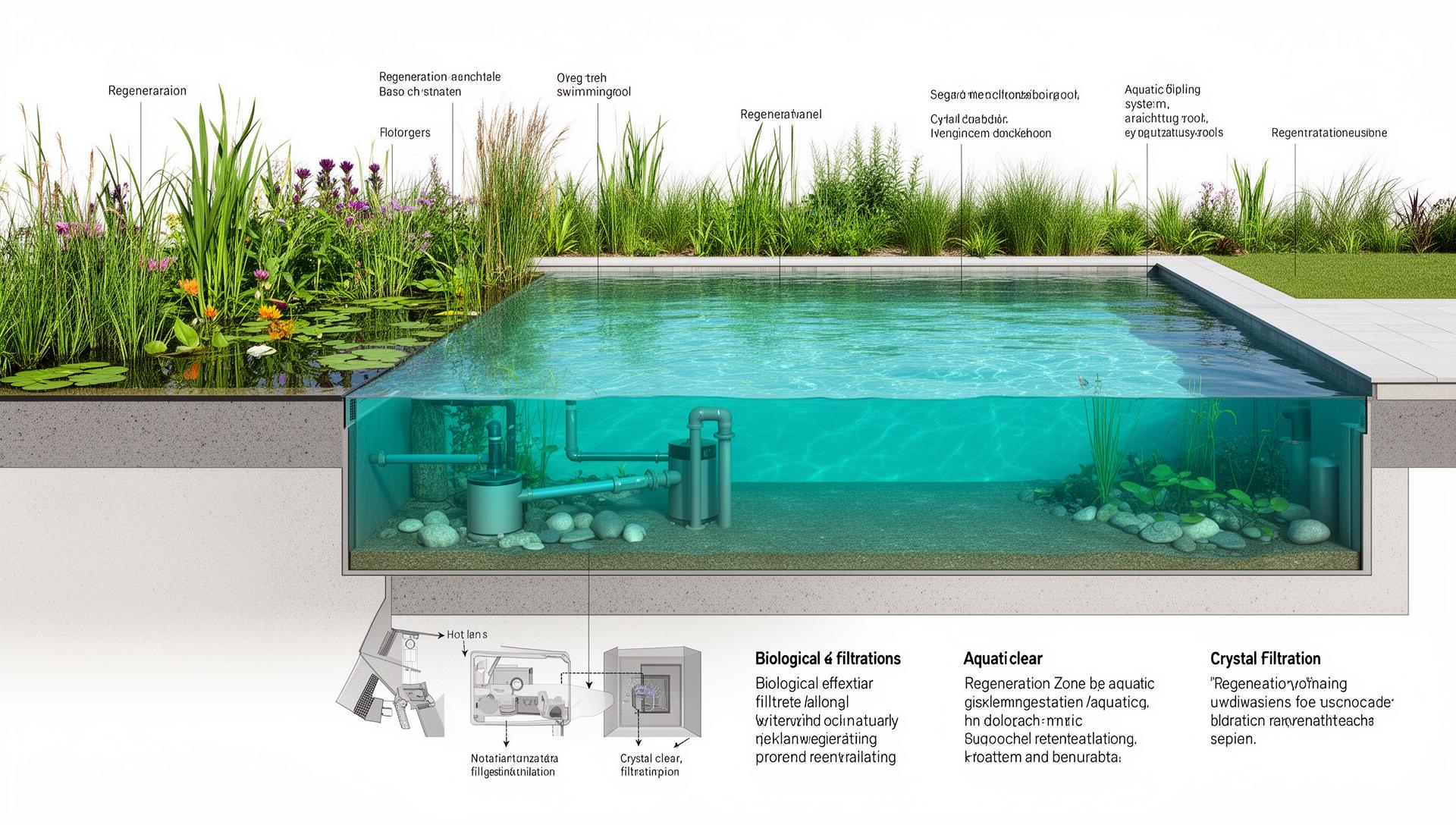
How Natural Swimming Pools Stay Clean Without Chemicals
Learn the science behind natural swimming pools and swimming ponds. Discover how aquatic plants and beneficial bacteria keep your water crystal clear—no chlorine needed.
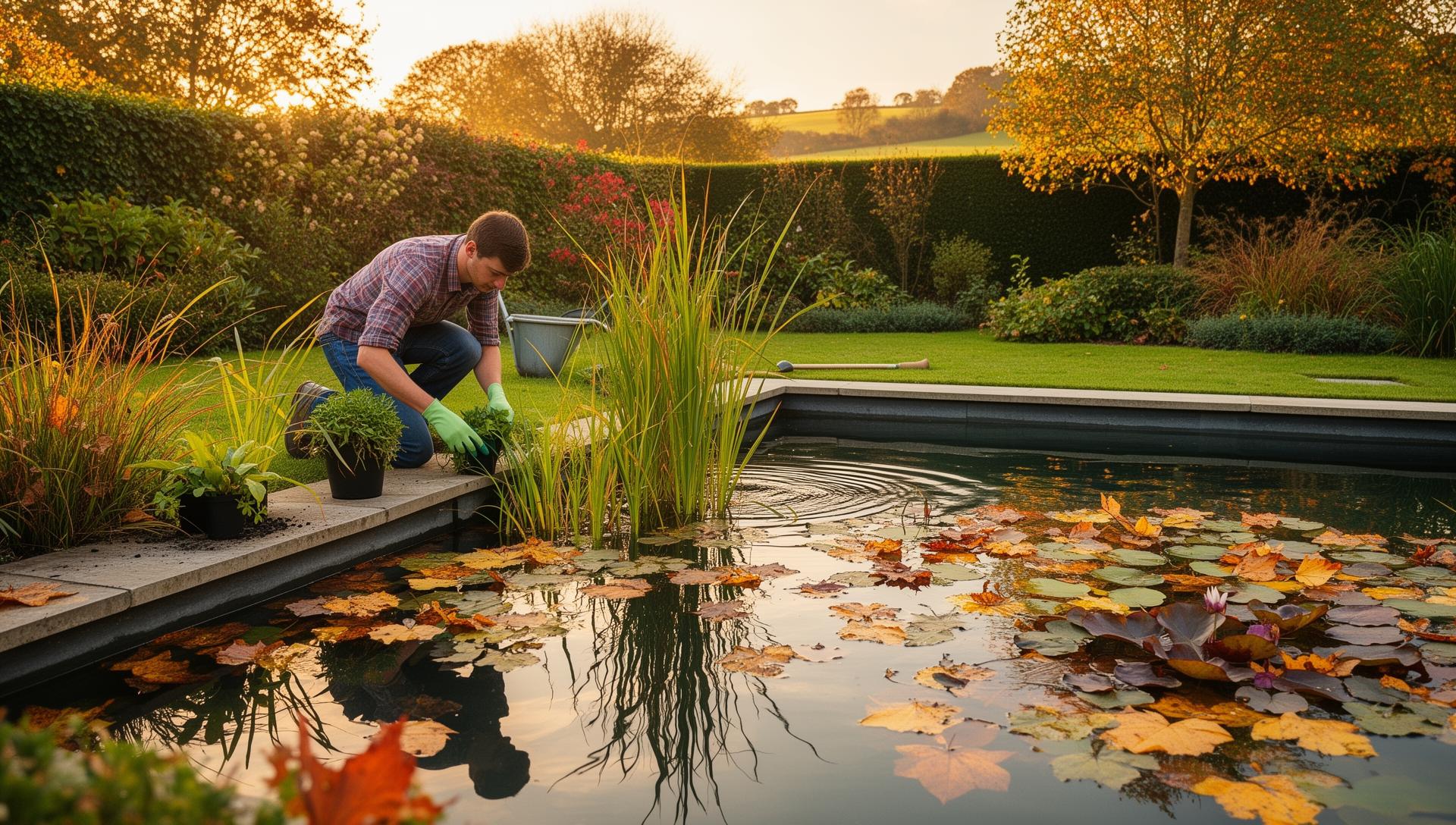
Natural Swimming Pool Maintenance: Complete UK Year-Round Guide
Everything you need to know about maintaining a natural swimming pool or swimming pond through all four UK seasons. Simple tasks for lasting beauty.
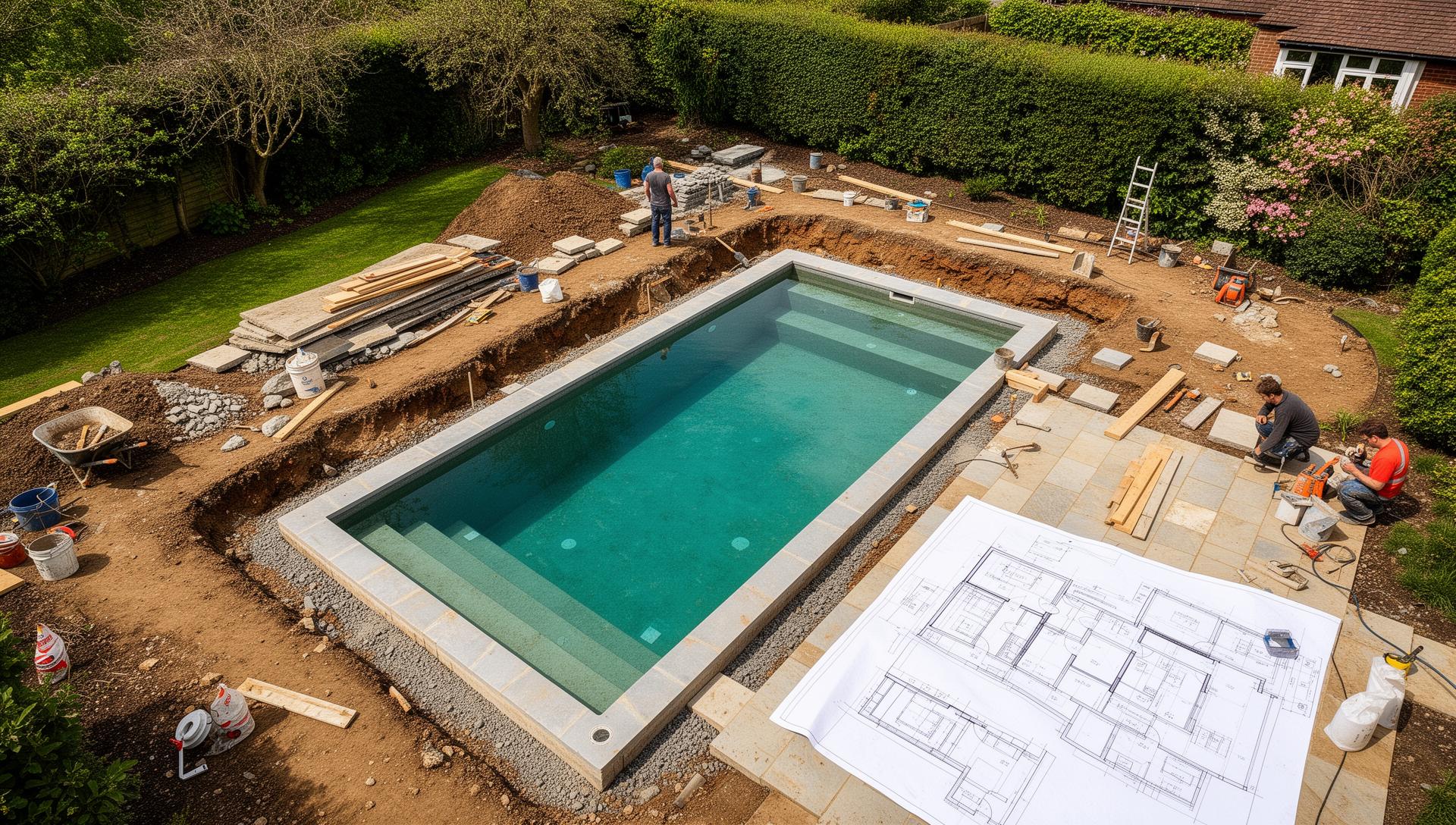
Natural Swimming Pool Planning Permission UK: Complete Guide
Navigate UK planning regulations for natural swimming pools and swimming ponds. Learn when permission is required and how to ensure smooth approval.