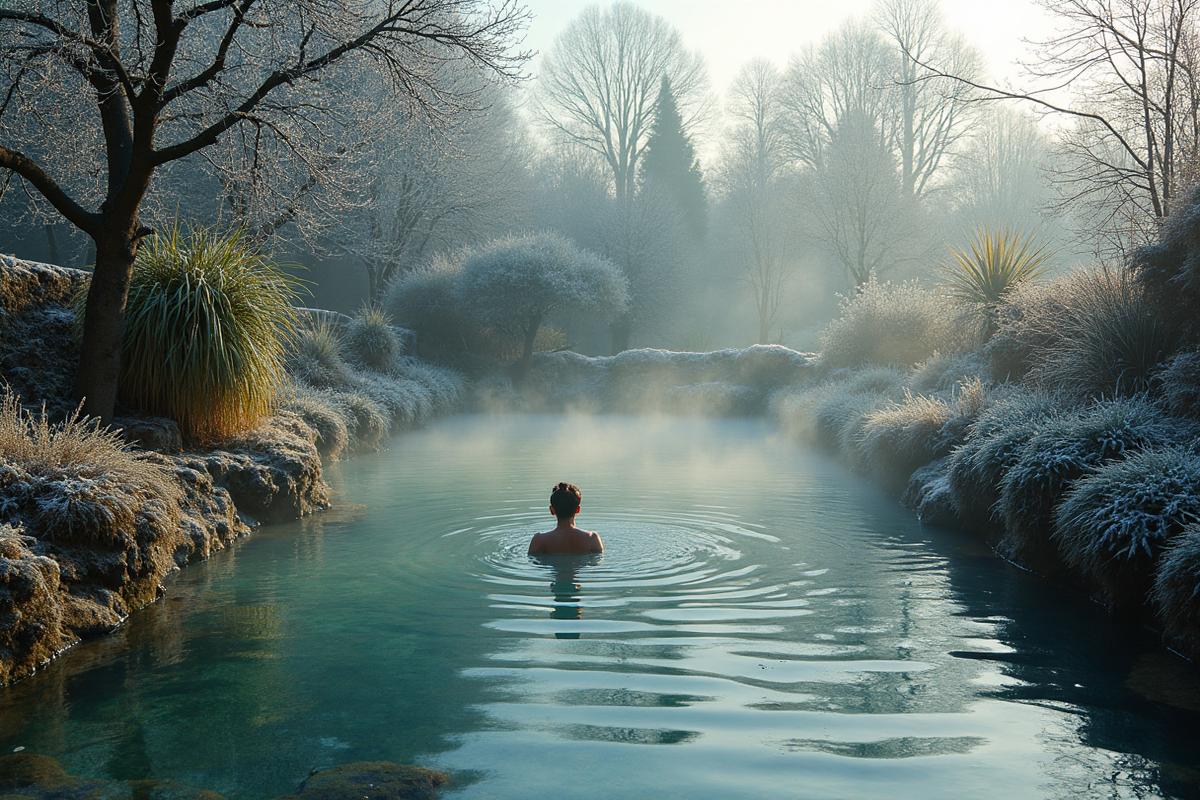
Can You Swim in a Natural Pool in Winter? UK Guide
Discover the benefits, practicalities, and safety considerations of winter swimming in your natural pool. From temperature management to heating options and the UK's cold water swimming culture.

Jon Edwards
Founder & Lead Designer
- Winter swimming is possible with the right safety and preparation.
- Maintenance shifts to debris control, water balance, and equipment care.
- Heating and covers can extend comfort into colder months.
The Short Answer
Yes, you can absolutely swim in a natural pool during winter in the UK. With proper preparation and realistic expectations about water temperature, winter swimming offers remarkable health benefits and transforms your pool into a year-round feature rather than a seasonal luxury. Use our swimming season calculator to see typical water temperatures and swimming days for your UK region.
Many natural pool owners use their pools throughout winter, either unheated (typically 4-8°C) for cold water swimming, or heated (15-20°C) for comfortable year-round use.
The question isn't whether you can swim in winter, but whether you want to and how to make it safe and enjoyable.
Winter Swimming Benefits
Cold water swimming has exploded in popularity across the UK, and for good reason. The benefits are both immediate and cumulative:
Physical Health Benefits
For a complete exploration of swimming health benefits, see our comprehensive health benefits guide.
Improved circulation: Cold water forces blood to your vital organs, strengthening cardiovascular function over time.
Enhanced immune system: Regular cold water exposure increases white blood cell count, helping your body fight illness more effectively.
Reduced inflammation: Cold water acts as natural anti-inflammatory therapy, beneficial for arthritis, muscle recovery, and chronic pain conditions.
Calorie burning: Your body works harder to maintain core temperature, burning significantly more calories than summer swimming.
Better sleep: The endorphin release and physical exertion lead to deeper, more restorative sleep.
Mental Health Benefits
Endorphin rush: Cold water triggers immediate endorphin release, creating a natural high that lasts hours.
Stress reduction: The focus required for cold water immersion acts as moving meditation, clearing mental clutter.
Improved mood: Regular winter swimmers report significant reductions in depression and anxiety symptoms.
Enhanced resilience: Voluntary discomfort builds mental toughness that transfers to other life challenges.
Achievement and routine: Daily or weekly winter swims create structure and accomplishment during darker months.
The UK Wild Swimming Connection
Britain has a thriving wild swimming culture, with communities gathering at lakes, rivers, and coastlines throughout winter. Your pool—whether a modest installation within permitted development limits or a larger scheme—can become a year-round feature. Your natural pool offers the same cold water benefits with several advantages:
- Controlled environment (no currents, tides, or hidden hazards)
- Private and accessible (no travel required—even small garden pools work)
- Chemical-free like wild swimming spots
- Consistent water quality
- Safe entry and exit points
- Pool lighting for evening winter swims
You're part of a growing movement of people discovering that winter swimming isn't madness—it's medicine.
Water Temperature: What to Expect
Understanding natural pool temperatures throughout the year helps set realistic expectations:
Seasonal Temperature Ranges (UK)
| Season | Temperature Range | Notes |
|---|---|---|
| Winter (Dec-Feb) | 4-8°C unheated | Coldest in January-February (4-6°C) |
| Spring (Mar-May) | 8-15°C unheated | Gradual warming as daylight increases |
| Summer (Jun-Aug) | 18-24°C unheated | Peak temperatures July-August |
| Autumn (Sep-Nov) | 15-10°C unheated | Gradual cooling mirrors spring |
Temperature Perception
Your perception of "cold" changes dramatically with regular exposure:
- First winter swim: 8°C feels shockingly cold, breath-taking, almost painful
- After 4-6 weeks: 8°C feels bracing but manageable, even enjoyable
- After 3 months: 8°C feels normal, 12°C feels warm
This adaptation is real and physiological. Your body becomes more efficient at maintaining core temperature, and your mind learns the cold is temporary and safe.
Heating Options for Winter Swimming
If 4-8°C sounds too extreme, heating extends comfortable swimming throughout winter. See our detailed heating guide for full cost analysis.
Air Source Heat Pump
Best for: Year-round comfortable swimming
| Aspect | Details |
|---|---|
| Temperature | Maintain 15-20°C through winter |
| Cost | £8,000-£15,000 installed |
| Running cost | £150-£300/month (winter) |
| Efficiency | 300-400% |
Pros: Efficient in UK climate, reliable, maintains comfortable temperature
Cons: Higher upfront cost, ongoing energy costs
Ground Source Heat Pump
Best for: Very efficient long-term heating
| Aspect | Details |
|---|---|
| Temperature | Maintain 15-20°C year-round |
| Cost | £15,000-£25,000 installed |
| Running cost | £100-£200/month (winter) |
| Efficiency | 400-500% |
Pros: Most efficient option, lower running costs
Cons: Highest upfront cost, requires garden space for ground loop
Solar Heating
Best for: Extending season into autumn/spring
| Aspect | Details |
|---|---|
| Temperature | Adds 3-5°C to ambient temperature |
| Cost | £3,000-£6,000 installed |
| Running cost | Free (sun-powered) |
Pros: Zero running costs, environmentally friendly
Cons: Limited winter effectiveness in UK, weather-dependent
Pool Cover
A well-fitted cover insulates the surface and retains 3-5°C overnight. Essential for reducing heating costs by 30-50%.
Realistic Heating Strategy
Most year-round swimmers choose one of these approaches:
1. Unheated winter swimming (cold water benefits, zero running costs)
2. Moderate heating (12-15°C, comfortable but not tropical, £100-150/month)
3. Full heating (18-20°C, like summer swimming, £200-300/month)
4. Hybrid (unheated most of winter, heat for special occasions)
Ice Prevention and Management
Natural pools can ice over during sustained freezing periods. Here's how to manage it:
Will My Natural Pool Freeze Solid?
No. Even without intervention, natural pools rarely freeze more than 5-10cm deep at the surface. The ecosystem below remains active, and the water beneath the ice stays liquid.
Prevention Strategies
Keep water moving: Running your circulation pump continuously during freezing weather prevents ice formation. Moving water doesn't freeze easily. Cost: £2-4/day in electricity.
Use a pool cover: A well-fitted cover insulates the surface and prevents ice formation down to -3°C.
Install a de-icer: Floating electric de-icers maintain a small ice-free area for gas exchange. Cost: £80-150 for unit, £1-2/day running.
Heat the pool: Even minimal heating (8-10°C) prevents ice formation entirely.
If Your Pool Does Ice Over
Don't panic. It's not a disaster:
Do:
- Turn off pumps to prevent damage
- Let it melt naturally if forecast improves within 48 hours
- Create a small hole for gas exchange if ice persists beyond 2-3 days
- Check equipment once ice clears
Don't:
- Smash ice aggressively (can damage liner)
- Drain the pool (ecosystem will suffer)
- Ignore it for weeks (gas exchange matters)
Most UK winters bring only brief freezing periods. Your pool will be fine.
Winter Maintenance Differences
Winter maintenance is actually simpler than summer, but with different priorities. During winter, your pool's nitrogen cycle slows but continues working beneath the surface.
Weekly Tasks (15-20 minutes)
- Debris removal: Less than summer (no leaves after autumn), but still skim weekly
- Equipment check: Ensure pumps running correctly, especially during freezing weather
- Water level: Top up if needed (evaporation much lower in winter)
- Visual inspection: Check for ice formation, equipment issues, wildlife activity
Monthly Tasks (30-45 minutes)
- Plant management: Remove any dead growth, check for storm damage
- Water quality: Test pH and nutrient levels (less critical than summer)
- Equipment maintenance: Check filters, clean if needed
- Wildlife check: Ensure frogs and newts have hibernation spots
What Happens Under the Surface
Oxygenating plants become dormant but their root structures remain alive, maintaining habitat for beneficial bacteria. Some wildlife may overwinter, including dormant amphibians.
What You Don't Do in Winter
- No algae management: Cold water prevents algae growth
- No intensive plant care: Plants are dormant
- No chemical adjustments: System is stable
- No frequent cleaning: Much less debris
Winter maintenance is lighter overall. Your pool essentially hibernates while remaining swimmable.
Safety Considerations for Winter Swimming
Cold water swimming is safe for most people with proper precautions:
Before You Start
Health check: Consult your GP if you have heart conditions, high blood pressure, respiratory issues, Raynaud's disease, or are pregnant.
Acclimatisation: Start in autumn as water cools naturally. Jumping straight into 6°C water in January is dangerous if you're not adapted.
Education: Understand cold water shock response and how to manage it.
During Your Swim
- Never swim alone: Always have someone nearby, even in your own pool
- Enter gradually: Wade in slowly, don't dive into cold water
- Control your breathing: The gasp reflex is normal—wait 30 seconds for it to pass before swimming
- Know your limits: Start with 2-3 minutes, build gradually
Watch for warning signs (exit immediately if you experience):
- Uncontrollable shivering
- Numbness in extremities
- Confusion or disorientation
- Blue lips or fingers
Time limits (general guidance):
- Below 10°C: 5-10 minutes maximum
- 10-15°C: 10-20 minutes
- Above 15°C: 20+ minutes comfortable
After Your Swim
- Warm up gradually: Don't jump in a hot shower immediately
- Dry and dress quickly: Have warm, dry clothes ready
- Warm drink: Hot tea or soup helps internal warming
- Layer up: Hat, gloves, multiple layers
- Expect afterdrop: You may feel colder 10-15 minutes after exiting as cold blood returns from extremities. This is normal.
Special Considerations
Alcohol: Never drink before cold water swimming. It impairs judgment and temperature regulation.
Wetsuits: Perfectly acceptable if you want longer, more comfortable swims. No shame in using one.
Timing: Morning swims energise, evening swims may interfere with sleep due to endorphin rush.
Making Winter Swimming Enjoyable
The practical details matter as much as the swim itself:
Create a Ritual
Pre-swim:
- Change into swimwear indoors
- Wear robe/coat to poolside
- Have towels and warm clothes ready
- Set a timer (helps you not overdo it)
During swim:
- Enter gradually
- Focus on breathing
- Swim gently (see our safety guide for cold water precautions) (no need for intense exercise)
- Enjoy the sensation
Post-swim:
- Exit before you're too cold
- Dry immediately
- Dress in layers
- Warm drink
- Savour the endorphin high
Poolside Comfort
- Changing area: Sheltered spot near pool, ideally heated
- Hot drink station: Thermos with tea ready before swim
- Warm footwear: Slippers or boots for post-swim
- Seating: Bench or chair for drying and dressing
- Lighting: Good illumination for early morning or evening swims
Track Your Progress
Many winter swimmers keep logs: water temperature, air temperature, duration, how you felt, and notes. This builds motivation and helps you see adaptation over time.
Real UK Winter Swimming Experiences
Case Study 1: Sarah, London
Setup: Unheated 40m² natural pool
Routine: Daily morning swim, 5 minutes, October-March
Temperature range: 5-12°C
Experience: "The first two weeks were brutal. By week three, I craved it. By January, 6°C felt normal. It's the best part of my day—better than coffee for waking up. My mental health transformed."
Cost: Zero (unheated)
Case Study 2: Michael, Cotswolds
Setup: 60m² natural pool with air source heat pump
Routine: 3-4 swims per week, 15-20 minutes, maintained at 16°C
Experience: "We heat just enough to make it comfortable, not tropical. It's refreshing but not shocking. The whole family uses it year-round. Running cost is about £180/month in winter, which feels worth it for daily use."
Cost: £180/month winter heating
Case Study 3: Emma, Yorkshire
Setup: 35m² natural pool, hybrid approach
Routine: Unheated most of winter, heat for special occasions
Experience: "I swim cold most of the time for the mental benefits. But for my birthday or when friends visit, we heat it for the weekend. Best of both worlds—cold water benefits with occasional comfort."
Cost: £40-60/month (occasional heating)
The UK Wild Swimming Culture
Your natural pool connects you to a broader movement:
Community and Culture
Wild swimming has grown from niche activity to mainstream wellness practice. Communities gather at Hampstead Heath ponds, Serpentine Lido, outdoor pools across the UK, and countless lakes, rivers, and coastlines.
Social media groups like "Wild Swimming UK" and "Cold Water Swimmers" share experiences, advice, and encouragement.
Events and Challenges
Winter swimming events include New Year's Day swims (nationwide tradition), Serpentine Christmas Day race (since 1864), local lido winter swimming clubs, and charity cold water challenges.
Your natural pool lets you participate in this culture from your own garden.
Is Winter Swimming Right for You?
Consider these questions:
- Do you enjoy challenge and novelty? Winter swimming is both.
- Are you willing to start gradually? Acclimatisation takes weeks.
- Do you have support? Partner, family, or friend to supervise.
- Can you commit to regular swims? Consistency builds adaptation.
- Are you healthy enough? Check with GP if uncertain.
- Do you have realistic expectations? It's uncomfortable at first.
If you answered yes to most, winter swimming could transform your relationship with your natural pool—and your winter months.
Getting Started: Your First Winter Swim
Week 1-2 (October): Swim as water cools naturally, 10-15 minutes
Week 3-4 (Late October): Water around 12-14°C, reduce to 8-10 minutes
Week 5-6 (November): Water 10-12°C, maintain 5-8 minutes
Week 7-8 (December): Water 8-10°C, 5 minutes comfortable
Week 9+ (January-February): Water 5-8°C, 3-5 minutes, fully adapted
By starting in autumn, you acclimatise naturally as water cools. Jumping straight into 6°C water in January without preparation is dangerous and unpleasant.
Final Thoughts
Swimming in your natural pool during winter isn't about toughness or endurance—it's about experiencing your pool's full potential and discovering health benefits that extend far beyond summer.
Whether you choose cold water swimming for mental health benefits, moderate heating for year-round comfort, or occasional winter dips for the thrill, your natural pool becomes a true four-season feature.
The UK's wild swimming culture shows that cold water swimming isn't extreme—it's increasingly normal, backed by science, and embraced by people of all ages and backgrounds.
Your natural pool is ready for winter. The question is: are you?
Frequently Asked Questions
Can you swim in a natural pool during winter?
Yes, you can swim in a natural pool during winter in the UK. Many owners swim unheated (4-8°C) for cold water health benefits, while others heat their pools (15-20°C) for comfortable year-round use. Both approaches work well with proper preparation.
What temperature is a natural pool in winter?
Unheated natural pools in the UK typically reach 4-8°C in winter (December-February), with the coldest temperatures in January-February (4-6°C). With heating, you can maintain 15-20°C year-round at a running cost of £100-300/month.
Is cold water swimming safe?
Cold water swimming is safe for most healthy people with proper precautions: never swim alone, acclimatise gradually starting in autumn, enter slowly, and limit initial swims to 2-3 minutes. Consult your GP if you have heart conditions or high blood pressure.
Do you need to heat a natural pool for winter swimming?
No, heating is optional. Many winter swimmers prefer unheated water (4-8°C) for the mental health benefits of cold water immersion. However, heating to 15-20°C makes winter swimming more comfortable for the whole family.
Will my natural pool freeze in winter?
Natural pools can form surface ice during sustained freezing, but rarely freeze more than 5-10cm deep. Prevent ice by running circulation pumps continuously, using pool covers, or heating slightly. Most UK winters bring only brief freezing periods.
What are the health benefits of cold water swimming?
Cold water swimming offers numerous benefits: improved circulation, enhanced immune function, reduced inflammation, better sleep, endorphin release, stress reduction, and improved mood. Regular winter swimmers report significant improvements in mental health and resilience.
How long can you swim in cold water?
Swim duration depends on water temperature and acclimatisation. Below 10°C: 5-10 minutes maximum. 10-15°C: 10-20 minutes. Above 15°C: 20+ minutes comfortable. Start with 2-3 minutes and build gradually over weeks.
What should you wear for winter swimming?
Most cold water swimmers wear just a swimsuit, plus neoprene gloves, booties, and a swim cap for extremities. Wetsuits are acceptable for longer, more comfortable swims. Have warm clothes, a towel, and hot drink ready for afterwards.
How do you warm up after cold water swimming?
Warm up gradually—don't jump into a hot shower immediately. Dry off quickly, dress in warm layers including a hat, drink something hot, and expect 'afterdrop' (feeling colder 10-15 minutes later as cold blood returns from extremities).
Can beginners try winter swimming?
Yes, but start in autumn as water cools naturally to acclimatise gradually. Begin with brief swims (2-3 minutes), always have someone nearby, and build duration slowly over weeks. Never start cold water swimming in January without prior acclimatisation.
Try Our Free AI Design Tool
Upload a photo of your garden and receive a personalised AI render showing how a natural pool could look in your space. Free and instant.
Related Articles
Natural Swimming Pool Cost UK: Complete 2026 Guide
Discover the true cost of a natural swimming pool in the UK. From swimming pond cost factors to installation, we break down every expense for your project.
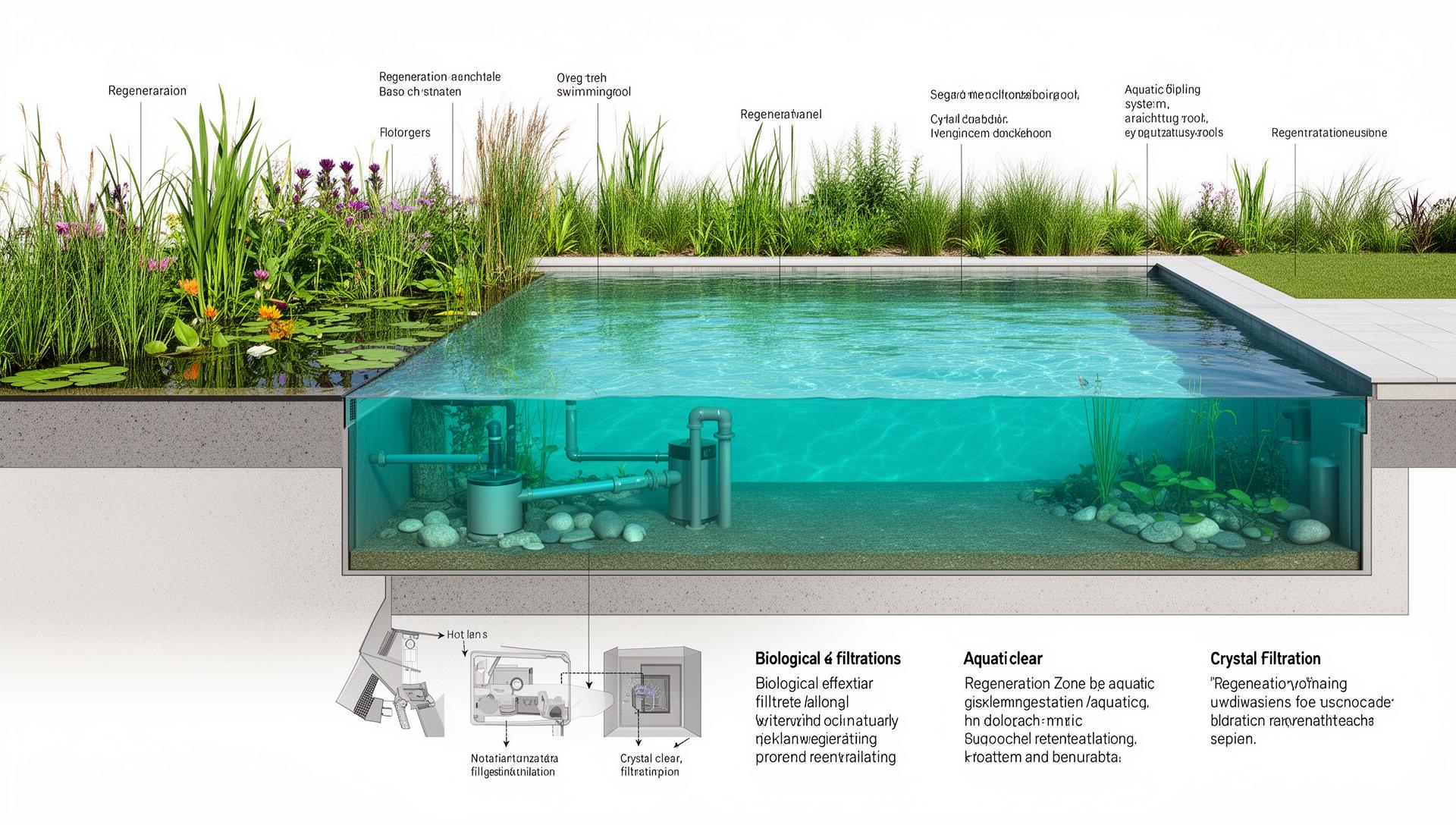
How Natural Swimming Pools Stay Clean Without Chemicals
Learn the science behind natural swimming pools and swimming ponds. Discover how aquatic plants and beneficial bacteria keep your water crystal clear—no chlorine needed.
Natural Swimming Pool Maintenance: Complete UK Year-Round Guide
Everything you need to know about maintaining a natural swimming pool or swimming pond through all four UK seasons. Simple tasks for lasting beauty.