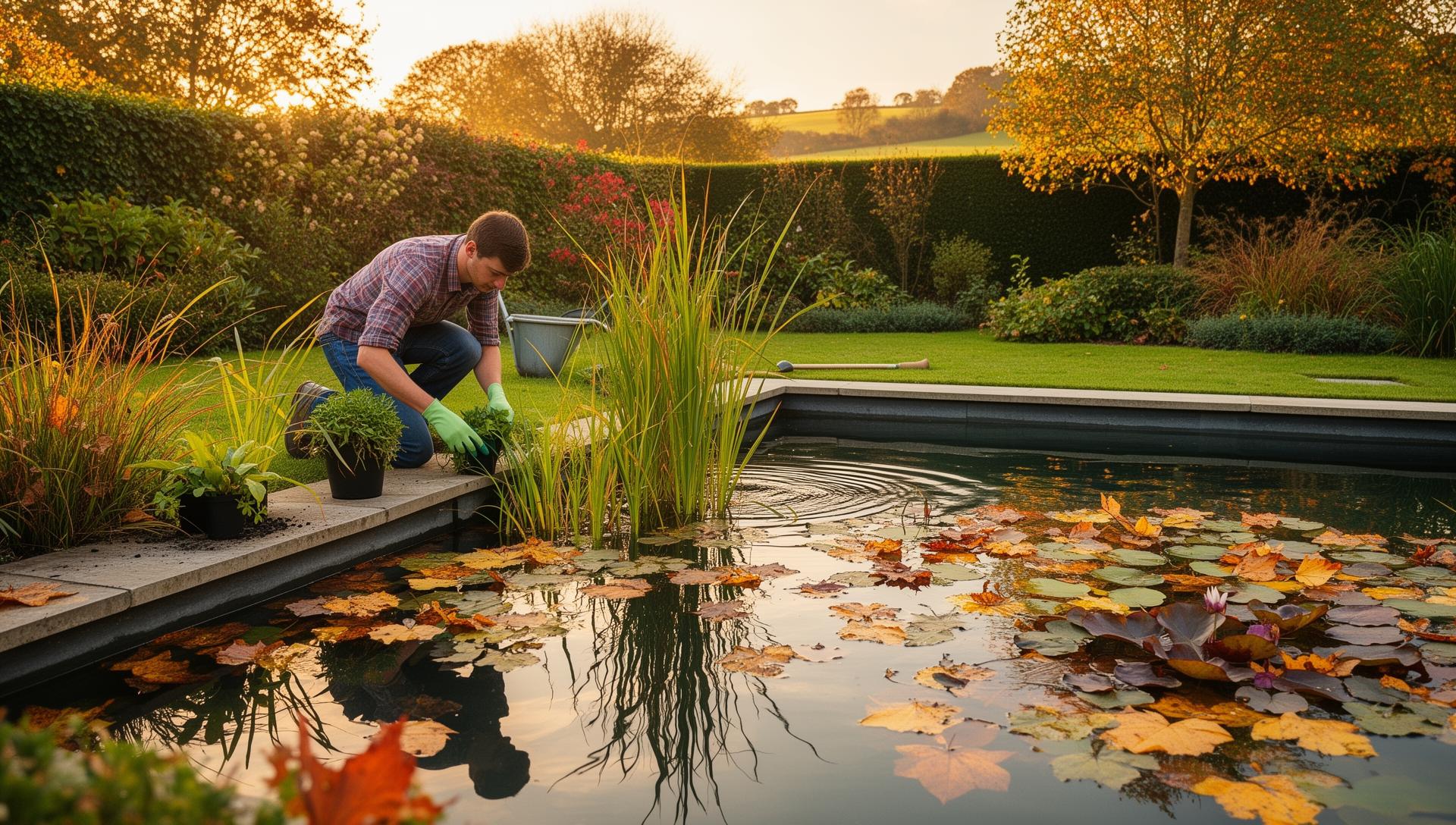
Natural Swimming Pool Maintenance: Complete UK Year-Round Guide
Everything you need to know about maintaining a natural swimming pool or swimming pond through all four UK seasons. Simple tasks for lasting beauty.

Jon Edwards
Founder & Lead Designer
- Seasonal maintenance focuses on light, regular tasks rather than heavy chemical balancing.
- Routine care includes skimming, plant care, and basic water testing.
- An annual professional check helps keep the ecosystem healthy long-term.
Effortless Maintenance, Year-Round Enjoyment
One of the biggest advantages of natural swimming pools is their low maintenance requirements. Unlike conventional chlorinated pools, there's no complex chemistry to balance—just simple, seasonal care. This simplicity, combined with the health benefits of chemical-free swimming, makes natural pools increasingly popular. The same applies whether you have a formal natural pool or naturalistic swimming pond. Understanding how natural pools stay clean helps you appreciate why maintenance is so simple.
Spring: Awakening Your Pool
As temperatures rise, your natural swimming pool comes back to life.
March-April Tasks
- Remove winter debris: Skim leaves and organic matter
- Check pumps: Ensure circulation systems work properly
- Inspect plants: Remove dead foliage from last season
- Water level: Top up if needed after winter evaporation
May Tasks
- Divide plants: Split overcrowded specimens—see our aquatic plants guide for species-specific advice. For detailed month-by-month timing, see our seasonal plant care calendar
- Add new plants: Fill any gaps in the regeneration zone
- First swim: Water typically reaches swimmable temperatures
Summer: Peak Swimming Season
This is when you enjoy your natural swimming pool most—and maintenance is minimal.
Weekly Tasks (15 minutes)
- Skim surface debris
- Check water level
- Remove any blanket weed by hand
- Enjoy swimming!
Monthly Tasks
- Trim overgrown plants
- Clean skimmer baskets
- Check pump operation
Managing Algae
Some algae is natural and healthy. For the science behind algae prevention, see our guide on phosphate control in natural pools. Regular water testing helps you catch issues early. If you notice excess:
- Increase circulation
- Add more oxygenating plants
- Remove manually with a net
- Check nutrient sources (fertiliser runoff, etc.)
Autumn: Preparing for Winter
As swimming season ends, prepare your natural swimming pool for colder months.
September-October
- Final plant trim: Cut back perennials before frost
- Leaf management: Install netting if trees overhang
- Reduce feeding: Stop adding any plant food
- Continue circulation: Keep pumps running
November
- Winterise pumps: Follow manufacturer guidelines
- Final clean: Remove accumulated debris
- Cover options: Consider a winter cover for leaf management
Winter: Rest and Renewal
Your natural swimming pool needs minimal attention during winter.
Monthly Check (5 minutes)
- Remove fallen debris
- Check water level
- Inspect for storm damage
- Ensure cover is secure (if using)
What Happens Under the Surface
The ecosystem continues working quietly. If you're considering heating your natural pool, you can extend your swimming season:
- Beneficial bacteria become dormant
- Plants rest but roots remain alive
- The ecosystem prepares for spring
- Some wildlife may overwinter
Annual Professional Service
We recommend one professional visit per year, which should include comprehensive water testing:
- Deep clean of filtration systems
- Plant health assessment
- Pump and equipment check
- Water quality analysis
- Advice for the coming season
If you're considering converting an existing chlorinated pool, maintenance requirements differ during the transition period.
Time Investment Comparison
| Pool Type | Weekly Summer Maintenance |
|---|---|
| Chlorinated Pool | 2-4 hours |
| Natural Swimming Pool | 15-30 minutes |
Common Maintenance Myths
"Natural pools are high maintenance"
False. They require less time than conventional pools.
"You need special skills"
False. Basic gardening knowledge is sufficient.
"They're murky in summer"
False. Well-designed natural swimming pools stay crystal clear.
The Lume Maintenance Promise
Every Lume pool comes with a comprehensive maintenance guide and first-year support. Your designer's maintenance guidance is crucial for long-term success—ensure you receive proper handover documentation. We ensure you feel confident caring for your living pool.
Frequently Asked Questions
How much time does natural pool maintenance take?
Natural swimming pools require just 15-30 minutes per week during swimming season—far less than chlorinated pools which need 2-4 hours. Tasks include skimming debris, checking water levels, and occasional plant care.
Do natural pools need professional maintenance?
An annual professional service is recommended but not essential. This includes deep cleaning filtration systems, plant health assessment, and equipment checks. Many owners handle day-to-day maintenance themselves with basic gardening skills.
What happens to natural pools in winter?
Natural pools require minimal winter care. Plants become dormant, bacteria slow down, and the ecosystem rests. Monthly checks (5 minutes) to remove debris and ensure covers are secure are sufficient. Pumps should be winterised following manufacturer guidelines.
How do you control blanket weed in a natural pool?
Some blanket weed is normal and indicates a healthy ecosystem. Remove excess by hand with a net or rake. If persistent, check for nutrient sources like fertiliser runoff, increase circulation, or add more oxygenating plants to outcompete it.
See a Natural Pool in Your Garden
Upload a photo of your garden and our AI will render a natural swimming pool into your space. Free, instant, and no obligation.
Related Articles
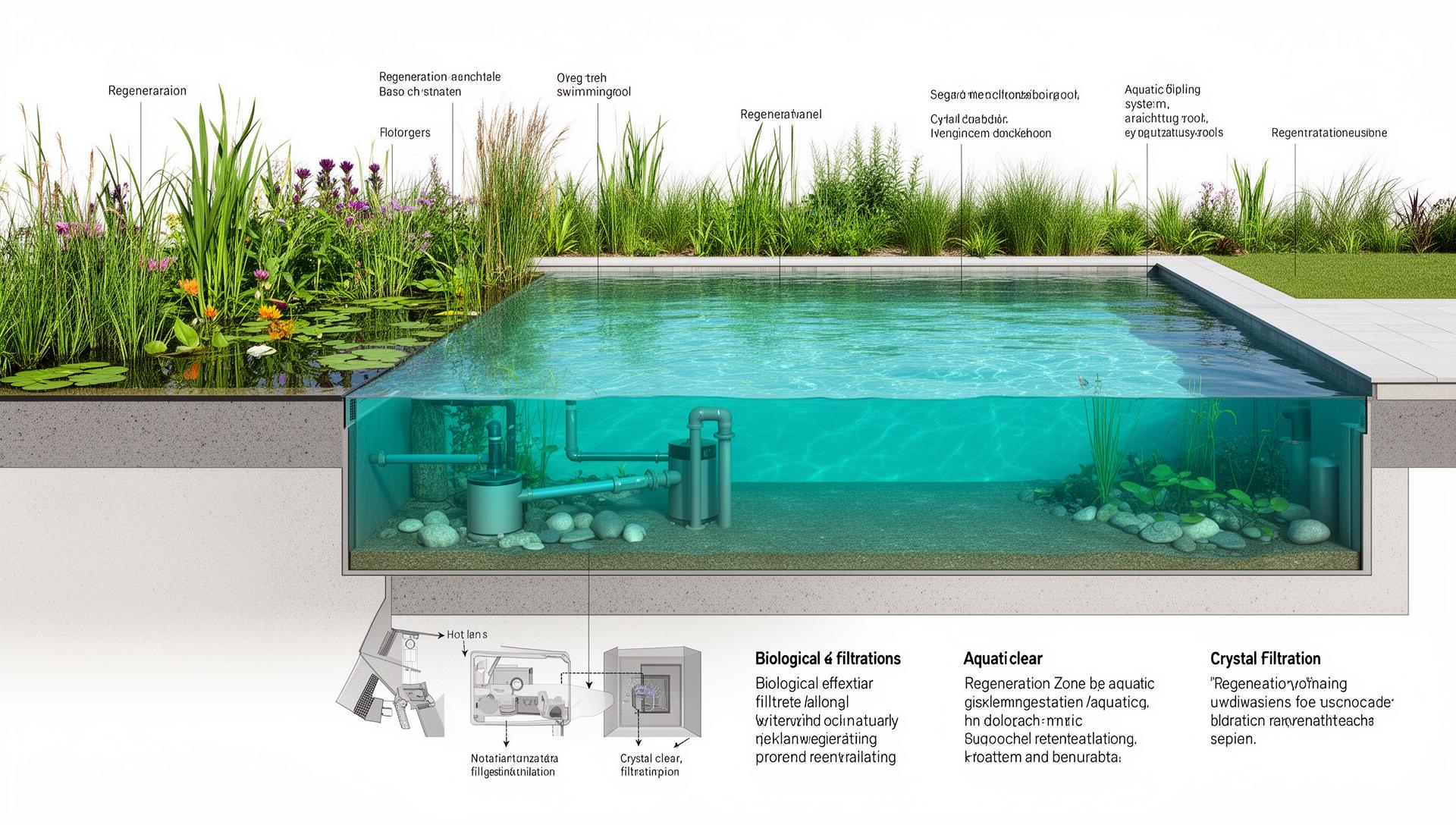
How Natural Swimming Pools Stay Clean Without Chemicals
Learn the science behind natural swimming pools and swimming ponds. Discover how aquatic plants and beneficial bacteria keep your water crystal clear—no chlorine needed.
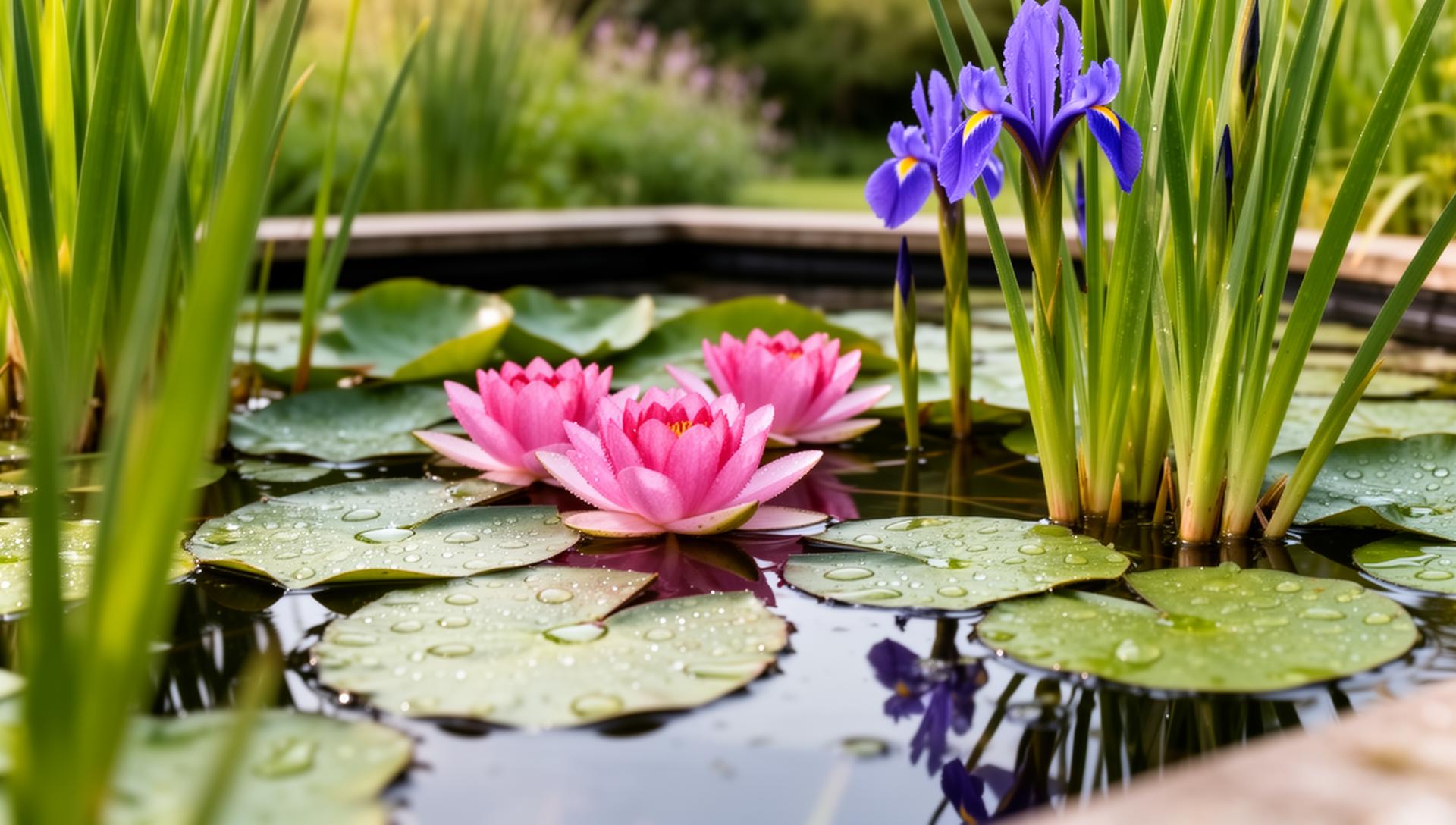
Best Plants for Natural Swimming Pools and Swimming Ponds UK
Discover the essential plants that keep natural swimming pools and swimming ponds clean and beautiful. Our complete guide to UK-native species for every pool zone.
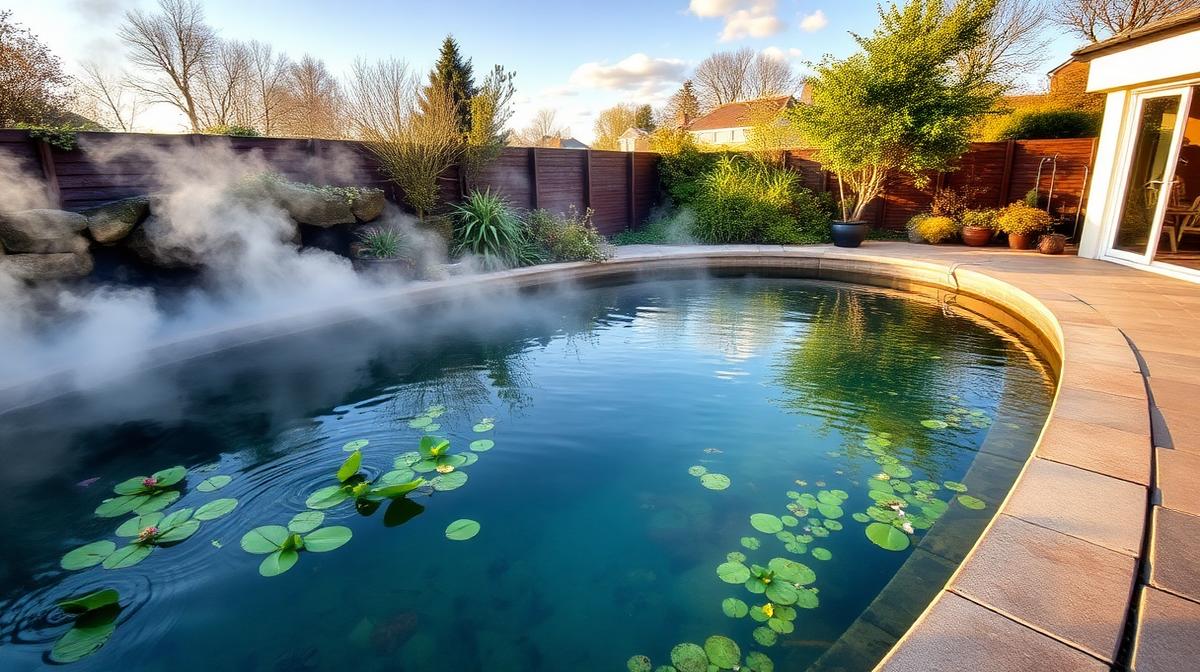
Can You Heat a Natural Swimming Pool in the UK? Costs & Options
Discover whether you can heat a natural swimming pool in the UK. Compare heating options, costs, and efficiency to extend your swimming season by months.