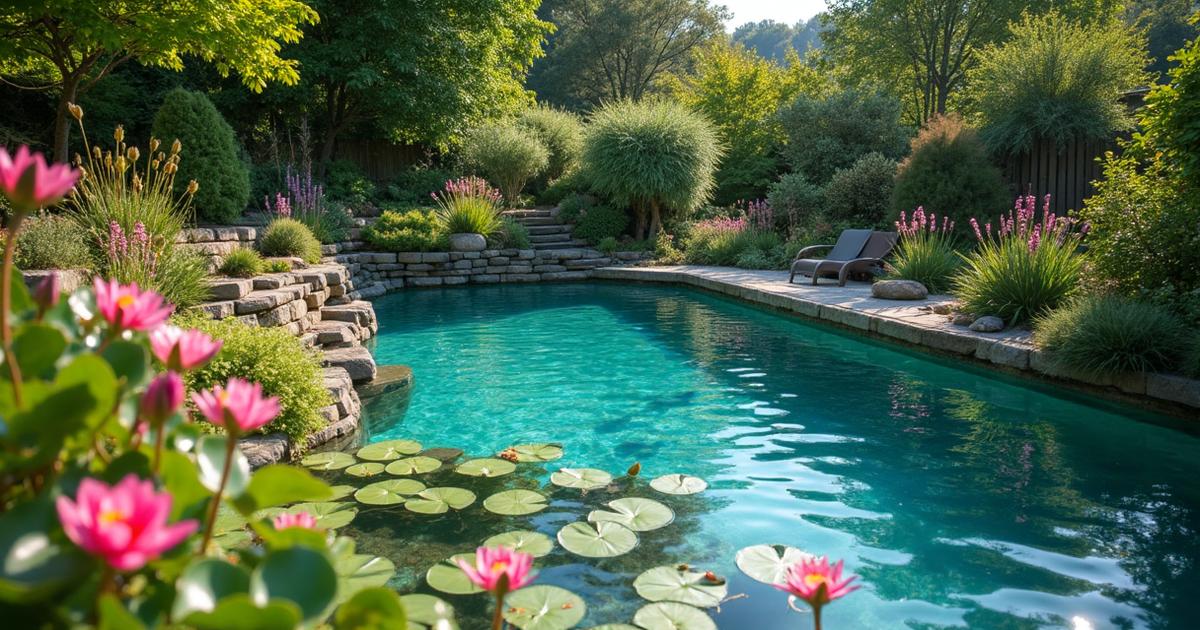
Seasonal Plant Care for Natural Swimming Pools: Month-by-Month Guide
Your complete month-by-month calendar for natural pool plant care. Learn when to plant, divide, prune, and protect your aquatic plants throughout the UK year.

Jon Edwards
Founder & Lead Designer
- Month-by-month care keeps plants vigorous and water clear.
- Pruning, dividing, and replanting are timed to seasonal growth cycles.
- Seasonal checks prevent nutrient spikes and algae blooms.
The Complete Plant Care Calendar
Your natural swimming pool's plants follow seasonal rhythms that, once understood, make maintenance predictable and straightforward. This month-by-month guide ensures your aquatic plants thrive year-round, keeping your water crystal clear without chemicals.
Understanding the Seasonal Cycle
Natural pool plants experience four distinct phases:
1. Dormancy (December-February): Minimal growth, plants rest
2. Spring awakening (March-May): Rapid growth begins
3. Peak season (June-August): Maximum growth and flowering
4. Autumn transition (September-November): Slowing growth, preparation for winter
Understanding how these plants filter your water helps you appreciate why each seasonal task matters.
January: Deep Winter Rest
Temperature: Typically 2-6°C water temperature
Tasks This Month
- Debris removal: Clear fallen leaves and branches weekly
- Ice management: If ice forms, create a hole for gas exchange (don't break ice violently)
- Pump check: Ensure winter circulation is working
- Planning: Order plants for spring delivery
What's Happening Below Surface
Most plants are fully dormant. Evergreen oxygenators like hornwort may show some green but aren't actively growing. Beneficial bacteria are slowed but still functioning.
Time commitment: 15-20 minutes weekly
February: Late Winter Preparation
Temperature: 4-8°C water temperature
Tasks This Month
- Continued debris removal: Important as trees may still shed
- Equipment inspection: Check pumps, filters, lights before spring
- Supplier research: Compare prices for new plants
- Site preparation: Identify areas needing replanting
Early Signs of Life
On milder days, you may notice:
- Slight green tinge returning to dormant plants
- First shoots on flag irises
- Increased bird activity at water's edge
Time commitment: 20-30 minutes weekly
March: Spring Awakening Begins
Temperature: 6-10°C water temperature
Tasks This Month
- Cut back dead foliage: Remove brown, dead material from marginal plants
- Clear regeneration zone: Remove accumulated winter debris from gravel beds
- Resume normal pump operation: Transition from winter settings
- First plantings: Hardy marginals can go in late March
- Divide early growers: Curly pondweed and similar can be divided now
- Fertiliser check: Ensure no lawn fertiliser can run into pool (spring lawn care begins)
Plant Activity
- Flag irises producing new sword-like leaves
- Curly pondweed (Potamogeton crispus) beginning active growth
- Hornwort showing fresh green tips
Time commitment: 1-2 hours weekly
April: Active Growth Phase
Temperature: 10-14°C water temperature
Tasks This Month
- Prime planting month: Most aquatic plants can now be introduced
- Marginal plants: Plant marsh marigolds, water forget-me-nots, brooklime
- Oxygenators: Add hornwort bunches to thin areas
- Deep water plants: Water lilies can go in from mid-April
- Overcrowded marginals: Divide flag irises, zebra rush, and similar
- Method: Lift, split with sharp spade, replant healthy sections
- Spacing: Allow room for this season's growth
- Algae watch: Spring warmth plus nutrients can trigger algae
- Normal: Some green tinge is expected as plants establish
- Action: Increase circulation if blanket weed appears
Wildlife Activity
- Frogs spawning in shallow areas
- Dragonfly larvae becoming active
- First butterflies visiting marginal flowers
Time commitment: 2-3 hours weekly
May: Peak Planting Window
Temperature: 14-18°C water temperature
Tasks This Month
- Complete new plantings: Last chance before summer heat
- Tender species: Subtropical plants can go in after last frost
- Top up gaps: Fill any bare areas in regeneration zone
- Thin fast growers: Remove excess duckweed, water lettuce
- Stake tall plants: Support purple loosestrife, flowering rush if needed
- Deadhead early flowers: Marsh marigold flowers finishing
- Monitor carefully: Evaporation increases significantly
- Top up gradually: Sudden cold water can shock plants
- Use rainwater: If available, preferable to tap water
What's Flowering
- Marsh marigold (finishing)
- Water forget-me-not
- Water crowfoot
- Flag iris (starting)
Time commitment: 1-2 hours weekly
June: Early Summer Glory
Temperature: 18-22°C water temperature
Tasks This Month
- Surface skimming: Daily if trees overhang
- Algae management: Hand-remove any blanket weed
- Plant trimming: Cut back plants encroaching on swimming area
June is the peak month for aquatic flowers:
- Flag iris in full bloom
- Water lilies opening
- Purple loosestrife starting
- Arrowhead flowers emerging
- Growing vigorously now
- May need first thinning
- Watch for surface-reaching growth
- Remove excess to maintain water flow
Water Quality
If plants are established, June should bring:
- Crystal clear water
- No algae problems
- Healthy insect population
- Perfect swimming conditions
Regular water testing confirms your pool is at peak health.
Time commitment: 30-45 minutes weekly (plus swimming!)
July: High Summer
Temperature: 20-24°C water temperature
Tasks This Month
- Regular skimming: Essential in hot weather
- Water level: May need topping up weekly
- Pump check: Ensure adequate circulation in warm water
- Evening inspection: Check for any issues during cooler hours
- Aggressive trimmers: Cut back water mint, watercress, creeping Jenny
- Lily care: Remove yellowing lily pads
- Oxygenator thinning: Continue removing excess
- Warmer water holds less oxygen
- Ensure pumps run during warmest periods
- Consider additional aeration if temperatures exceed 25°C
- Normal to see less vigorous plant growth in heat waves
Flowering Continues
- Water lilies at their best
- Purple loosestrife
- Water mint
- Flowering rush
Time commitment: 30-45 minutes weekly
August: Late Summer Transition
Temperature: 19-23°C water temperature
Tasks This Month
- Reduce plant mass: Begin cutting back overgrown areas
- Seed collection: Gather seeds from favourite plants
- Note performance: Record which plants did well
- Debris management: Some leaves starting to fall
- Water quality: Should remain excellent
- Late flowers: Enjoy final blooms
Signs of Seasonal Change
- Lily flowering slowing
- Some marginals showing autumn colour
- Dragonfly activity at peak
- Day length noticeably shorter
Time commitment: 45-60 minutes weekly
September: Autumn Begins
Temperature: 16-20°C water temperature
Tasks This Month
September is the main pruning month:
Marginal Plants
- Cut back to 10-15cm above water level
- Remove all dead and dying foliage
- Clear spent flower stems
- Leave some seed heads for wildlife
Oxygenating Plants
- Remove 50% of summer growth
- Prevent decay in winter water
- Leave enough for wildlife shelter
Floating Plants
- Remove tender species before first frost
- Can overwinter water hyacinth indoors
- Leave native floating plants
- Install netting if trees overhang
- Daily skimming may be needed
- Prevent leaves sinking and decomposing
Time commitment: 2-3 hours for main cutback, then 30 minutes weekly
October: Deep Autumn
Temperature: 10-14°C water temperature
Tasks This Month
- Complete cutting back: Finish any remaining pruning
- Remove tropical plants: Store tender species indoors
- Net maintenance: Ensure leaf nets secure
- Pump transition: Reduce flow or switch to winter mode
- Lighting check: Underwater lights for dark evenings
- Heater prep: If using, prepare heating system
Plant Status
- Most marginals dormant or near-dormant
- Oxygenators slowing significantly
- Evergreen marginals (certain irises, evergreen sedges) still showing green
Time commitment: 1-2 hours for preparations, then 20 minutes weekly. Understanding the annual running costs of plant maintenance helps you budget for replacements and new additions each season.
November: Pre-Winter
Temperature: 6-10°C water temperature
Tasks This Month
- Pump protection: Follow manufacturer's winterisation guide
- Final debris clear: Remove all organic matter possible
- Cover consideration: Install winter cover if using
- Almost all plants dormant
- Remove any remaining dead material
- Check for wildlife sheltering (hedgehogs, etc.)
Last Tasks
- Record plant inventory
- Order catalogues for spring
- Note areas needing attention next year
Time commitment: 1 hour for winterisation, then 15 minutes weekly
December: Full Dormancy
Temperature: 2-6°C water temperature
Tasks This Month
- Debris removal: Continue weekly checks
- Ice watch: Monitor in cold snaps
- Holiday period: System should need minimal attention
Looking Ahead
December is for:
- Reviewing the year's successes and challenges
- Planning spring improvements
- Researching new plant varieties
- Enjoying your winter garden
Time commitment: 15-20 minutes weekly
Annual Time Investment Summary
| Season | Weekly Time | Major Tasks |
|---|---|---|
| Winter (Dec-Feb) | 15-20 mins | Debris, ice, equipment checks |
| Spring (Mar-May) | 1-3 hours | Planting, dividing, major cleanup |
| Summer (Jun-Aug) | 30-45 mins | Skimming, trimming, water levels |
| Autumn (Sep-Nov) | 30-90 mins | Major cutback, winterisation |
Annual total: Approximately 50-75 hours—far less than a chlorinated pool.
Regional Timing Variations
The above schedule is based on Southern England. Adjust for your location:
- Northern England/Scotland: Delay spring tasks 2-3 weeks; autumn earlier
- Coastal areas: Milder winters, less ice risk
- Upland areas: Shorter growing season; select hardy varieties
Your Plant Care Toolkit
Use our plant selector to identify which species you have and their specific care requirements. Keep these items ready:
- Long-handled pond scissors
- Debris net/skimmer
- Planting baskets and aquatic compost
- Secateurs for marginals
- Waders for deeper access
- Waterproof gloves
With this calendar guiding your efforts, your natural swimming pool's plants will thrive, keeping your water naturally pristine year after year.
Frequently Asked Questions
When is the best time to plant aquatic plants in a natural pool?
April to May is the prime planting window in the UK. Water temperatures are warm enough for root establishment (10-18°C) and plants have the full growing season ahead. Hardy marginals can go in from late March; water lilies from mid-April.
How do I winterise my natural pool plants?
In September-October, cut back marginals to 10-15cm above water, remove 50% of oxygenating plant growth, clear all dead foliage, and install leaf netting. Tender tropical plants should be removed and stored indoors before first frost.
Why do natural pool plants peak in spring rather than summer?
Many aquatic plants like flag iris and marsh marigold evolved to flower and grow vigorously in spring when water is nutrient-rich from winter. Summer heat actually slows some species. Understanding this cycle helps you plan for consistent beauty year-round.
How much time does natural pool plant care take annually?
Expect 50-75 hours annually. Spring is busiest (1-3 hours weekly for planting and dividing), summer needs 30-45 minutes weekly, and winter just 15-20 minutes. This is significantly less than chlorinated pool maintenance.
Should I fertilise my natural pool plants?
Generally no. Natural pools should have sufficient nutrients from biological processes. Adding fertiliser risks algae blooms. If plants seem nutrient-deficient, investigate the cause rather than fertilising. Exception: slow-release aquatic fertiliser tablets for water lilies in low-nutrient pools.
See a Natural Pool in Your Garden
Upload a photo of your garden and our AI will render a natural swimming pool into your space. Free, instant, and no obligation.
Related Articles
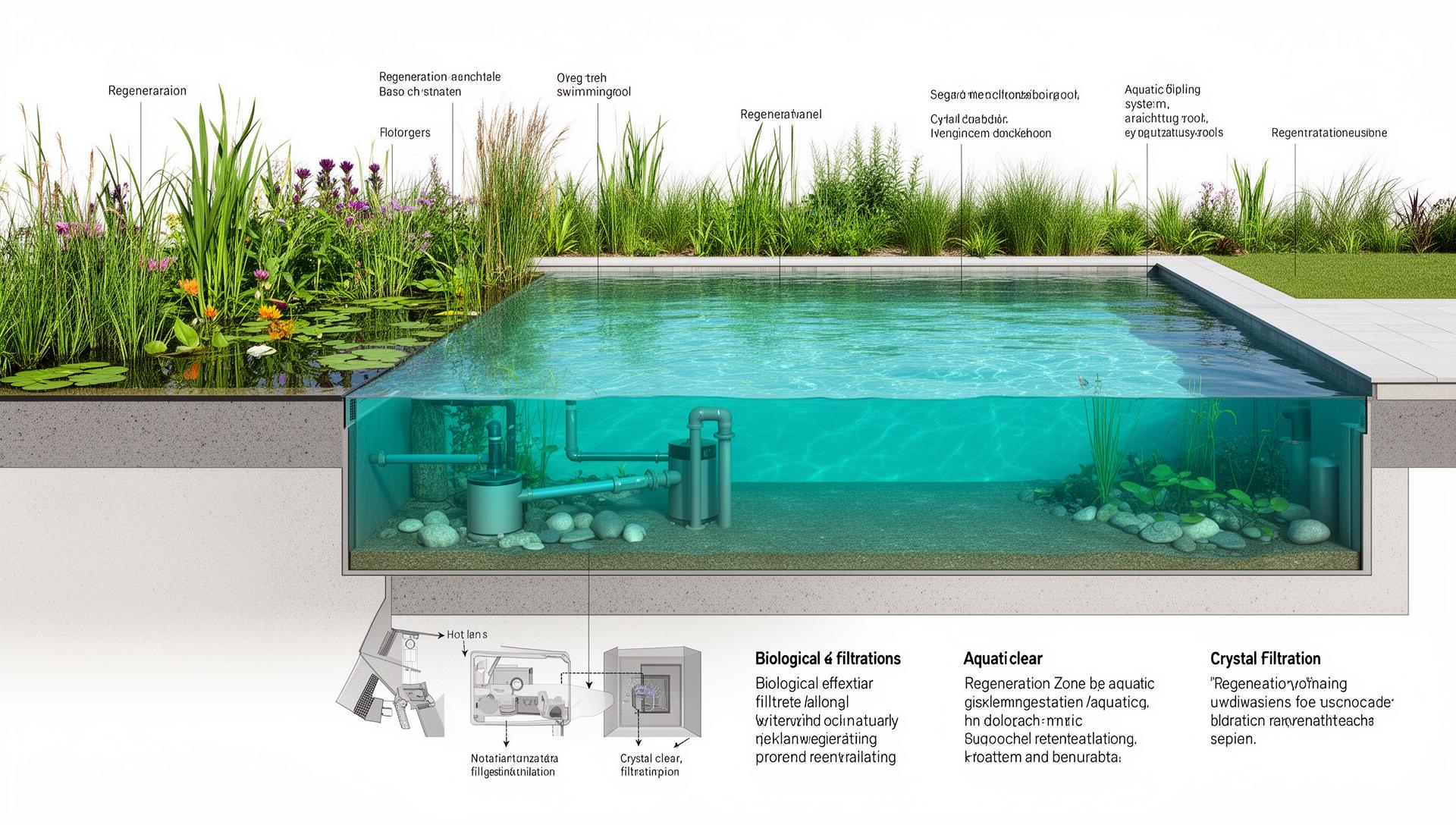
How Natural Swimming Pools Stay Clean Without Chemicals
Learn the science behind natural swimming pools and swimming ponds. Discover how aquatic plants and beneficial bacteria keep your water crystal clear—no chlorine needed.
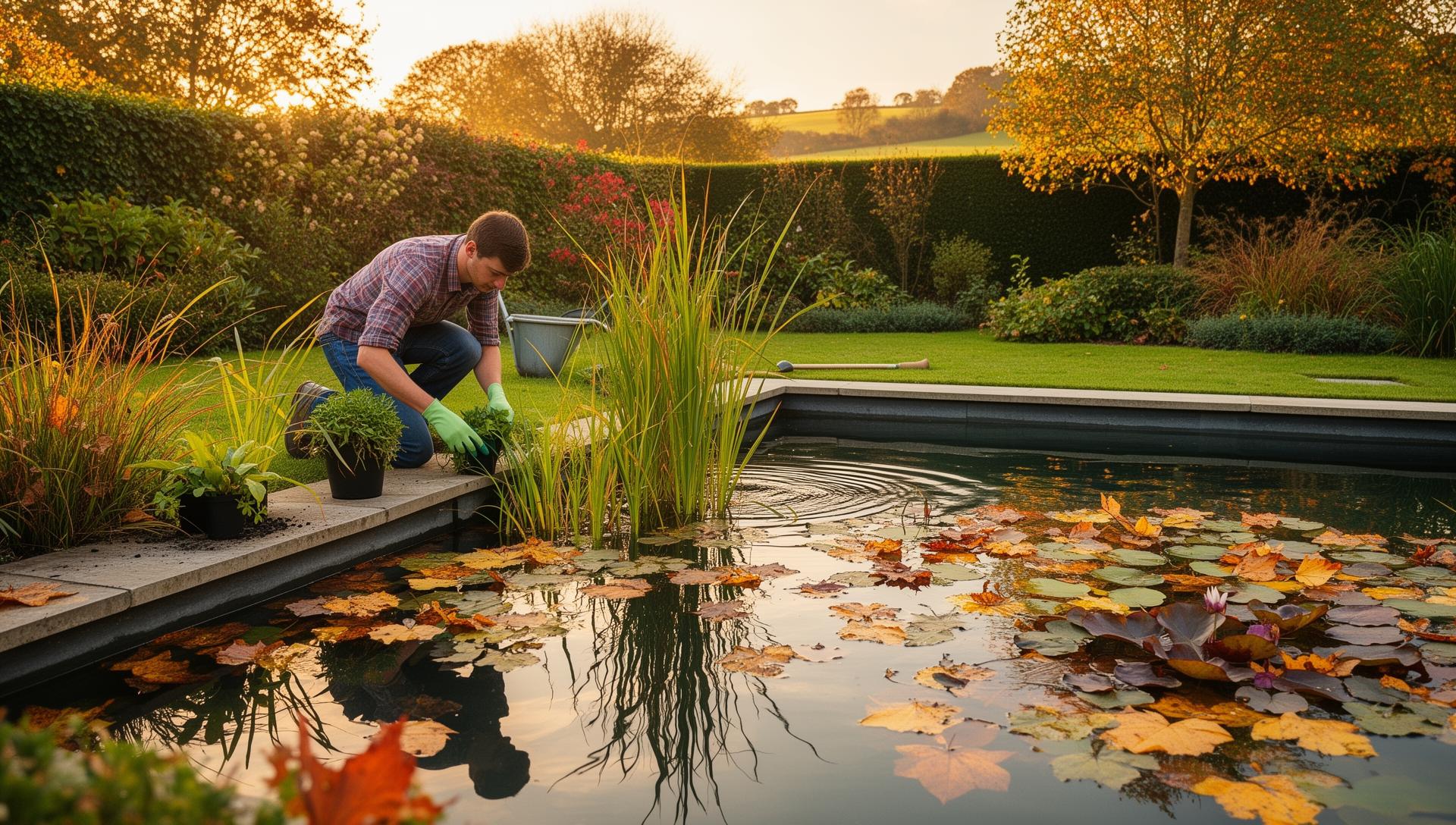
Natural Swimming Pool Maintenance: Complete UK Year-Round Guide
Everything you need to know about maintaining a natural swimming pool or swimming pond through all four UK seasons. Simple tasks for lasting beauty.
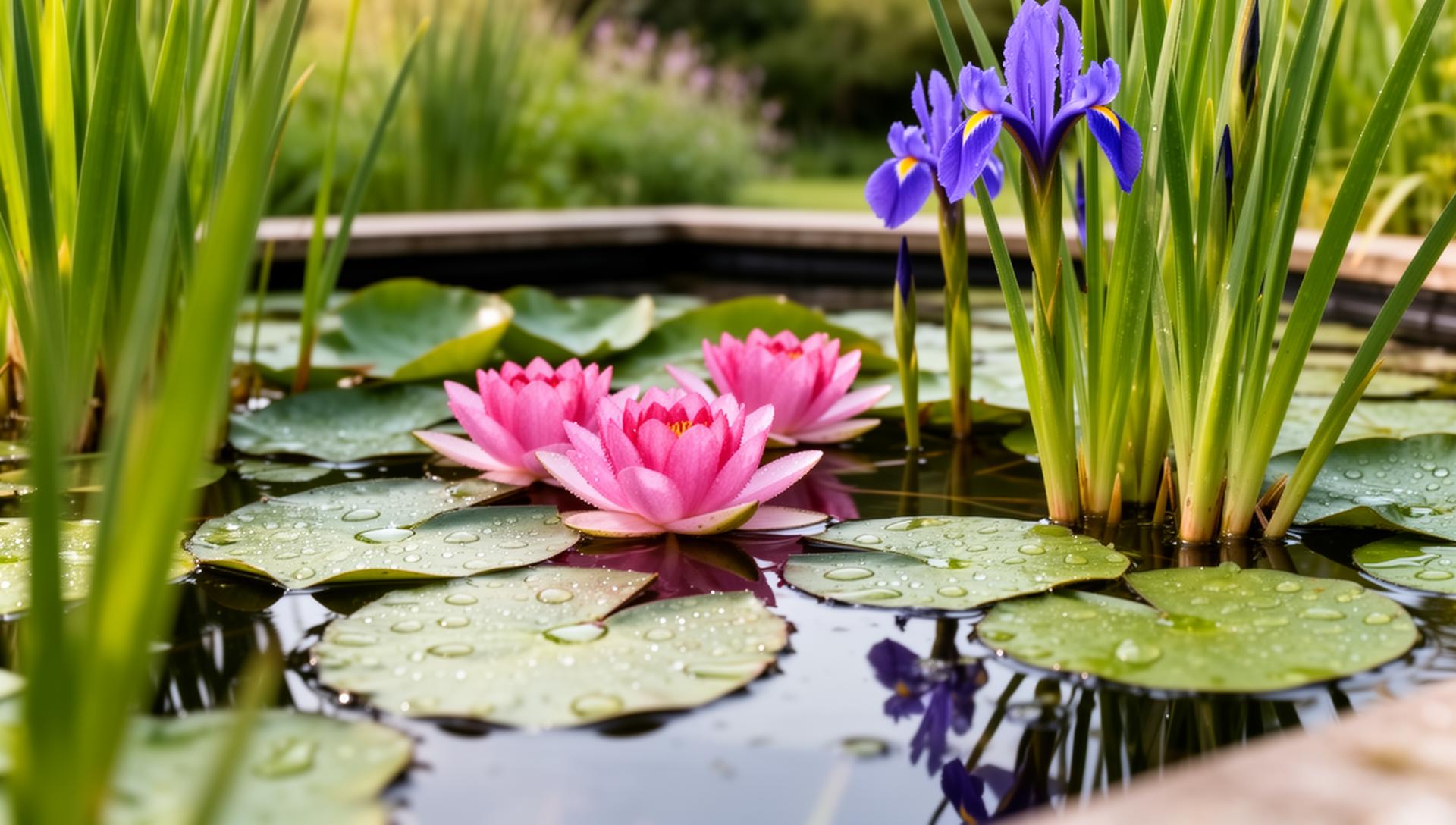
Best Plants for Natural Swimming Pools and Swimming Ponds UK
Discover the essential plants that keep natural swimming pools and swimming ponds clean and beautiful. Our complete guide to UK-native species for every pool zone.