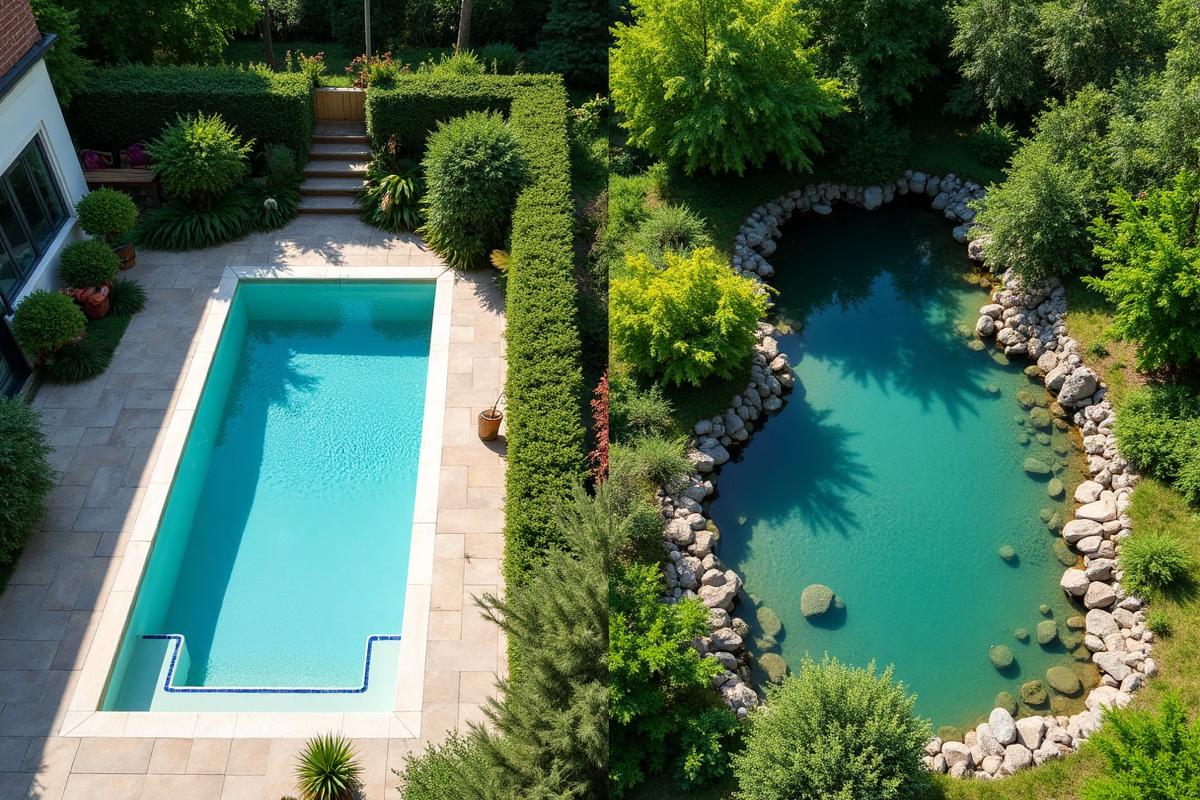
Natural Swimming Pools vs Swimming Ponds: Complete UK Guide
Are natural swimming pools and swimming ponds the same thing? Discover the subtle differences, design approaches, and which suits your UK garden best.

Jon Edwards
Founder & Lead Designer
- Natural pools tend to be more structured; swimming ponds feel organic.
- Costs and maintenance vary with edging, planting, and filtration design.
- Choose based on desired aesthetics and how you plan to use the space.
Making the Right Choice
The terms "natural swimming pool" and "swimming pond" are often used interchangeably, and for good reason. They're 95% identical in how they work. But understanding the subtle differences helps you communicate your vision to designers and choose the aesthetic that truly suits your garden.
Both offer chemical-free swimming, living ecosystems, and year-round garden beauty. The difference lies in design philosophy and visual approach, not in the underlying science.
Quick Comparison
| Factor | Natural Swimming Pool | Swimming Pond |
|---|---|---|
| Design Philosophy | Can be formal or naturalistic | Always naturalistic and organic |
| Shape | Geometric or organic options | Curved, flowing edges |
| Regeneration Zone | Structured, curated plants | Integrated, wildlife-focused |
| Aesthetic | Contemporary to traditional | Garden-blended, informal |
| Cost | £65,000-£200,000 | £60,000-£150,000 |
| Maintenance | 15-30 min/week | 15-30 min/week |
| Lifespan | 30+ years | 30+ years |
| Best For | Design flexibility | Naturalistic integration |
What Is a Natural Swimming Pool?
A natural swimming pool is a chemical-free swimming environment filtered through biological systems. It mimics natural water bodies like lakes and ponds, using aquatic plants and beneficial bacteria to keep water crystal clear.
Understanding how natural pools stay clean reveals the elegance of the system: plants absorb nutrients that would otherwise feed algae, whilst beneficial bacteria break down organic matter. No chlorine needed.
Key Characteristics
- Living ecosystem: Water is alive, not sterilised
- Regeneration zones: Planted areas that filter and clean water
- Year-round clarity: Water stays clear through all seasons
- No chemicals: Safe for sensitive skin and allergies
- Wildlife habitat: Attracts birds, dragonflies, frogs
- Design flexibility: Works with any garden style
Design Approach
Natural pools can be:
- Contemporary and geometric with clean lines
- Naturalistic and organic, blending into landscape
- Formal and classical with symmetrical layouts
- Split-level with dramatic cascades between zones
This flexibility means a natural swimming pool can suit a modern minimalist home or a period cottage equally well. The term describes the function (chemical-free biological filtration), not the appearance.
What Is a Swimming Pond?
A swimming pond is a natural swimming pool designed with a naturalistic, informal aesthetic. The term emphasises the "pond" character—organic shapes, planted edges, and seamless garden integration.
Swimming ponds use identical biological filtration systems to natural pools. The difference is purely visual: swimming ponds prioritise the appearance of a natural water feature over design flexibility.
Key Characteristics
- Organic shapes: Curved, flowing edges
- Naturalistic planting: Wildlife-focused, informal
- Garden integration: Feels like part of the landscape
- Informal aesthetic: Cottage garden or woodland feel
- Planted banks: Marginal plants blur pool/garden boundary
- Wildlife emphasis: Designed as habitat first, pool second
Design Approach
Swimming ponds typically feature:
- Soft, curved edges rather than geometric lines
- Native UK aquatic plants
- Natural stone or timber edging
- Meadow grass approaches
- Stepping stones and jetties
- Beach entries with pebbles
The swimming pond aesthetic works beautifully in country gardens, period properties, and spaces where you want the pool to disappear into the landscape.
Natural Swimming Pool vs Swimming Pond: The Real Differences
Now let's explore where these two approaches genuinely differ:
Design Style and Flexibility
Natural Swimming Pools offer complete design freedom. You can create:
- Formal rectangular pools with architectural precision
- Contemporary minimalist designs with clean decking
- Split-level pools with cascading water features
- Integrated seating and entertaining zones
- Pools that complement modern architecture
Swimming Ponds embrace a single aesthetic: naturalistic and informal. They work beautifully in the right setting but don't adapt to contemporary or formal garden styles.
The practical difference: If your garden is modern and architectural, a natural swimming pool designed in contemporary style will feel cohesive. If you tried to create a swimming pond in that same space, it would feel out of place.
Shape and Edges
Natural Swimming Pools can have:
- Geometric shapes (rectangles, circles, squares)
- Architectural edges with decking or stone coping
- Defined swimming zones with separate regeneration areas
- Crisp lines and formal boundaries
Swimming Ponds feature:
- Organic, flowing curves
- Soft, planted edges that blur into the garden
- Integrated regeneration zones (not visually separated)
- Natural-looking banks and margins
Cost implication: Geometric pools often cost more to construct (precision excavation, formal edging materials), whilst organic shapes can be more forgiving during installation.
Planting Approach
Natural Swimming Pools use structured regeneration zones:
- Curated plant selection
- Specific zones for different plant types
- Architectural planting schemes
- Plants chosen for both function and aesthetics
- Can use non-native species for visual effect
For detailed guidance, see our best aquatic plants guide.
Swimming Ponds emphasise naturalistic planting:
- Native UK species prioritised
- Abundant, informal planting
- Marginal plants along edges
- Focus on wildlife value
- Looks like it evolved naturally
The reality: Both systems work equally well biologically. The difference is visual intention.
Filtration Visibility
Natural Swimming Pools can hide or integrate filtration systems:
- Pumps and filters concealed in plant zones
- Visible water features (cascades, rills) can be purely aesthetic
- Regeneration zones can be screened or separated
- Modern equipment can be tucked away
Swimming Ponds emphasise natural-looking filtration:
- Regeneration zones visible and integrated
- Water movement appears natural, not engineered
- Planting hides the technical aspects
- Equipment kept out of sight
Honest truth: Both have the same pumps and filters underneath. The difference is whether you hide them or embrace them as part of the design.
Maintenance Reality
Here's where we need to dispel a myth:
Swimming ponds are NOT lower maintenance than natural pools.
Both require:
- Weekly summer skimming (15-30 minutes)
- Plant care and pruning
- Water quality monitoring
- Seasonal maintenance
- Equipment checks
See our natural pool maintenance guide for detailed seasonal care.
The difference is purely aesthetic. A swimming pond looks more natural, so people assume it requires less work. In reality, maintenance time is identical.
Cost Differences
Natural Swimming Pools: £65,000-£200,000
- Design complexity drives cost variation
- Contemporary designs with decking: £100,000-£180,000
- Formal classical designs: £85,000-£150,000
- Minimalist designs: £70,000-£130,000
Swimming Ponds: £60,000-£150,000
- Simpler design often means lower cost
- Organic shapes can be more forgiving
- Less formal edging materials
- Fewer architectural features
The catch: A beautifully designed swimming pond can cost as much as a contemporary natural pool. Cost depends on design complexity and materials, not terminology.
For detailed breakdown, see our natural pool costs UK guide.
Timeline and Installation
Both typically take 8-12 weeks from excavation to completion.
Natural Swimming Pools with geometric designs may require:
- Precise surveying and marking
- Formal edging installation
- Separate regeneration zone construction
- Detailed planting schemes
Swimming Ponds with organic shapes may feel faster because:
- Less precision required in excavation
- Informal edges are more forgiving
- Curved shapes can be adjusted during construction
- Planting looks intentional even if slightly imprecise
In reality, timeline is similar. The perception of speed comes from the informal aesthetic.
Which Should You Choose?
This decision should be based on your garden style and personal preference, not on misconceptions about cost or maintenance.
Choose a Natural Swimming Pool If:
- Your garden is modern, contemporary, or architectural
- You want design flexibility and customisation
- You prefer curated, formal aesthetics
- You have a period property with classical features
- You want integrated decking or entertaining zones
- You're willing to invest in premium design
- You want the pool to complement your home's architecture
Example: A modern minimalist home with clean lines, grey stone terracing, and contemporary landscaping. A geometric natural pool with crisp edges and separate regeneration zone would feel perfectly integrated.
Choose a Swimming Pond If:
- Your garden is informal, cottage-style, or rural
- You want maximum wildlife habitat
- You prefer organic, naturalistic aesthetics
- Your property is period or traditional
- You want the pool to disappear into the landscape
- You have mature trees and informal planting
- You want a "wild swimming" feel
Example: A Victorian cottage with established gardens, mature trees, and informal planting. An organic swimming pond with curved edges and integrated regeneration zones would feel like it belongs.
The Honest Truth
Both use identical biological filtration systems. Both require similar maintenance. Both cost roughly the same (design complexity matters more than terminology). Both last 30+ years.
Your choice should be based entirely on which aesthetic suits your garden and lifestyle better.
Real UK Examples
Example 1: Contemporary Natural Pool
Location: London townhouse garden
Design: Split-level rectangular pool with geometric lines
Features:
- Upper regeneration zone with architectural planting
- Water cascades into lower swimming area
- Composite decking with integrated seating
- Modern steel edging
- LED underwater lighting
Cost: £145,000
Why it works: The contemporary design complements the period townhouse's modern renovation. The split-level creates visual drama in a compact space.
Example 2: Naturalistic Swimming Pond
Location: Cotswold cottage
Design: Organic curved shapes with integrated regeneration
Features:
- Flowing edges that blend into meadow
- Native aquatic plants
- Timber jetty for diving
- Stone beach entry
- Surrounded by wildflower meadow
Cost: £95,000
Why it works: The informal design feels like it's always been part of the cottage garden. The organic shapes complement the rural setting.
Example 3: Hybrid Approach
Location: Surrey country home
Design: Formal swimming zone with naturalistic edges
Features:
- Rectangular swimming area with stone coping
- Organic regeneration zone with abundant planting
- Formal terracing on one side, natural edges on others
- Blend of contemporary and naturalistic elements
Cost: £120,000
Why it works: Combines design flexibility with naturalistic aesthetics. Works in transitional garden spaces.
Key Considerations for UK Homeowners
Before choosing between a natural pool and swimming pond, consider these factors:
Planning Permission
Both require planning permission in most UK locations. See our planning permission guide for detailed requirements.
The design style (natural pool vs swimming pond) doesn't affect permission requirements. What matters is size, location, and visibility from neighbouring properties.
Garden Size Requirements
Natural Swimming Pools: Minimum 50m² (including regeneration zone)
Swimming Ponds: Minimum 50m² (including regeneration zone)
Both need space for:
- Swimming area (15-20m² minimum)
- Regeneration zone (30-50% of total area)
- Access and maintenance
See our small natural pools guide for compact garden solutions.
Soil and Water Table
Both require:
- Stable soil conditions
- Appropriate water table depth
- Drainage considerations
- Geological survey
Soil type doesn't favour one design over the other.
Maintenance Commitment
Reality check: Both require genuine commitment.
Weekly summer maintenance includes:
- Skimming debris
- Plant care and pruning
- Water quality monitoring
- Equipment checks
Seasonal maintenance includes:
- Spring preparation
- Autumn leaf management
- Winter protection
- Spring restart
If you're not prepared for this, neither option is right for you.
Seasonal Considerations in UK Climate
Natural pools and swimming ponds perform identically in UK weather:
- Winter: Water stays clear, ecosystem dormant
- Spring: Plants regrow, water warms gradually
- Summer: Peak swimming season, water 18-22°C
- Autumn: Leaf management essential
Both can be heated. See our heating guide for options and costs.
Wildlife and Biodiversity
For a complete guide to the species you'll attract, see our natural pool wildlife guide.
Natural Swimming Pools with naturalistic design attract:
- Dragonflies and damselflies
- Frogs and newts
- Water beetles
- Birds
- Aquatic invertebrates
Swimming Ponds with wildlife-focused design attract:
- Same species, often in greater numbers
- More diverse marginal habitat
- Stronger ecosystem integration
Both create thriving habitats. Swimming ponds simply prioritise this in their design philosophy.
The Verdict
There's no wrong choice between a natural swimming pool and swimming pond. Only the right choice for your garden style and personal preference. Whether you choose natural pool or swimming pond aesthetics, selecting the right builder matters more than terminology.
Natural swimming pools suit those who want design flexibility and the freedom to create a pool that complements their home's architecture, whether that's contemporary, formal, or naturalistic.
Swimming ponds suit those who want a naturalistic, garden-integrated aesthetic that feels like a wild swimming experience.
Both offer identical benefits: chemical-free swimming, living ecosystems, year-round beauty, and 30+ year lifespans. Both require similar maintenance and cost roughly the same.
Your decision should be based on which aesthetic resonates with your garden and lifestyle, not on misconceptions about cost, maintenance, or performance.
Discover Your Perfect Pool
Still unsure which approach suits your garden? Upload a photo of your space for a free AI assessment. We'll show you exactly what's possible and help you visualise both natural pool and swimming pond options.
Frequently Asked Questions
Are natural swimming pools and swimming ponds the same thing?
Essentially, yes. Both use identical biological filtration systems. The difference is design philosophy: natural pools can be formal or naturalistic, whilst swimming ponds are always naturalistic. The underlying science is identical.
Which is cheaper: natural pool or swimming pond?
Cost depends on design complexity and materials, not terminology. A beautifully designed swimming pond can cost as much as a contemporary natural pool. Budget £60,000-£200,000 for either, depending on size, location, and design sophistication.
Do swimming ponds need less maintenance than natural pools?
No. This is a common myth. Both require identical weekly summer maintenance (15-30 minutes) and similar seasonal care. The naturalistic appearance of swimming ponds creates the false impression they're lower maintenance.
Can you convert a swimming pond to a natural pool design?
Technically yes, but it's expensive and disruptive. It's far better to get the design right from the start. Choose based on your garden style and stick with it.
Which design style is better for wildlife?
Swimming ponds often emphasise wildlife more in their design approach, with abundant marginal planting and integrated habitat zones. However, a naturalistic natural pool design attracts the same species. The difference is design intention, not ecological outcome.
How long do swimming ponds last compared to natural pools?
Both last 30+ years with proper maintenance. Lifespan depends on construction quality and ongoing care, not design style.
Can you heat a swimming pond?
Yes, using identical methods to natural pools: air source heat pumps, ground source heat pumps, or solar systems.
What's the regeneration zone in a swimming pond?
The regeneration zone is the planted area that filters and cleans water. In swimming ponds, it's integrated into the overall design and looks naturalistic. In natural pools, it can be separate and more structured. Functionally, they're identical.
Do you need planning permission for a swimming pond?
Yes, both natural pools and swimming ponds require planning permission in most UK locations.
Can you have a swimming pond in a small garden?
Yes. Compact swimming ponds work in gardens as small as 100m².
Get Your Free Pool Estimate
Upload a photo of your garden and receive a personalised AI render with a detailed cost estimate within 48 hours. No obligation, completely free.
Ready to start your project?
Book a free consultation with our design team to discuss your garden and budget.
Related Articles
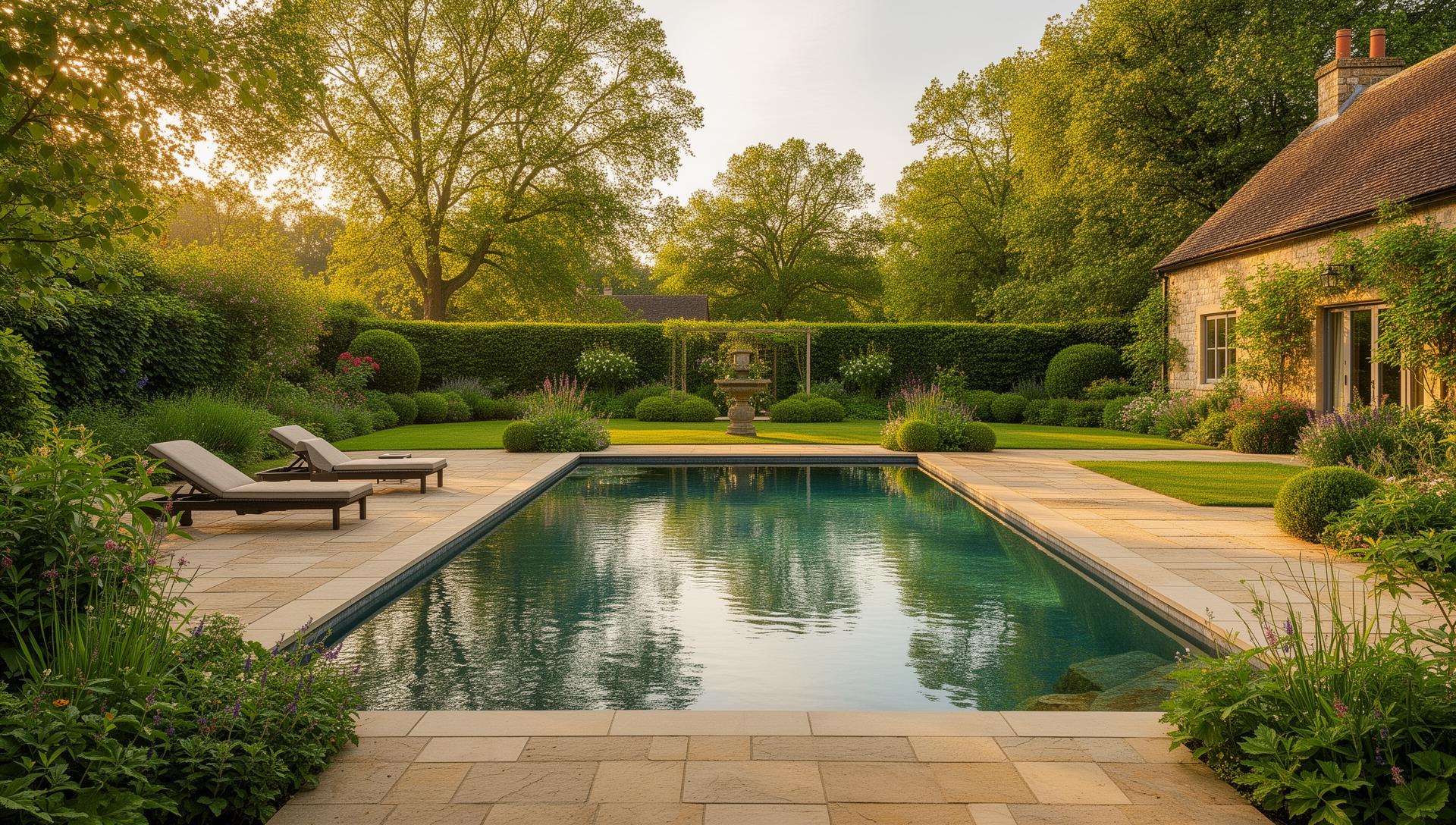
Natural Swimming Pool Cost UK: Complete 2026 Guide
Discover the true cost of a natural swimming pool in the UK. From swimming pond cost factors to installation, we break down every expense for your project.
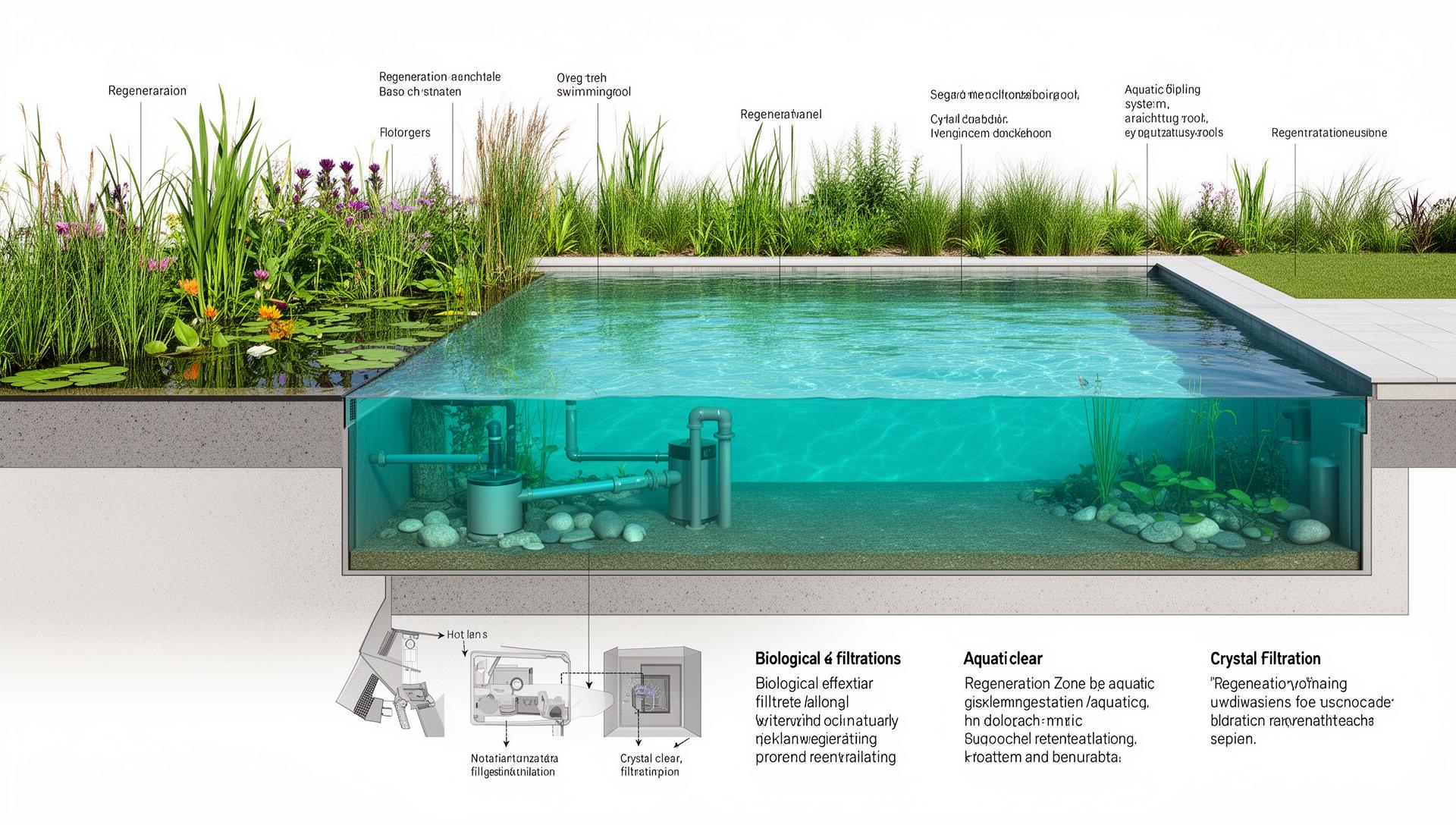
How Natural Swimming Pools Stay Clean Without Chemicals
Learn the science behind natural swimming pools and swimming ponds. Discover how aquatic plants and beneficial bacteria keep your water crystal clear—no chlorine needed.
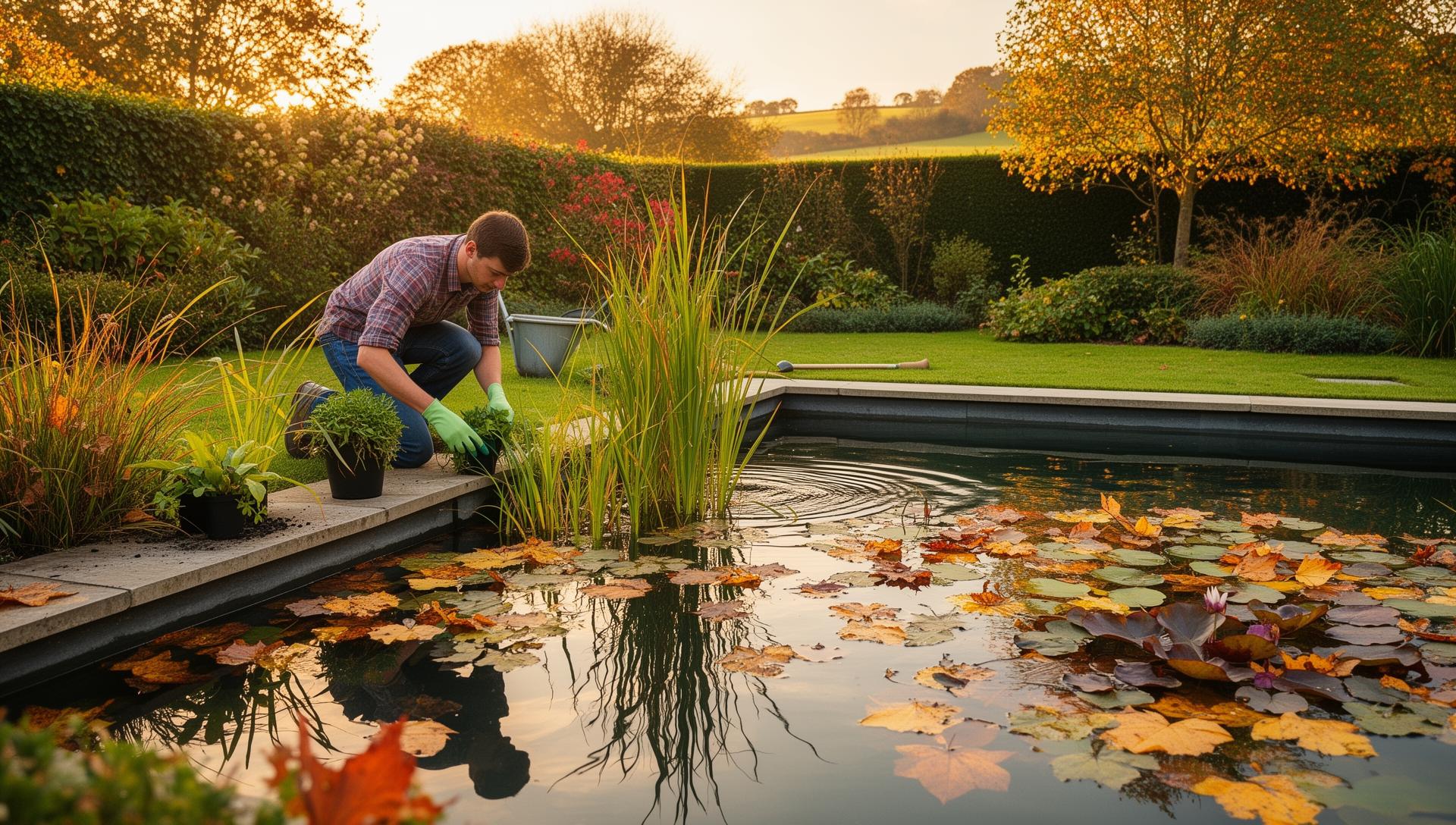
Natural Swimming Pool Maintenance: Complete UK Year-Round Guide
Everything you need to know about maintaining a natural swimming pool or swimming pond through all four UK seasons. Simple tasks for lasting beauty.