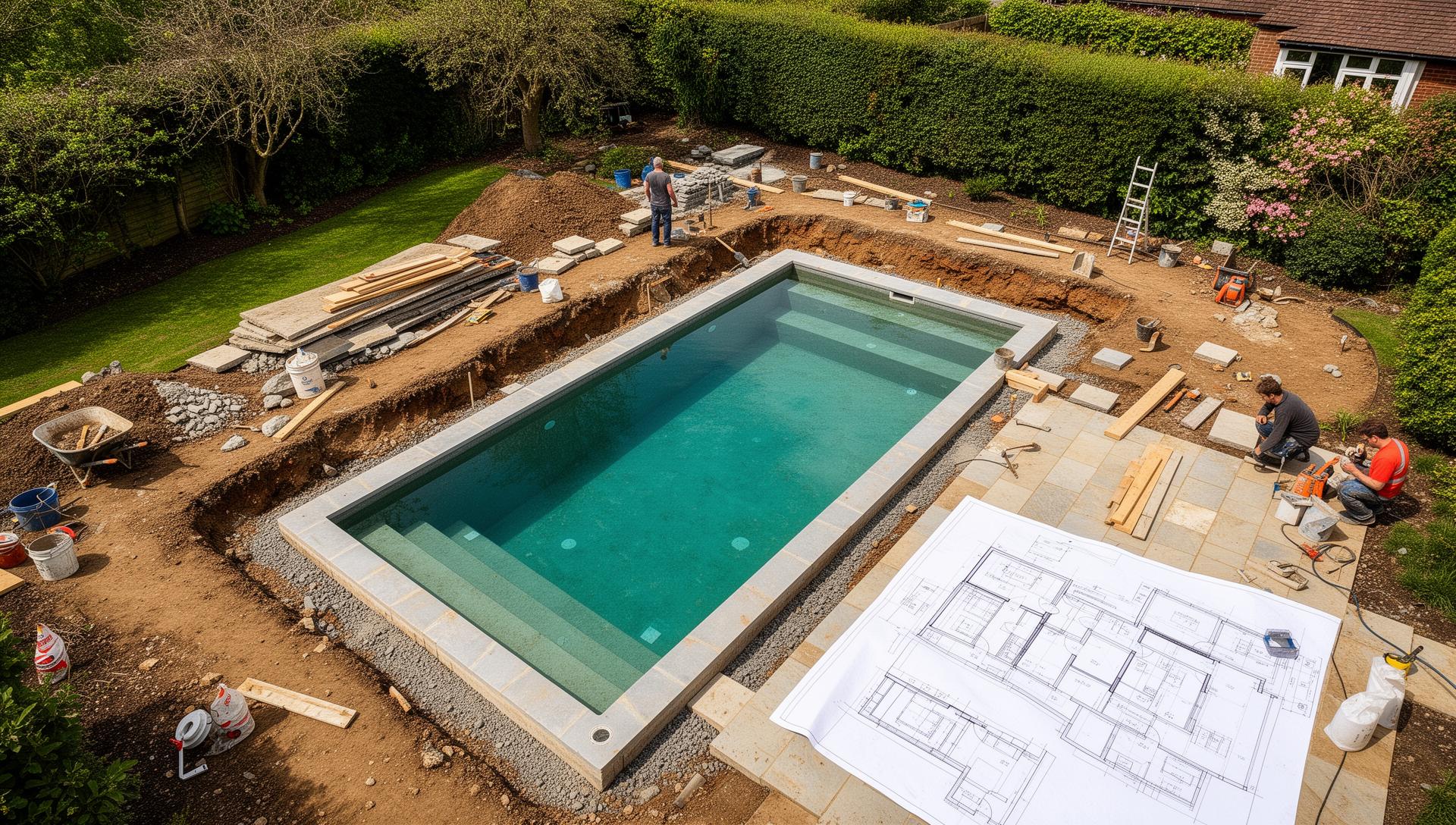
Natural Swimming Pool Planning Permission UK: Complete Guide
Navigate UK planning regulations for natural swimming pools and swimming ponds. Learn when permission is required and how to ensure smooth approval.

Jon Edwards
Founder & Lead Designer
- Most UK natural pools fall under permitted development rules.
- Permission may be needed for large pools, conservation areas, or boundary changes.
- A clear application checklist improves approval success.
Planning Permission for Natural Swimming Pools Explained
Good news: most natural swimming pools and swimming ponds in the UK don't require planning permission. However, understanding the rules ensures a smooth installation process. A natural pool functions year-round, supporting winter swimming and winter wildlife alike.
When Permission Is NOT Required
Under permitted development rights, you can build a natural swimming pool without planning permission if:
Size Criteria
- Pool doesn't exceed 50% of your garden area (ideal for smaller gardens)
- Located within your property boundaries
- Below 4 metres in height
Location Criteria
- Behind the principal elevation of your house
- Not in front of your property
- Within the curtilage of your dwelling
Most Lume natural swimming pools fall within these criteria.
When Permission IS Required
Before diving into the costs of your natural pool, check if you'll need to apply for planning permission:
Conservation Areas
Properties in conservation areas have stricter rules. You may need permission for:
- Any significant ground works
- Changes visible from public areas
- Removal of mature trees
Listed Buildings
Listed property owners must apply for:
- Any works affecting the setting
- Ground disturbance near the building
- Associated structures (pump houses, etc.)
Large Installations
Permission may be needed for:
- Pools exceeding 50% of garden area
- Associated buildings over 4m high
- Natural swimming pools visible from public spaces
AONB (Areas of Outstanding Natural Beauty)
These locations often require additional consideration.
Building Regulations for Natural Swimming Pools
Even without planning permission, building regulations may apply:
Electrical Work
- Must comply with Part P
- Certified electrician required (see our filtration systems guide for pump requirements)
- Inspection and certification needed
Structural Elements
- Retaining walls may need approval
- Significant excavation in certain soils
- Load-bearing decking areas
The Application Process
If you do need permission for your natural swimming pool:
Step 1: Pre-Application Advice
- Contact your local authority
- Discuss your plans informally
- Get guidance on likely outcomes
- Fee: typically £50-100
Step 2: Full Application
- Submit detailed plans
- Include design statements
- Provide site surveys
- Fee: approximately £206
Step 3: Decision
- Standard timeline: 8 weeks
- May include conditions
- Right to appeal if refused
Tips for Successful Applications
Emphasise Ecological Benefits
Natural swimming pools support biodiversity, creating wildlife habitat that planning officers increasingly value. Highlight:
- Wildlife habitat creation
- Native plant species
- Chemical-free water management
- Sustainable design principles
Understanding the best time to build helps with your planning application timeline. Understanding how the pool ecosystem works helps with planning documentation. Don't forget to factor in insurance requirements when budgeting.
Quality Documentation
Include:
- Professional site plans
- 3D visualisations
- Planting schedules featuring essential oxygenating plants and native species
- Maintenance plans
Avoiding common mistakes during the application process improves your chances of approval.
Neighbour Consultation
Proactively discuss your plans:
- Address concerns early
- Explain the quiet, natural approach
- Show them the design
How Lume Helps
Working with an experienced natural pool builder ensures your planning application is handled correctly from the start. Understanding the full construction timeline helps you plan around the planning process. Once planning is sorted, explore our natural swimming pool design ideas for inspiration. Our feasibility assessment includes:
- Initial planning guidance
- Site-specific recommendations
- Conservation area checks
- Professional documentation support
We've successfully navigated planning for natural swimming pools in:
- Conservation areas
- Listed building curtilages
- AONB locations
- Challenging sites
Party Wall Considerations
If excavating near boundaries:
- Party Wall Act may apply
- Notify neighbours formally
- Consider surveyor involvement
- Factor in additional time
Get Clarity for Your Project
Upload your garden photo for a free feasibility check. We'll identify any planning considerations specific to your location and provide guidance on next steps.
Frequently Asked Questions
Do you need planning permission for a natural swimming pool in the UK?
Most natural swimming pools don't require planning permission under permitted development rights. You can build without permission if the pool doesn't exceed 50% of your garden area, is behind your house, and within your property boundaries.
Do natural pools in conservation areas need planning permission?
Yes, properties in conservation areas typically need planning permission for natural pools. This includes any significant groundworks, changes visible from public areas, or removal of mature trees. Listed buildings also have stricter requirements.
Do natural pools need building regulations approval?
Electrical work for pumps must comply with Part P and be done by a certified electrician. Structural elements like retaining walls may need approval. The pool itself generally doesn't require building regulations approval.
How long does planning permission take for a natural pool?
If required, planning permission typically takes 8 weeks for a decision. Pre-application advice costs £50-100 and a full application costs approximately £206. We recommend getting pre-application guidance first.
Book a Free Consultation
Speak directly with our design team about your project. We'll assess your site, discuss timelines, and provide realistic budget guidance — completely free.
Ready to start your project?
Book a free consultation with our design team to discuss your garden and budget.
Related Articles
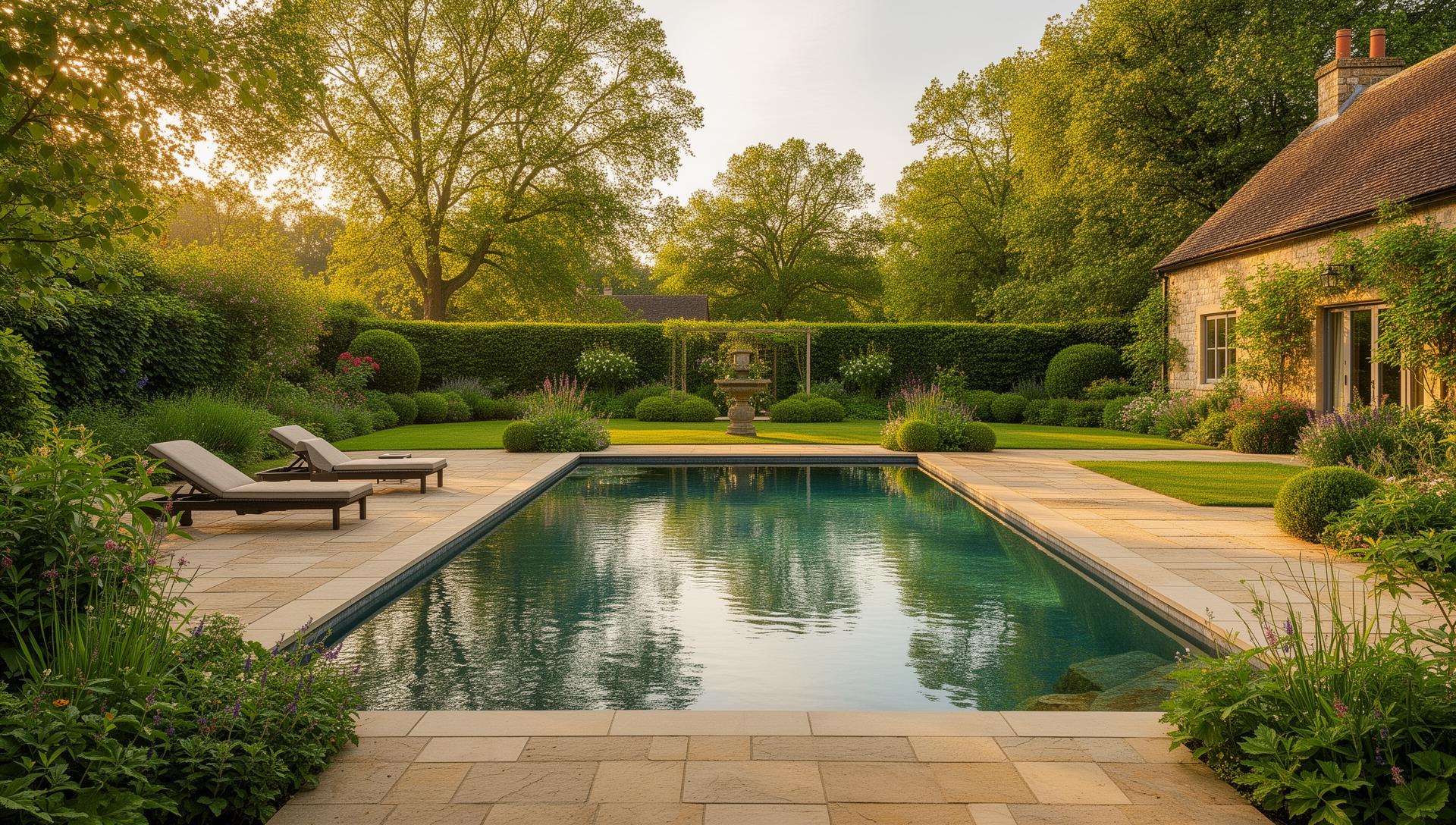
Natural Swimming Pool Cost UK: Complete 2026 Guide
Discover the true cost of a natural swimming pool in the UK. From swimming pond cost factors to installation, we break down every expense for your project.
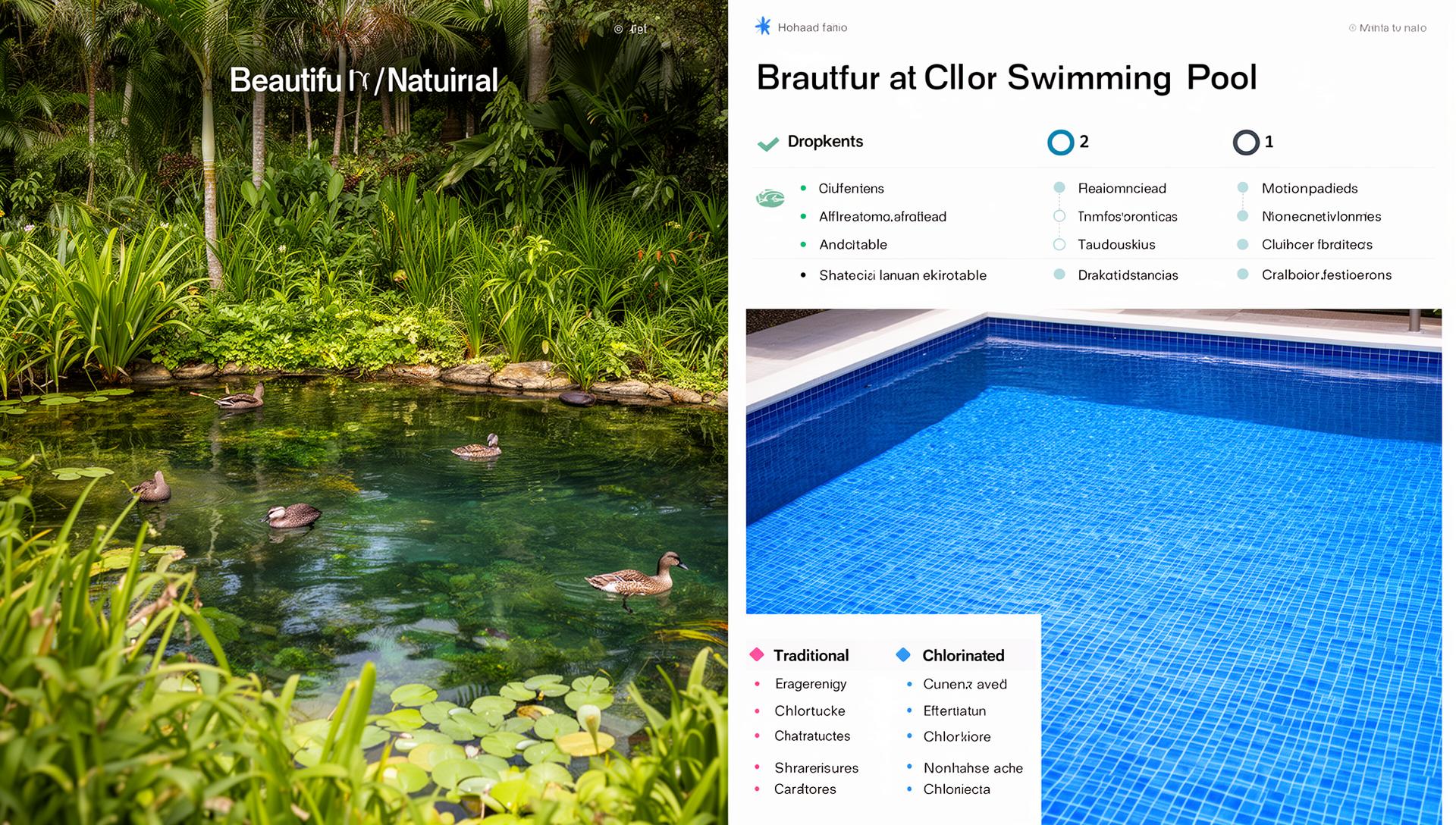
Natural Pool vs Traditional Pool: Complete Comparison Guide UK
Compare natural swimming pools and swimming ponds with chlorinated pools across health, aesthetics, maintenance, and lifestyle. Make the right choice for your UK home.
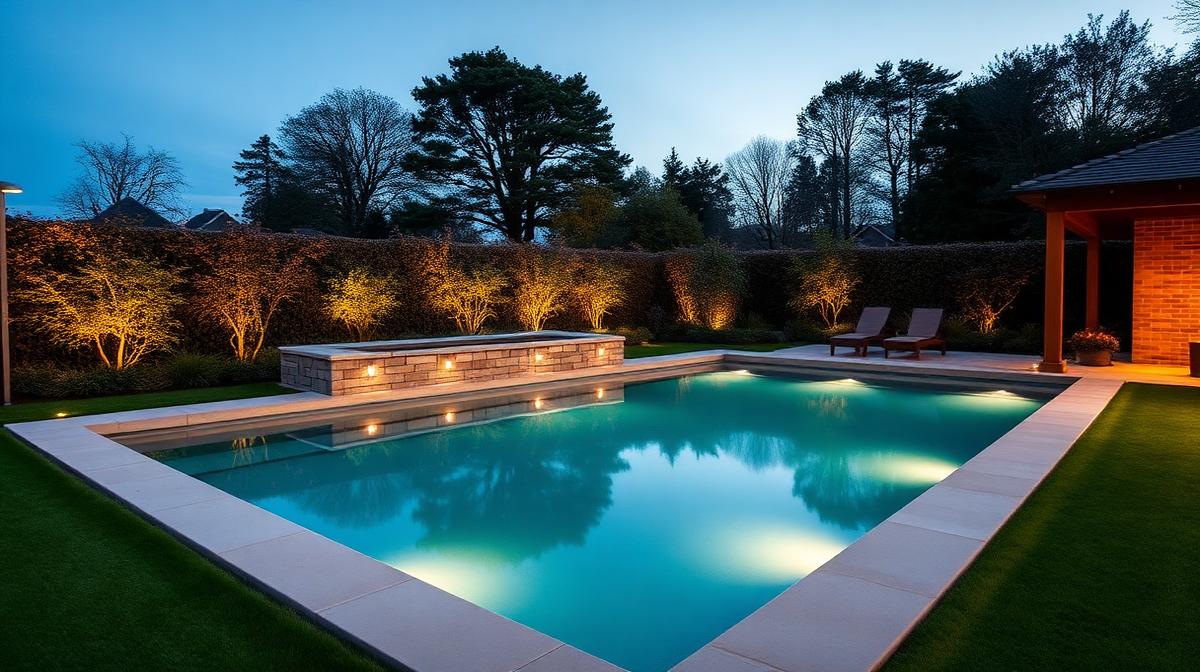
Natural Swimming Pool Design Ideas: Stunning Layouts for UK Gardens
Explore inspiring natural swimming pool design ideas for UK gardens. From contemporary minimalist to rustic cottage styles, find the perfect design for your outdoor space.