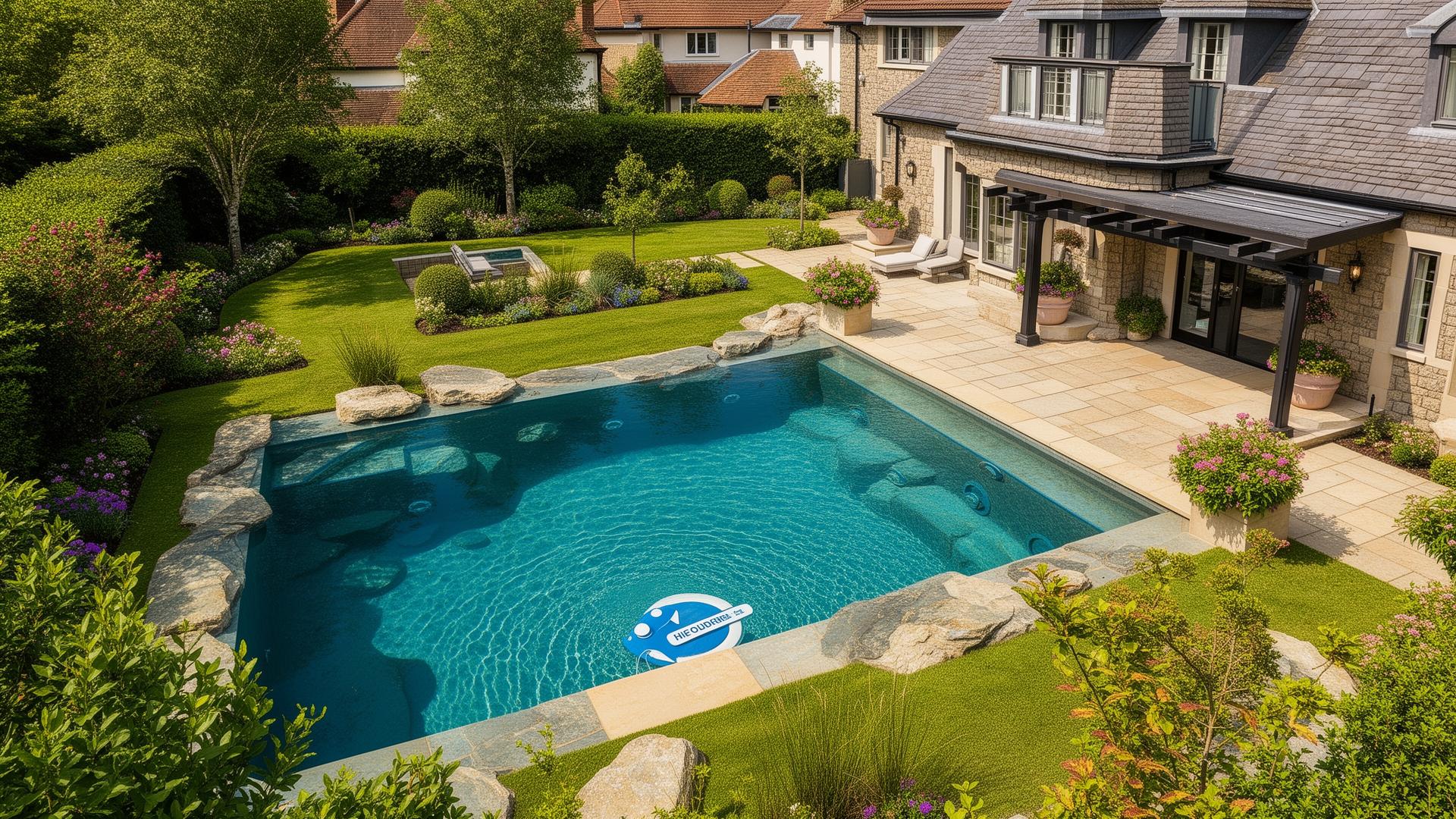
Natural Swimming Pool Insurance UK: Complete Guide
Everything you need to know about insuring your natural swimming pool in the UK. Home insurance requirements, costs, and what to tell your insurer.

Jon Edwards
Founder & Lead Designer
- Specialist cover protects against liability and property risks.
- Safety measures like fencing and covers can lower premiums.
- Clear documentation helps insurers approve natural pool policies.
Do You Need Insurance for a Natural Pool?
Yes—but it's simpler than you might think. Your home insurance should cover your natural swimming pool, but you must inform your insurer. Here's everything you need to know.
Home Insurance Basics
A natural swimming pool is a permanent garden structure, like a conservatory or garage. It falls under your buildings insurance.
What Needs Covering
| Coverage Type | What It Protects |
|---|---|
| Buildings | Structure, liner, pump house, permanent landscaping |
| Contents | Removable equipment (pumps, filters, covers) |
| Public liability | Injury to visitors using the pool |
Key Point
You don't need separate pool insurance—your existing home insurance should extend to cover the pool. But you must tell your insurer.
Notifying Your Insurer
Why You Must Notify
Failure to disclose a swimming pool could:
- Invalidate your entire policy
- Result in rejected claims
- Leave you personally liable for accidents
What to Tell Them
When contacting your insurer, provide:
1. Pool type: "Natural swimming pool" or "swimming pond"
2. Approximate size
3. Approximate value/build cost
4. Depth
5. Location in garden
6. Safety features installed
Sample Notification Script
""I'm notifying you that I've installed a natural swimming pool in my garden. It's approximately [X metres x Y metres], cost around £[amount] to build, with a maximum depth of [X] metres. It has [list safety features]. Please update my policy accordingly.""
Cost Impact on Premiums
Good news: the premium increase is typically modest.
Typical Premium Changes
| Scenario | Annual Increase |
|---|---|
| Standard natural pool, average property | £50-150 |
| Larger pool, higher-value home | £100-300 |
| Pool with safety features | Lower end of range |
| Pool without safety features | Higher end of range |
Factors Affecting Premiums
- Pool size: Larger = slightly higher premium
- Property value: Higher-value homes pay more for everything
- Location: Urban areas often higher
- Safety features: Fencing, covers, alarms reduce premiums
- Claims history: Previous claims affect all premiums
Safety Features That Help
Insurers look favourably on:
Physical Barriers
- Pool fencing (minimum 1.1m high, self-closing gate)
- Lockable pool covers
- Natural barriers (dense planting)
Alarms and Detection
- Pool alarms
- Gate alarms
- Motion sensors
Visibility and Access
- Adequate lighting
- Clear depth markings
- Non-slip surrounds
- Easy exit points
See our safety and water quality guide for comprehensive safety information.
Natural Pools vs Chlorinated Pools: Insurance View
Insurers generally treat natural pools similarly to traditional pools, but some differences exist:
Advantages (Natural Pools)
- No chemical storage liability
- Shallow, planted regeneration zones alongside the deeper swim zone (though any pool is a genuine drowning hazard and must be treated as one)
- Environmentally positive perception
- Often seen as landscaping feature
No Difference
- Public liability requirements same
- Building coverage same
- Premium calculations similar
Potential Concerns
Some insurers unfamiliar with natural pools may ask additional questions. Be prepared to explain how they work—most concerns disappear once understood.
Types of Coverage Explained
Buildings Insurance
Covers:
- Liner damage
- Structural failure
- Storm damage
- Subsidence
- Frost damage
- Vandalism
Typically included in your existing buildings cover at the pool's rebuild value.
Contents Insurance
Covers:
- Removable pumps
- Filtration equipment
- Pool covers (if not permanently attached)
- Furniture near pool
- Cleaning equipment
Add value of equipment to your contents total.
Public Liability
Covers:
- Injury to visitors
- Legal costs if sued
- Medical expenses for injured parties
Standard home policies include £1-2 million liability. Consider increasing to £5 million if you entertain frequently.
What's NOT Covered
Standard home insurance typically excludes:
| Exclusion | Notes |
|---|---|
| Wear and tear | Normal liner aging, plant replacement |
| Maintenance neglect | Damage from lack of care |
| Gradual deterioration | Slow leaks, sediment buildup |
| Business use | Swimming lessons, rentals |
| Earthquake (UK) | Rarely relevant but excluded |
Documentation to Keep
Maintain records for any future claims:
Build Documentation
- Invoices and receipts
- Contractor details
- Building control approvals
- Planning permission (if obtained)
- Design drawings
- Photographs during construction
Ongoing Records
- Annual service records
- Water quality testing
- Equipment maintenance
- Photographs (updated annually)
Equipment
- Serial numbers for pumps/filters
- Purchase receipts
- Warranty documents
Finding the Right Insurer
Approach 1: Existing Insurer
Start with your current home insurer. Most will add pool coverage straightforwardly.
Approach 2: Specialist Brokers
If your insurer is unfamiliar with natural pools, try:
- High-value home specialists
- Rural property insurers
- Brokers experienced with unusual features
Approach 3: Pool-Specific Policies
Rarely needed for home pools, but specialist pool insurance exists for commercial situations.
Questions to Ask
1. Does my buildings cover extend to the pool automatically once notified?
2. What's my liability limit for pool-related incidents?
3. Are there any exclusions specific to swimming pools?
4. What safety features reduce my premium?
5. How do I claim for pool damage?
Common Insurer Questions
Be prepared to answer:
| Question | Why They Ask |
|---|---|
| Pool depth | Drowning risk assessment |
| Fencing present | Safety compliance |
| Public access | Liability exposure |
| Professional build | Quality/warranty |
| Heated | Higher value, fire risk |
| Children in home | Additional risk factor |
Property Value Considerations
Natural pools typically add value to properties—use our ROI calculator to estimate the return on your investment. Consider:
Rebuild Value
Ensure buildings coverage reflects the cost to rebuild/replace the pool. This may be:
- Equal to build cost
- Slightly higher (inflation, materials)
- Detailed in a professional valuation
Market Value
Natural pools add 5-10% to property values according to estate agents—more than traditional pools.
Holiday and Rental Considerations
If you rent your property or use it as a holiday let:
Short-Term Lets
- Standard home insurance usually excludes rental use
- You'll need specialist landlord/holiday let insurance
- Pool may increase rental premium significantly
- Additional liability coverage essential
Long-Term Tenants
- Landlord insurance required
- Pool adds complexity
- Consider who maintains the pool
- Tenancy agreement should cover pool rules
Claims Tips
If you need to make a claim:
1. Photograph damage immediately
2. Report promptly (most policies require notification within days)
3. Get professional quotes for repairs
4. Don't repair before approval (unless emergency prevention)
5. Keep all receipts
6. Document temporary measures taken
The Lume Approach
When you build with Lume, we provide:
- Build documentation pack for insurers
- Photographs at each stage
- Equipment specifications
- Professional valuation if needed
- Guidance on insurer conversations
Summary Checklist
Before construction:
- [ ] Contact insurer about planned pool
- [ ] Get written confirmation of coverage terms
- [ ] Understand premium impact
- [ ] Plan appropriate safety features
Always verify your contractor carries appropriate insurance—our builders guide lists fully insured specialists.
Always verify your contractor carries appropriate insurance—our builders guide lists fully insured specialists. Ensure you work with qualified designers who can provide proper documentation for insurers.
After completion:
- [ ] Notify insurer with final details
- [ ] Update buildings sum insured
- [ ] Add equipment to contents
- [ ] Review liability limits
- [ ] Store all documentation safely
Ready to explore a natural pool for your garden? Start with our free AI visualisation tool to see the possibilities.
Frequently Asked Questions
Do I need special insurance for a natural swimming pool?
No special policy is needed. Your existing home insurance should cover the pool under buildings insurance, but you must notify your insurer of the installation. Failure to disclose could invalidate your entire policy.
Will a natural pool increase my home insurance premium?
Typically yes, but modestly. Expect an annual increase of £50-300 depending on pool size, property value, and safety features installed. Proper fencing and covers can reduce the premium increase.
Are natural pools considered safer than chlorinated pools for insurance?
Insurers generally treat them similarly. Natural pools have advantages (no chemical storage, shallower regeneration zones) but the core liability concerns are the same. Safety features matter more than pool type for premiums.
What documentation do I need for my pool insurance?
Keep build invoices, contractor details, design drawings, planning documents (if applicable), photos during and after construction, equipment serial numbers, and annual service records. These support any future claims.
Book a Free Consultation
Speak directly with our design team about your project. We'll assess your site, discuss timelines, and provide realistic budget guidance — completely free.
Ready to start your project?
Book a free consultation with our design team to discuss your garden and budget.
Related Articles
Natural Swimming Pool Cost UK: Complete 2026 Guide
Discover the true cost of a natural swimming pool in the UK. From swimming pond cost factors to installation, we break down every expense for your project.
Natural Swimming Pool Maintenance: Complete UK Year-Round Guide
Everything you need to know about maintaining a natural swimming pool or swimming pond through all four UK seasons. Simple tasks for lasting beauty.
Natural Swimming Pool Planning Permission UK: Complete Guide
Navigate UK planning regulations for natural swimming pools and swimming ponds. Learn when permission is required and how to ensure smooth approval.