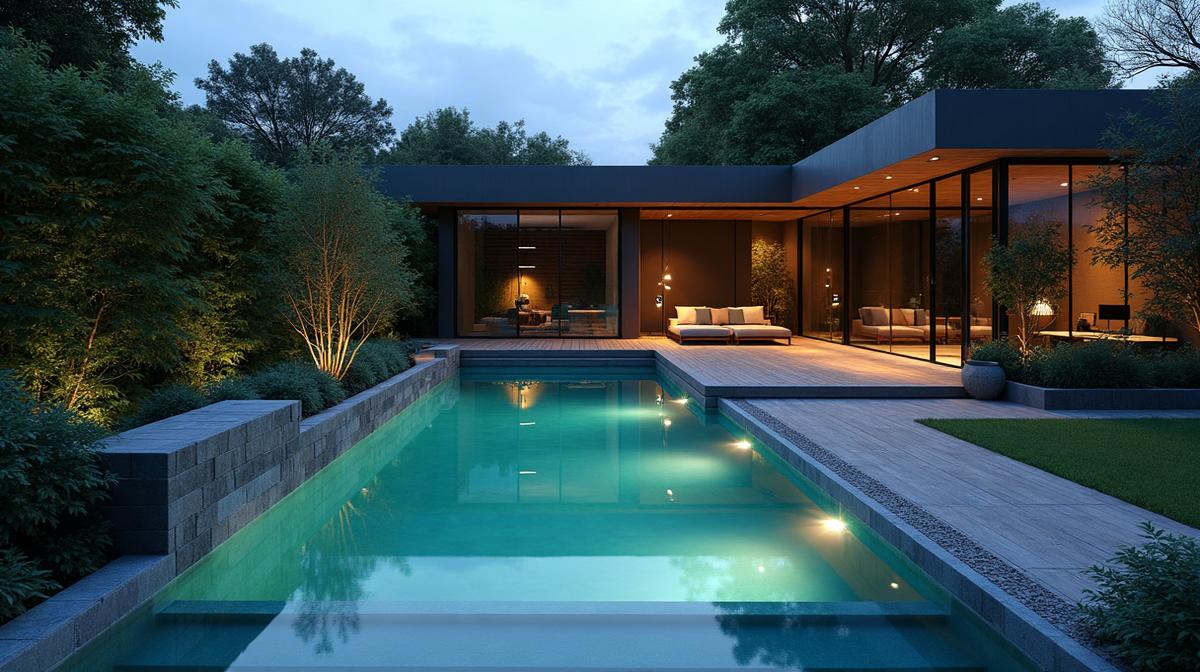
AI Garden Design for Natural Swimming Pools: What Works (and What Doesn't) in 2026
Generic AI garden design tools can't handle natural pools. Here's why - and how specialist AI visualisation is changing pool design in the UK.

Jon Edwards
Founder & Lead Designer
- AI visuals are great for inspiration but lack technical accuracy.
- Use AI to explore styles, then validate with a professional design.
- Avoid building from AI concepts without proper planning.
The AI Garden Design Boom
Garden design AI tools have exploded in 2026. Upload a photo, get an instant concept—it sounds perfect. But if you're planning a natural swimming pool, most AI tools will give you beautiful renders that are impossible to build.
Here's why generic AI fails for natural pools, and what actually works.
Why Most AI Garden Design Tools Fail for Natural Pools
Popular AI garden design tools like Neighborbrite, Paintit.ai, and iScape have transformed how homeowners visualise garden changes. Upload a photo, select features, and see results in seconds.
But these tools are trained on conventional gardens: patios, flower beds, standard pools with chlorine and hard edges. They don't understand the complexity of natural swimming pools.
What They Miss
Biological filtration requirements — Natural pools need regeneration zones with specific aquatic plants for water purification. Generic AI doesn't know a reed bed from a rose bush.
Swim zone to planting zone ratios — Typically 50:50 or 60:40. AI tools often show pools that are 90% swim area with a token water lily.
Water depth zones — Different plants require different depths (marginal, shallow, deep). AI doesn't calculate this.
Circulation and pump placement — Natural pools need proper water flow patterns. AI renders show static water features.
UK climate and native species — Most AI is trained on global data. It might suggest Mediterranean plants for a Yorkshire garden.
The result? Gorgeous visualisations that your builder will politely explain are impossible.
What Makes Natural Pool Design Different
Natural swimming pools aren't just holes filled with water. They're balanced ecosystems that require specialist knowledge. The biological filtration science behind natural pools is elegant—but it requires proper design to function correctly.
1. Regeneration Zone Design
The regeneration zone is where biological filtration happens. Aquatic plants and beneficial bacteria clean the water naturally—no chlorine, no harsh chemicals.
This zone typically occupies 40-50% of your total pool area. It needs:
- Gravel substrate for bacterial colonisation
- Native UK aquatic plants in zones (marginal, shallow, deep)
- Proper water circulation from swim zone through regeneration zone
- Adequate sunlight for plant photosynthesis
2. Swim Zone Specifications
The swim zone must be designed for:
- Desired depth (typically 1.4m minimum for diving)
- Natural stone or liner edging that looks organic
- Gentle slopes or beach entries (not sharp drops)
- Integration with garden levels and existing topography
3. Technical Systems
Even "natural" pools need some technology:
- Low-energy circulation pumps
- Skimmers for surface debris
- Optional UV clarifiers for crystal-clear water
- Overflow systems for heavy rain
4. UK Planning and Regulations
Depending on your location, you may need:
- Planning permission (especially in conservation areas)
- Building regulations compliance
- Consideration for neighbours and boundaries
- Environmental impact assessment for larger ponds
Generic AI doesn't know any of this. It just makes things look pretty.
AI Visualisation Built for Natural Pools
This is where specialist AI changes everything.
At Lume, we built an AI visualisation tool trained specifically on natural swimming pools. Upload a photo of your garden, and in 60 seconds you'll see a realistic natural pool concept—complete with regeneration zones, native planting, and natural stone edging.
What Makes It Different
Natural pool-specific training — Our AI understands biological filtration, plant zones, and ecological balance
UK garden conditions — Designed for British gardens, weather, and native species
Realistic proportions — Shows proper swim zone to regeneration zone ratios
Buildable designs — Every concept can actually be constructed
Free to try — No commitment, no sales pressure. Just instant visualisation.
The Process
1. Upload a photo of your garden
2. Our AI generates a natural pool concept in 60 seconds
3. See your pool integrated into your actual space
4. Book a consultation if you want to explore further
It's not perfect—no AI is—but it gets you 80% there instantly. Then our design team refines the final 20%.
From AI Concept to Real Build
Here's how AI visualisation fits into the complete process. Before finalising your design, understand the full costs involved so you can make informed decisions about size and features.
Stage 1: AI Visualisation (Free)
Upload your photo, see instant concepts. Experiment with different sizes and styles. Share with family to gauge interest. No cost, no obligation. Once you have a concept you love, explore design possibilities for inspiration on styles and features.
Stage 2: Expert Design Consultation
If you love the AI concept, book a consultation with Jon Edwards and the Lume design team. We'll discuss:
- Your site-specific conditions (soil, drainage, sunlight)
- How you'll use the pool (family swimming, wildlife habitat, visual feature)
- Budget and timeline (use our cost calculator)
- Planning requirements for your area
Stage 3: Detailed Design
We create comprehensive plans including:
- Technical specifications and dimensions
- Plant lists with UK native species
- Pump and filtration system sizing
- Construction methodology
- Cost estimates
Stage 4: Vetted Builder Matching
We connect you with experienced UK natural pool builders who:
- Understand biological filtration systems
- Have completed similar projects
- Provide transparent pricing and timelines
- Offer aftercare and maintenance guidance
Stage 5: Build and Beyond
Your builder constructs the pool. We stay involved to ensure the design is executed correctly. After completion, we provide plant establishment guidance and ongoing support.
What AI Can't Replace (Yet)
Even specialist AI has limitations. Here's what still requires human expertise:
Site Assessment
AI can't visit your garden. It doesn't know:
- Soil type and drainage characteristics
- Underground utilities and tree roots
- Microclimates and wind patterns
- Existing garden features worth preserving
Lifestyle Understanding
Every family uses their pool differently:
- Young children need shallow areas and safety features
- Serious swimmers want length and depth
- Wildlife enthusiasts prioritise habitat creation
- Entertainers need poolside space and access
Regulatory Navigation
Planning permission and building regulations vary by:
- Local authority requirements
- Conservation area restrictions
- Listed building considerations
- Environmental designations
Long-term Support
Natural pools evolve. Plants establish, ecosystems mature, maintenance routines develop. Human expertise guides this journey.
The Verdict: AI + Human Expertise = Perfect Pool
AI garden design tools are revolutionising how we visualise outdoor spaces. For natural swimming pools, specialist AI like Lume's visualisation tool bridges the gap between generic garden design and ecological complexity.
Use AI for:
- Instant visualisation and concept exploration
- Sharing ideas with family and getting buy-in
- Understanding scale and proportions in your space
- Starting the design conversation with confidence
Use Human Experts for:
- Site-specific assessment and problem-solving
- Detailed technical design and specifications
- Navigating planning and regulations
- Ongoing support and maintenance guidance
The best results come from combining both: AI for speed and visualisation, human expertise for refinement and execution.
Try Lume's Free AI Pool Visualisation
Ready to see a natural swimming pool in your garden? Upload a photo and get an instant concept in 60 seconds.
No email required. No sales calls. Just instant visualisation to help you decide if a natural pool is right for you.
Frequently Asked Questions
Can AI design a natural swimming pool?
AI can create visual concepts, but natural pools require specialist knowledge of biological filtration, aquatic plant zones, and ecological balance. Lume's AI visualisation tool is trained specifically on natural pools, providing realistic concepts that can actually be built.
What's the best AI tool for pool design in the UK?
For natural swimming pools specifically, Lume's AI visualisation tool is designed for UK gardens and native species. Generic tools like iScape or Neighborbrite work for conventional pools but don't understand biological filtration systems.
How accurate is AI garden design?
Generic AI garden design tools are 60-70% accurate for basic features. Specialist tools like Lume's natural pool AI achieve 85-90% accuracy when combined with expert design refinement.
Is AI pool design free?
Lume offers free AI visualisation—upload a photo and see instant concepts with no email required. Detailed design and build services are quoted separately after consultation.
How long does AI pool design take?
Lume's AI visualisation generates concepts in 60 seconds. Professional design refinement takes 1-2 weeks. Full construction typically takes 8-12 weeks depending on size and complexity.
Try Our Free AI Design Tool
Upload a photo of your garden and receive a personalised AI render showing how a natural pool could look in your space. Free and instant.
Related Articles
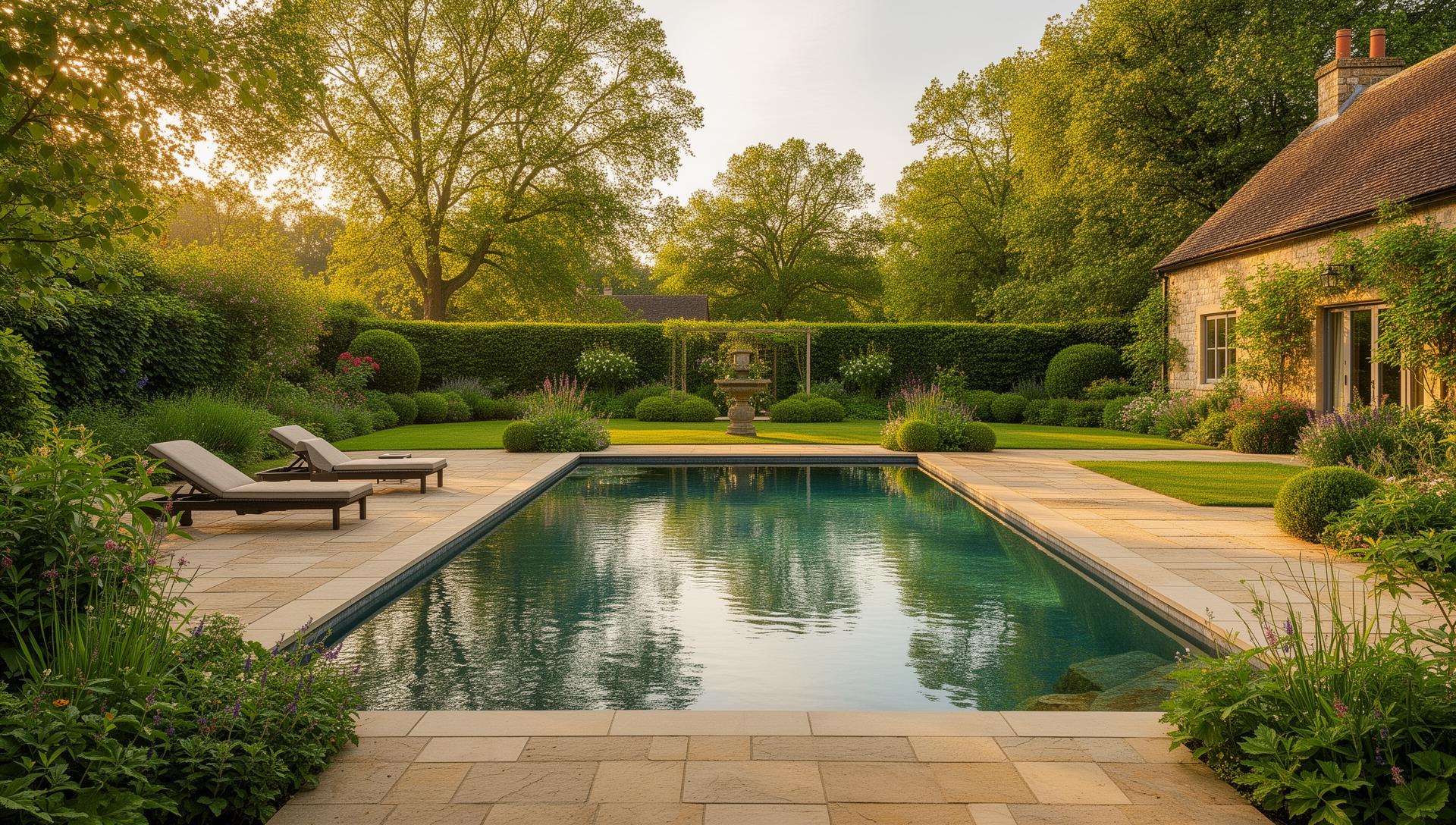
Natural Swimming Pool Cost UK: Complete 2026 Guide
Discover the true cost of a natural swimming pool in the UK. From swimming pond cost factors to installation, we break down every expense for your project.
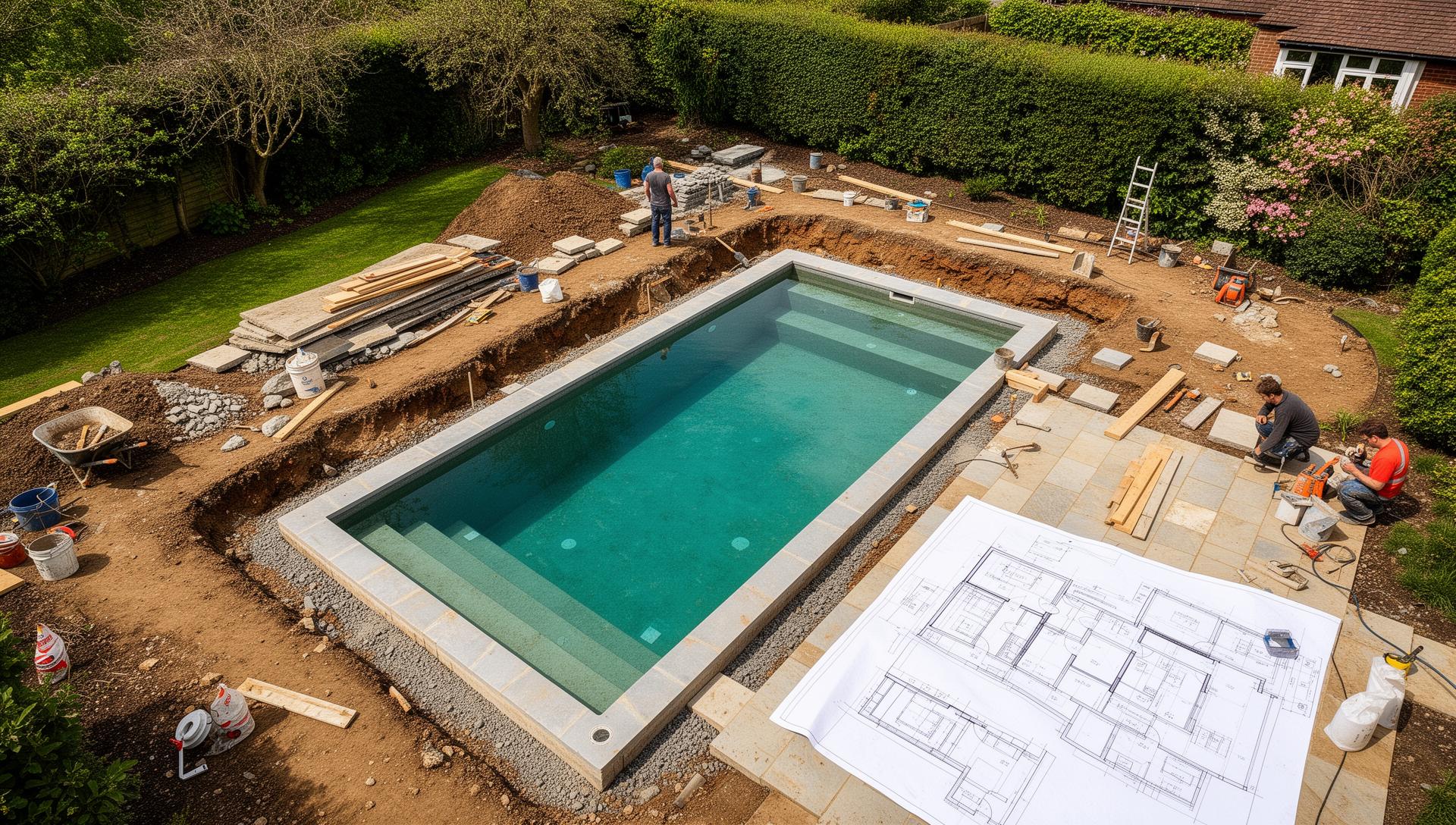
Natural Swimming Pool Planning Permission UK: Complete Guide
Navigate UK planning regulations for natural swimming pools and swimming ponds. Learn when permission is required and how to ensure smooth approval.
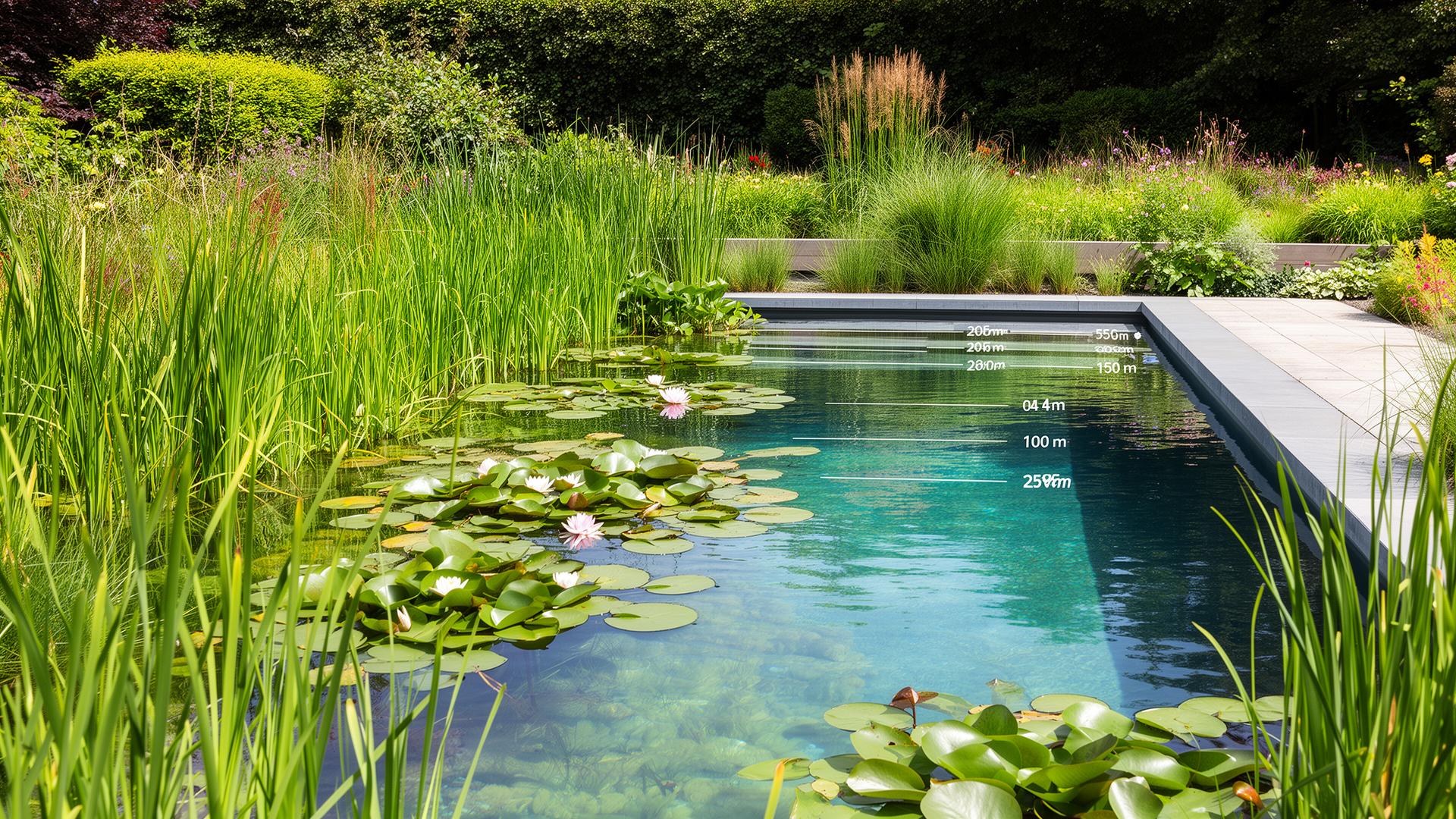
How Big Should Your Natural Pool Regeneration Zone Be? UK Guide
Calculate the perfect regeneration zone size for your natural swimming pool. Learn the ratios, factors, and UK-specific considerations for optimal water quality.