Cloudy Water in Natural Pool: Causes, Fixes and Prevention
Troubleshoot cloudy or murky water in your natural swimming pool. Identify the cause, apply the right fix, and prevent future water clarity issues.

Jon Edwards
Founder & Lead Designer
- Cloudiness often comes from algae, disturbed sediments, or nutrient spikes.
- Fixes include improving filtration, testing water, and adjusting planting.
- Preventative maintenance keeps clarity stable.
Understanding Cloudy Water
Cloudy water in a natural swimming pool can be concerning, but it's rarely a serious problem. Understanding the cause helps you apply the right solution—and sometimes, no action is needed at all. If you're planning a new pool, use our garden suitability checker to ensure your site conditions support clear water from the start.
Why Water Clarity Matters (But Isn't Everything)
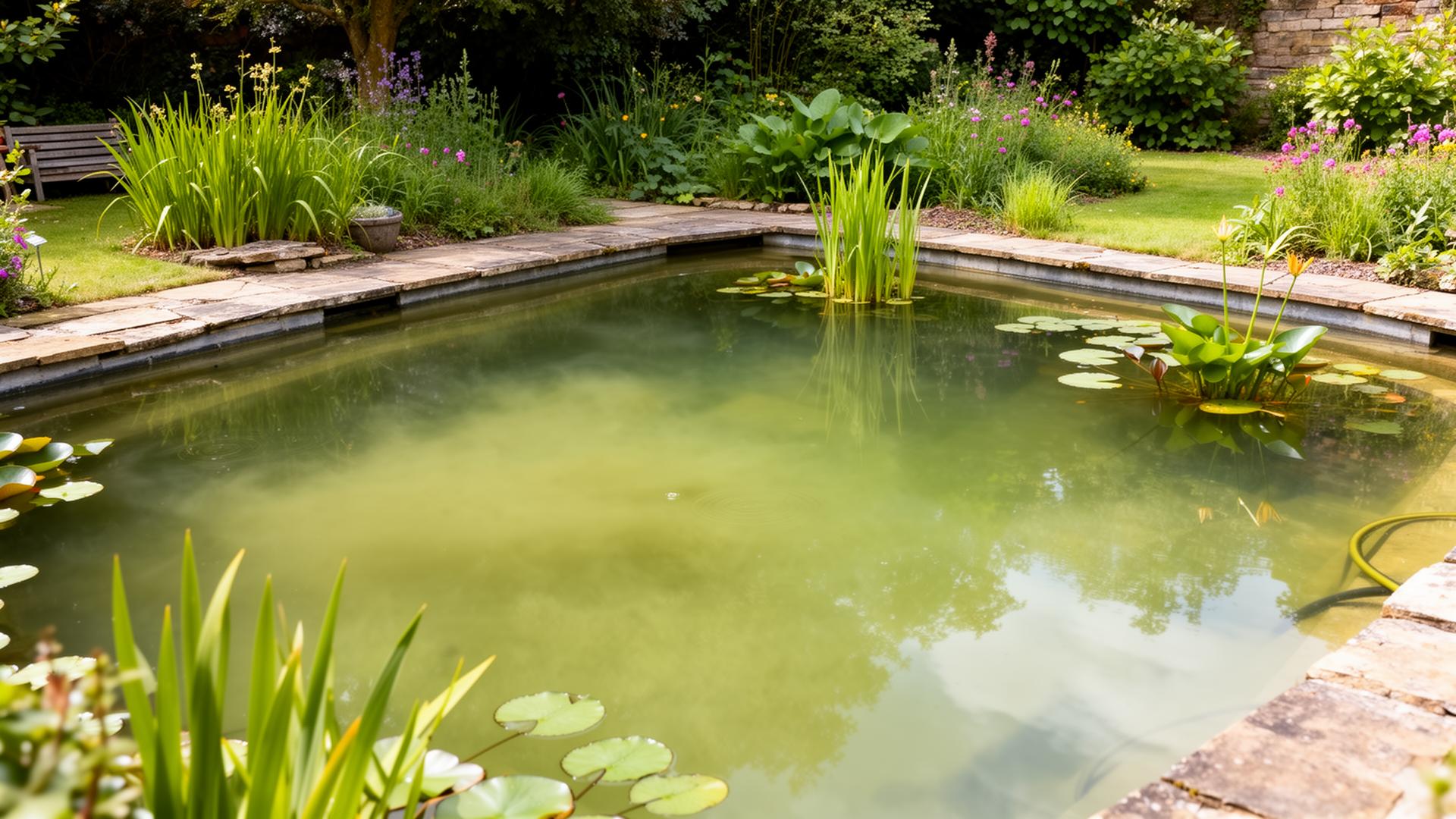
Clear water is beautiful and reassuring, but natural pools aren't meant to look like chlorinated swimming pools. A slight green tinge or soft cloudiness can be perfectly normal, especially in:
- New pools during their first season
- Early spring as plants wake up
- After heavy rain
- During very hot weather
Understanding how natural pools stay clean helps you distinguish normal variations from problems requiring action.
Quick Diagnosis Guide
| Symptom | Likely Cause | Urgency |
|---|---|---|
| Green tint, can see bottom | Normal algae, healthy pool | None |
| Milky cloudiness, new pool | Maturation phase | Low |
| Green pea soup, can't see bottom | Algae bloom | Medium |
| Brown/murky after disturbance | Sediment | Low |
| Persistent cloudiness, mature pool | System issue | Medium |
| Sudden change with odour | Possible contamination | High |
Common Causes and Solutions
1. New Pool Syndrome
Symptoms: Cloudiness in the first 1-8 weeks after filling
Why It Happens: Your pool is establishing its ecosystem. Beneficial bacteria haven't fully colonised surfaces yet, and plants are still developing root systems.
Solution: Patience. This is completely normal.
What to Do:
- Keep pumps running 24/7
- Don't add chemicals (they'll disrupt establishment)
- Monitor but don't interfere
- Light swimming is fine after week 4
Timeline: Expect clearing within 4-8 weeks. Some pools take longer, especially those filled with mains water.
2. Insufficient Regeneration Zone
Symptoms: Persistent cloudiness despite mature plants
Why It Happens: The regeneration zone is too small to filter the water volume effectively.
Solution: Increase biological filtration capacity.
What to Do:
- Confirm regeneration zone is 30-50% of total area
- Add more oxygenating plants
- Consider a secondary filter (gravel bed, bog filter)
- Increase circulation rate
- Use regular water testing to monitor progress
Prevention: Proper sizing during design prevents this issue entirely.
3. Excess Nutrients
Symptoms: Green water, algae growth on surfaces, blanket weed
Why It Happens: Too many nutrients (nitrogen, phosphorus) are entering the pool. Phosphate is the limiting nutrient for algae growth.
Sources:
- Fertiliser runoff from lawn/garden
- Leaf debris
- Bird droppings
- Mains water top-ups
- Sunscreen and body products
Solution: Reduce nutrient input and increase removal.
What to Do:
- Install a 2-3m unfertilised buffer zone around pool
- Use leaf netting in autumn
- Rinse before swimming (removes sunscreen/products)
- Top up with rainwater when possible
- Remove any blanket weed by hand
- Add more hungry plants: iris, typha, juncus
4. Low Water Circulation
Symptoms: Cloudiness concentrated in certain areas, stagnant patches
Why It Happens: Water isn't moving through the regeneration zone effectively.
Solution: Improve circulation.
What to Do:
- Check pump is operating correctly
- Clean any blocked inlets/outlets
- Verify flow rate (aim for 1-2 full cycles per 24 hours)
- Consider additional circulation points for large pools
- Remove any plant overgrowth blocking flow
5. Algae Bloom
Symptoms: Sudden green water, surface scum, can't see bottom
Why It Happens: A combination of warm weather, excess nutrients, and insufficient competition from plants.
Solution: Address underlying causes while managing symptoms.
What to Do:
- DON'T: Add algaecides, copper, or chemicals
- DO: Increase circulation (run pump continuously)
- DO: Remove as much algae manually as possible
- DO: Add more oxygenating plants
- DO: Shade the water temporarily (floating plants help)
- DO: Test phosphate levels and address source
Timeline: Blooms typically resolve in 2-4 weeks with proper management.
6. Sediment Disturbance
Symptoms: Brown/murky water after swimming, cleaning, or heavy rain
Why It Happens: Fine particles from the bottom are stirred up.
Solution: Usually self-correcting.
What to Do:
- Wait 24-48 hours for settling
- Avoid disturbing bottom when swimming
- Consider adding gravel to bare liner areas
- Install a bottom drain if recurrent
Seasonal Considerations
Spring
Water may be cloudy as the ecosystem wakes up. This is normal—plants are starting to grow and bacteria are becoming active again after winter dormancy.
Summer
Peak algae risk. Regular maintenance prevents issues. Hot, sunny weather promotes algae growth.
Autumn
Falling leaves add nutrients. Use netting and remove debris promptly.
Winter
Water often clears beautifully in cold months. Low temperatures suppress algae and sediment settles.
What NOT to Do
Never Add Chemicals
Tempting as it might be, adding chemicals will:
- Kill beneficial bacteria essential for filtration
- Harm aquatic plants
- Disrupt the nitrogen cycle
- Create long-term balance problems
- Potentially harm wildlife
Don't Drain and Refill
This rarely solves the problem and:
- Destroys established bacteria
- Stresses plants
- Wastes water
- Resets maturation clock
Don't Panic
Most cloudiness issues resolve naturally. Give solutions 2-4 weeks to work before trying something else.
When to Call a Professional
Seek expert help if:
- Cloudiness persists beyond 12 weeks in a new pool
- Water has an unusual odour
- Fish or wildlife are dying (shouldn't have fish, but wildlife visits)
- You've tried solutions for 6+ weeks without improvement
- You're unsure what's causing the issue
Prevention Strategies
Design Phase
- Size regeneration zone correctly (minimum 30%)
- Plan for adequate circulation
- Consider prevailing wind direction (moves debris)
- Include plant diversity
Ongoing
- Weekly skimming (15 minutes)
- Seasonal plant maintenance
- Prompt leaf removal
- Annual professional check
Long-term
- Add plants gradually over years
- Maintain equipment regularly
- Document what works for your pool
Water Testing
While not as critical as chlorinated pools, occasional testing helps:
| Test | Frequency | Target |
|---|---|---|
| pH | Monthly | 6.5-8.5 |
| Phosphate | Quarterly | Below 0.1 mg/L |
| Nitrate | Quarterly | Below 25 mg/L |
Test more frequently if experiencing issues.
Summary: Troubleshooting Flowchart
1. Is the pool less than 3 months old? → Probably maturation, wait and observe
2. Did something change recently? → Address the change (storm, disturbance, etc.)
3. Is regeneration zone adequate? → If under 30%, consider expansion
4. Are nutrient sources present? → Reduce inputs (fertiliser, debris)
5. Is circulation working? → Check pump, clean blockages
6. Is it seasonal? → Natural variation, often self-correcting
Most cloudiness resolves with patience and minor adjustments. Your natural pool is a living ecosystem—give it time to find its balance.
Ready to start your natural pool journey? Use our free AI visualisation tool to see how one would look in your garden.
Frequently Asked Questions
Is cloudy water in a natural pool normal?
Some cloudiness is normal, especially in new pools (first 4-8 weeks), during spring awakening, after heavy rain, or in very hot weather. A slight green tinge is often healthy. Concern is warranted only with persistent cloudiness, inability to see the bottom, or unusual odours.
How long does it take for a new natural pool to clear?
New natural pools typically take 4-8 weeks to achieve consistent clarity. Pools filled with mains water may take longer due to chlorine and phosphates. The ecosystem needs time to establish beneficial bacteria and for plants to begin filtering effectively.
Will adding more plants fix cloudy water?
Often yes. Plants compete with algae for nutrients and provide biological filtration. However, if cloudiness persists, check other factors: circulation rates, nutrient sources (fertiliser, debris), and regeneration zone size. Plants alone can't compensate for fundamental design issues.
Should I ever use chemicals in a natural pool?
No. Chemicals destroy the beneficial bacteria and plants that keep your pool clean naturally. Even 'natural' algaecides can disrupt the ecosystem. The solution to natural pool problems is always biological—more plants, better circulation, reduced nutrient input, or time.
Try Our Free AI Design Tool
Upload a photo of your garden and receive a personalised AI render showing how a natural pool could look in your space. Free and instant.
Related Articles
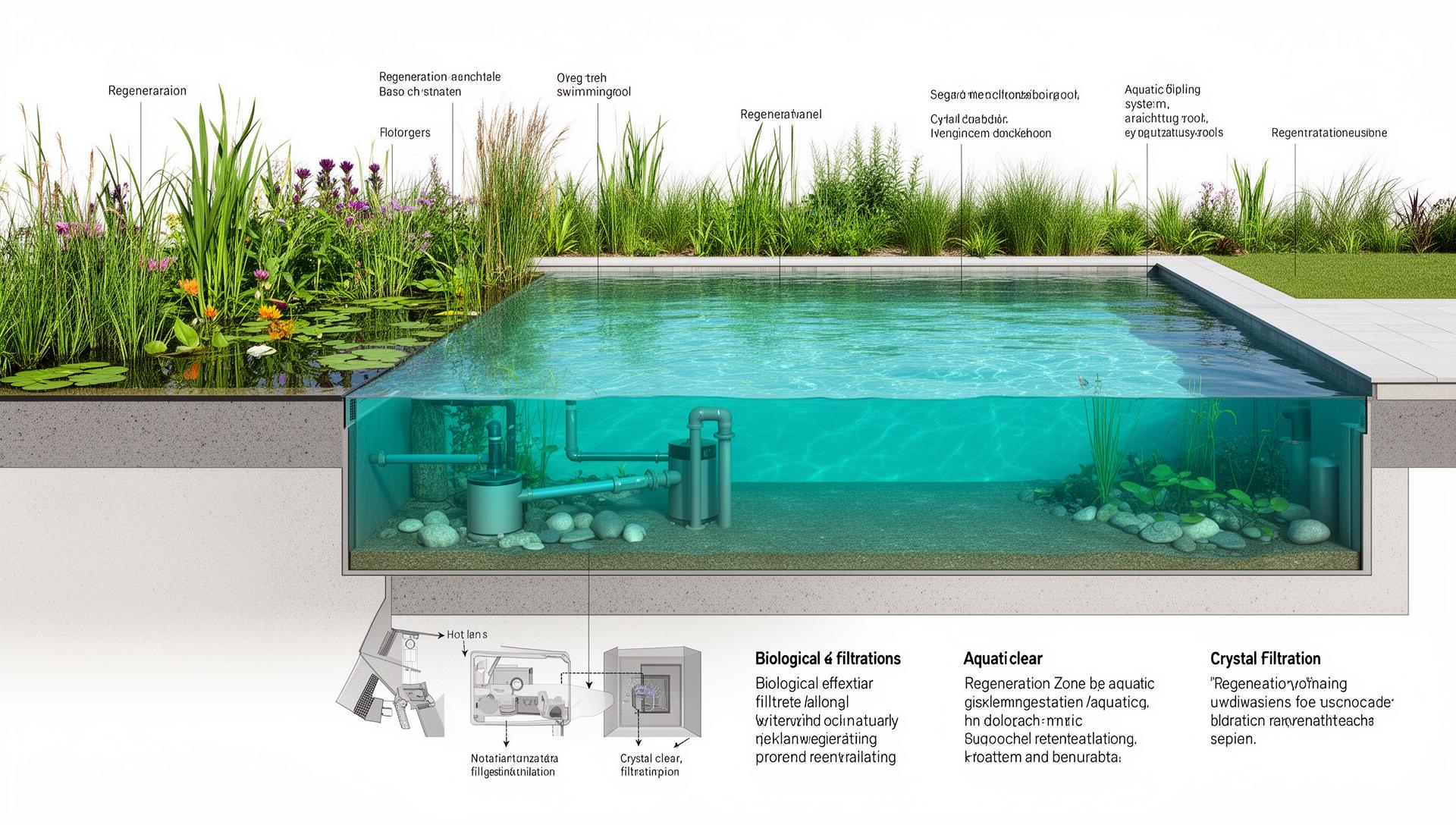
How Natural Swimming Pools Stay Clean Without Chemicals
Learn the science behind natural swimming pools and swimming ponds. Discover how aquatic plants and beneficial bacteria keep your water crystal clear—no chlorine needed.
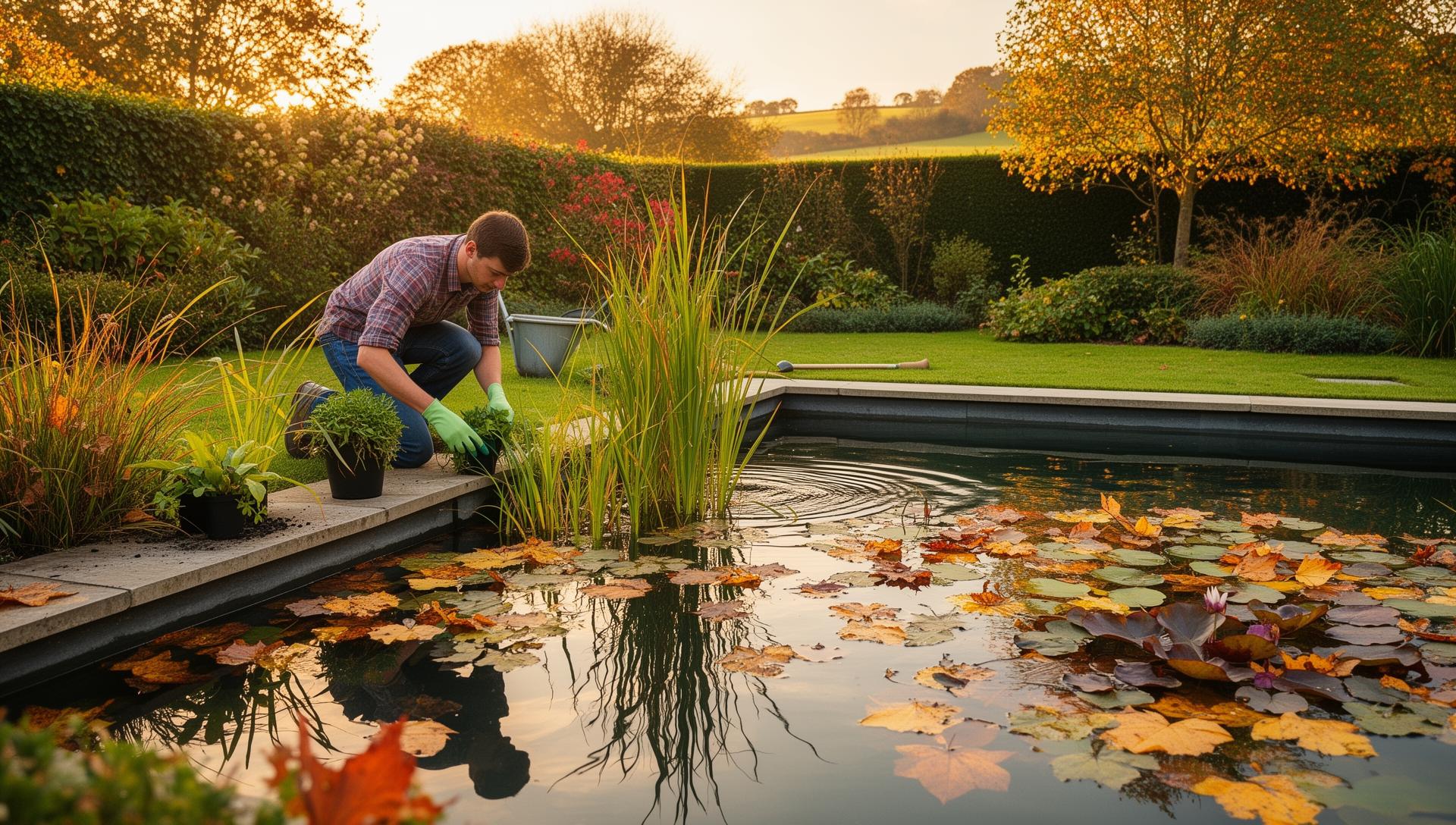
Natural Swimming Pool Maintenance: Complete UK Year-Round Guide
Everything you need to know about maintaining a natural swimming pool or swimming pond through all four UK seasons. Simple tasks for lasting beauty.
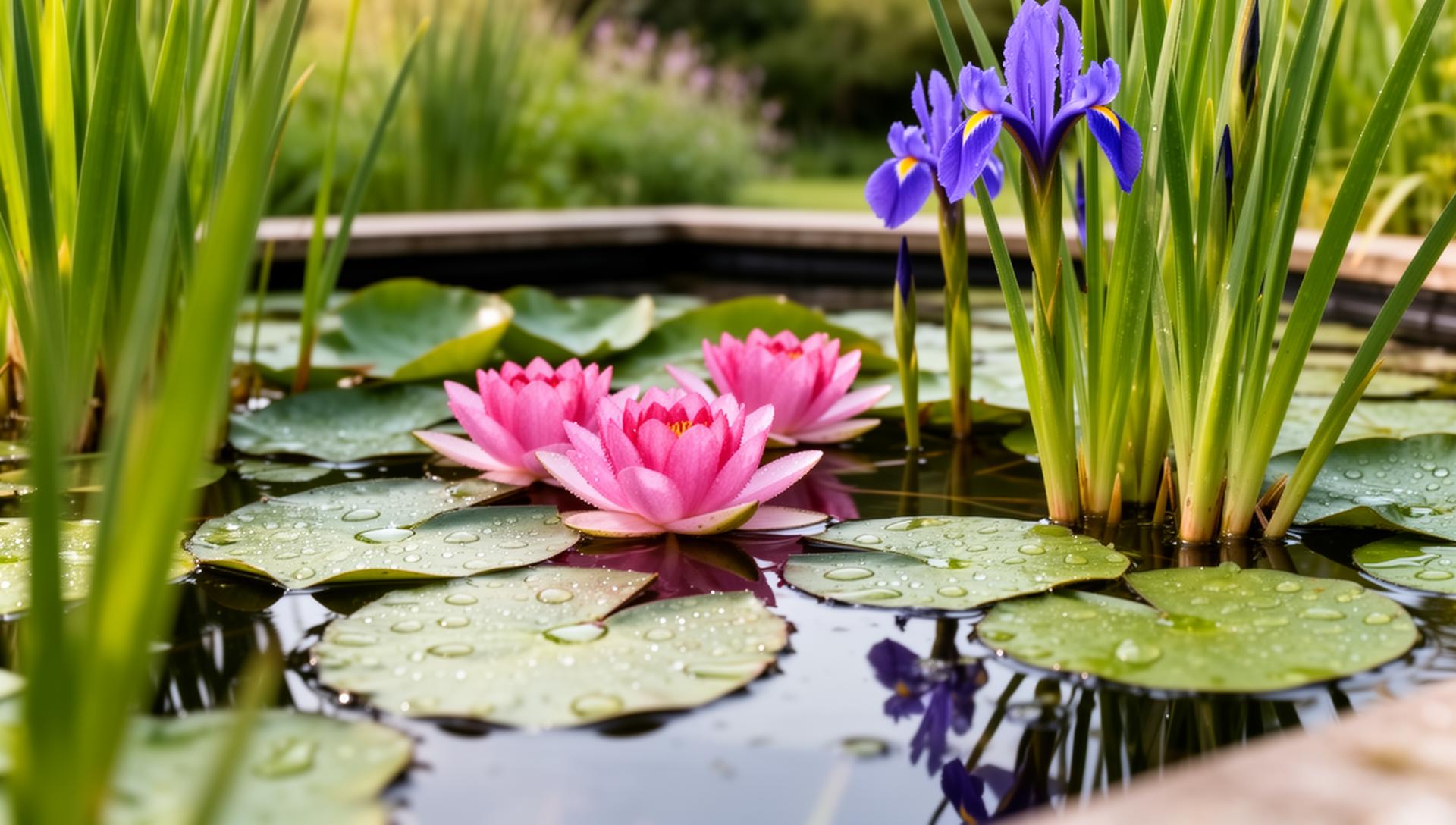
Best Plants for Natural Swimming Pools and Swimming Ponds UK
Discover the essential plants that keep natural swimming pools and swimming ponds clean and beautiful. Our complete guide to UK-native species for every pool zone.